Albania Expands Defense Spending with Focus on Personnel and Infrastructure
Albania is increasing defense investment with a focus on military personnel, infrastructure, and modernization. The government plans a significant rise in armed forces salaries alongside long-term capability development aligned with NATO requirements.

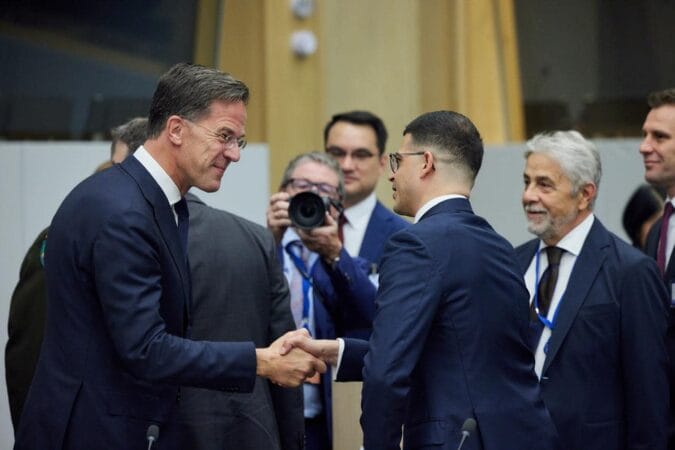
Albania is advancing a new phase of defense investment aimed at improving military readiness, personnel retention, and infrastructure, according to statements by the country’s defense minister. The measures form part of a broader effort to align national capabilities with NATO standards while responding to regional and alliance security requirements.
A central element of the initiative is a substantial increase in salaries for members of the Albanian Armed Forces. The ministry indicated that pay levels could rise by up to 70 percent, with implementation expected to be phased and linked to rank and role. The salary adjustment is intended to address recruitment challenges and improve long-term retention across the force.
Beyond personnel costs, the defense investment plan places emphasis on modernizing military infrastructure and upgrading equipment. Authorities have highlighted the need to improve bases, logistics facilities, and training areas to support both national forces and allied deployments. Albania continues to host and support NATO activities, making infrastructure development a strategic priority.
The defense minister stated that the funding increase is designed to be sustainable over the long term, rather than a one-off adjustment. Officials indicated that resources will be directed toward capabilities considered critical for alliance interoperability, including command and control, mobility, and support functions.
Albania has steadily raised defense spending in recent years and remains committed to meeting NATO benchmarks. The latest announcements signal a shift toward balancing equipment modernization with investment in human capital, reflecting broader trends across smaller NATO member states facing competition for skilled military personnel.