Czech Defense Ministry Approves €213 Million Modernization of Čáslav Air Base
The Czech Ministry of Defense has approved a €213 million investment to modernize Čáslav Air Base, the country’s primary fighter operating location. The project targets infrastructure upgrades essential for national air defense and NATO missions.

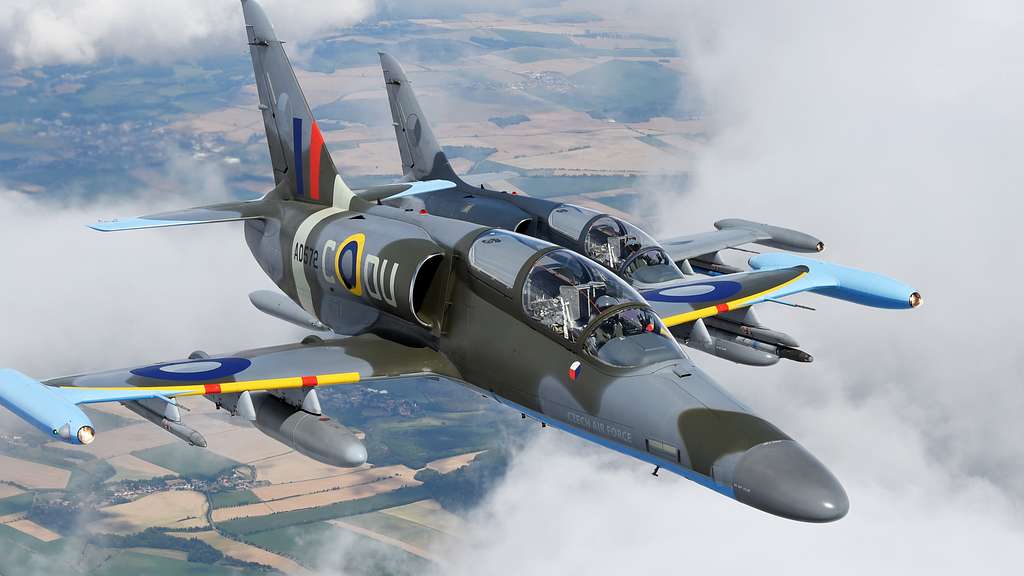
The Czech Ministry of Defense has approved funding of approximately €213 million for a comprehensive infrastructure modernization program at Čáslav Air Base. The air base serves as the main operating location for the Czech Air Force’s tactical fighter units and plays a central role in national airspace protection and NATO commitments.
According to the ministry, the investment will be directed toward renewing key air base infrastructure, including operational facilities and technical support areas. While specific construction phases and contractors have not yet been detailed, the modernization is intended to address aging infrastructure and ensure long-term operational viability.
Čáslav Air Base supports continuous air policing tasks and regularly contributes to NATO missions, including quick reaction alert duties and allied air policing operations. Defense officials indicated that sustaining the base’s readiness is critical for meeting alliance requirements and maintaining uninterrupted fighter operations.
The infrastructure program is also aligned with the Czech Republic’s longer-term air force modernization plans. The ministry has previously stated that upgraded air base facilities are required to support future aircraft and systems, including the planned introduction of next-generation combat aircraft. In this context, the Čáslav project is seen as a necessary enabling step rather than a standalone upgrade.
From a defense-industrial perspective, the modernization represents one of the most significant recent investments in Czech military infrastructure. It highlights Prague’s focus on strengthening enabling capabilities alongside major platform procurement, ensuring that basing and support infrastructure remains compatible with evolving NATO standards.