EU Council Tightens Conditions for Ukraine Arms Purchases Using EU Funds
EU member states have revised the rules governing how Ukraine can use EU-backed funds to procure military equipment. The updated criteria narrow eligibility and introduce clearer prioritization for certain capability areas.

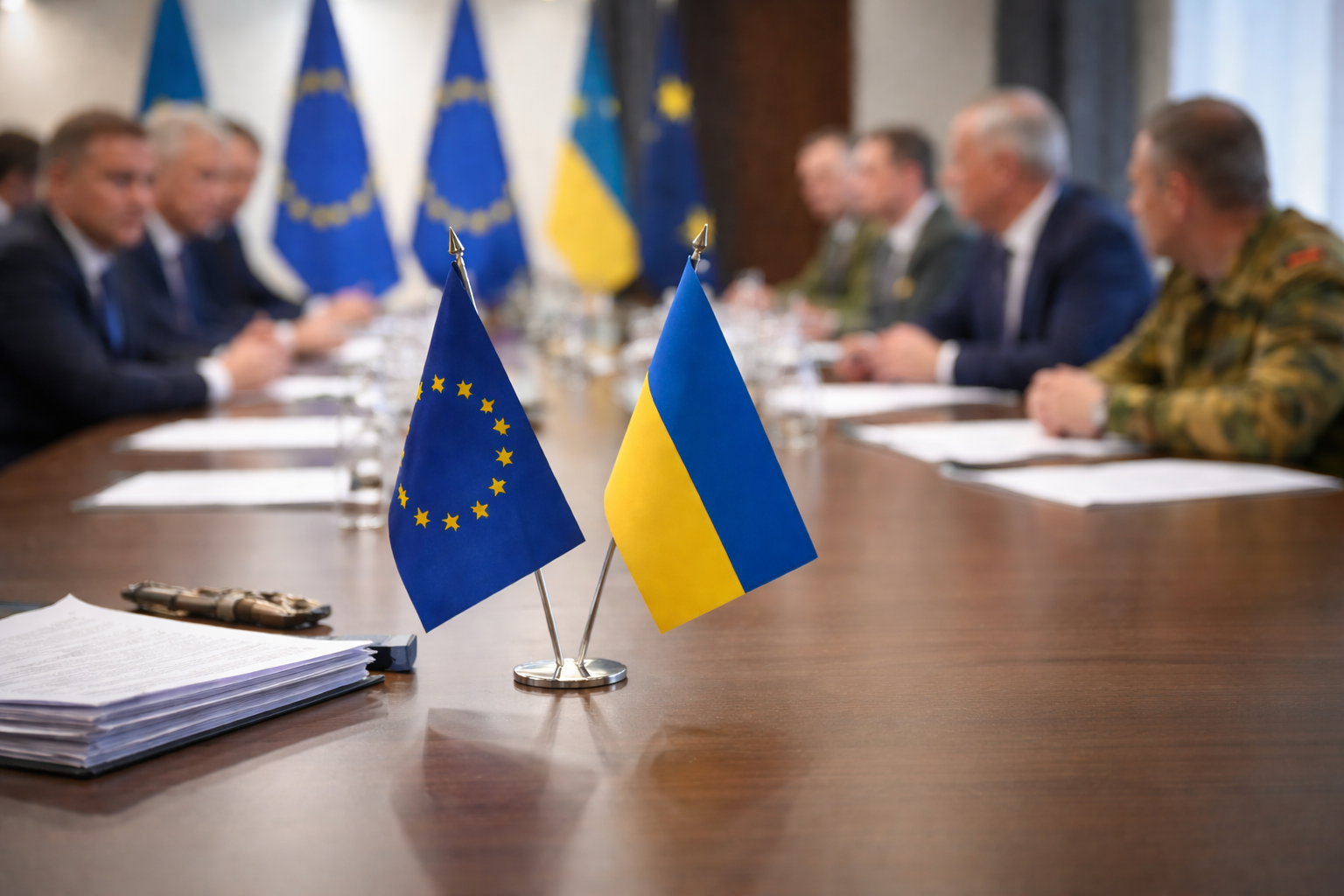
The Council of the European Union has adjusted the eligibility criteria that determine how Ukraine may spend EU-funded financial support on military equipment, according to information published by Euractiv. The revisions are reflected in a recent Council draft and apply to a loan-based support instrument agreed by member states last year.
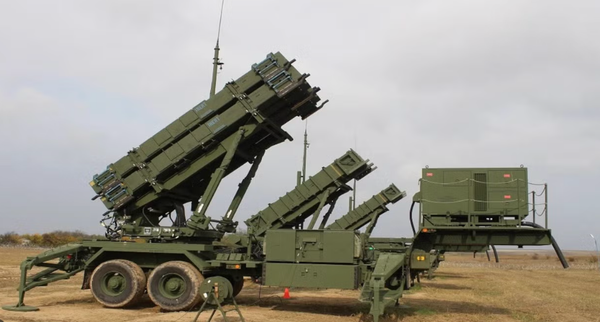
Under the updated framework, Ukraine’s use of EU-backed funds for arms procurement is more narrowly defined. The revised text places stronger emphasis on specific capability categories that member states consider operationally urgent, including air defense systems, ammunition, and other equipment directly linked to battlefield sustainability. The intent, according to officials familiar with the process, is to ensure that EU financing is aligned with both Ukraine’s immediate military needs and broader EU security priorities.
At the same time, the new criteria introduce tighter scrutiny for certain types of high-end military systems. Large-scale platforms and more complex capabilities are subject to additional assessment before being deemed eligible for financing, reflecting differing views among member states on how flexible the scheme should be.
The revisions also intersect with an ongoing debate inside the Council over industrial policy considerations. Several governments have argued that EU funds should, where possible, support European defense manufacturers, while others have maintained that Ukraine should retain the ability to procure equipment from non-EU suppliers if European alternatives are unavailable or unsuitable. The revised language appears to leave room for case-by-case decisions rather than establishing an absolute preference.
The updated criteria are expected to be incorporated into the implementing rules of the broader EU financial support package for Ukraine, which is still moving through the EU legislative process. Once finalized, the framework will shape not only Ukraine’s procurement planning but also the extent to which European defense companies benefit from EU-backed military spending linked to the war.