Hensoldt Lands €100M+ Radar Deal to Power European Sky Shield Initiative
The TRML-4D radar, a cornerstone of the continent's integrated air defence, can track 1,500 targets like drones and cruise missiles from 250 kilometres away, merging advanced hardware with game-changing software.

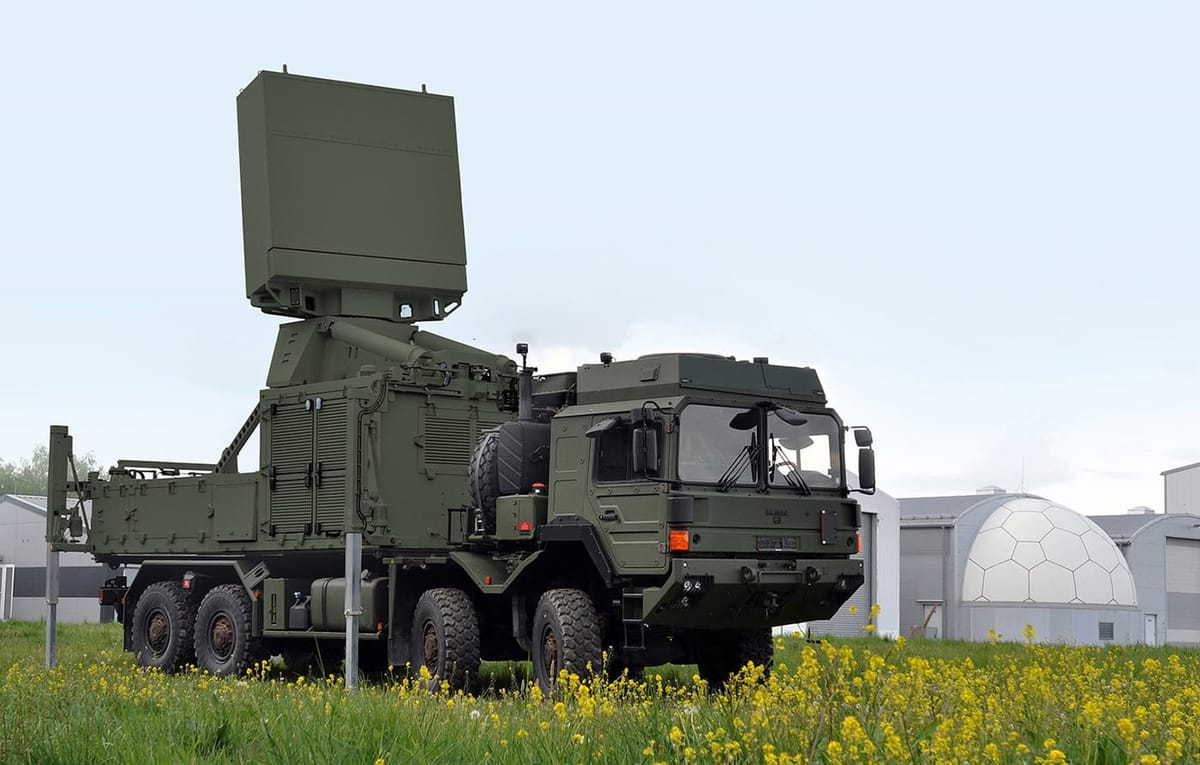
BERLIN — The German sensor technology company Hensoldt has secured orders worth more than €100 million to supply advanced radar systems for a pan-European air defense network, officials announced Tuesday, in one of the largest contracts yet under the continent’s collective push to counter growing missile and drone threats.
The deal, struck with defense contractor Diehl Defence, will provide additional TRML-4D high-performance radars to be integrated into missile defense systems across several European countries participating in the European Sky Shield Initiative. The initiative, launched in 2022 in response to Russia’s war in Ukraine, aims to create a unified, interoperable air defense architecture across the continent.
“There is enormous pent-up demand in European air defense, and the threats posed by air attacks are more complex and varied than they were a few years ago,” said Markus Rothmaier, who heads naval and ground radar development at Hensoldt. He emphasized that digital technologies and “software-defined defense” are enabling faster modernization and integration of existing systems.
The TRML-4D radar, based on active electronically scanned array technology, can detect and track approximately 1,500 targets at ranges up to 250 kilometers, including cruise missiles, drones, rockets and aircraft. The system has seen operational use in Ukraine, where its performance has been closely watched by Western military planners.
The contract signals accelerating investment in European defense capabilities after decades of underfunding and fragmentation. Under the Sky Shield Initiative, Hensoldt now holds contracts for more than 150 radars of various types, creating what analysts describe as the skeleton of a continent-wide early warning network.
European nations have been scrambling to close what military officials call critical gaps in air and missile defense since the full-scale invasion of Ukraine revealed vulnerabilities to modern aerial warfare. The Sky Shield Initiative, initially joined by 15 countries and now numbering 21 participants, represents the most ambitious attempt to create a shared defense infrastructure since the Cold War.
The radars will be incorporated into Diehl’s IRIS-T SLM air defense systems, which are already deployed in several NATO countries. The deal includes maintenance and training packages, reflecting long-term commitments to the integrated defense framework.
Defense analysts note that while the contract is a significant step, the broader initiative faces challenges, including coordinating among two dozen national governments, standardizing military equipment and maintaining sustained funding. However, the substantial order suggests political will is translating into industrial action.
“This isn’t just another defense contract,” said Claudia Major, a security policy expert at the German Institute for International and Security Affairs. “It’s a concrete piece of the European defense puzzle finally falling into place. The real test will be whether these systems can operate seamlessly across national borders when needed.”
The announcement comes amid heightened concerns about European security, with ongoing conflicts highlighting the need for robust, layered air defenses capable of confronting diverse threats from hypersonic missiles to swarms of inexpensive drones.