
Latvia to Acquire Naval Strike Missiles to Strengthen Coastal Defense
Latvia plans to procure Naval Strike Missile systems to enhance its coastal defense and maritime strike capabilities. The acquisition is intended to strengthen deterrence and improve interoperability with NATO forces in the Baltic region.

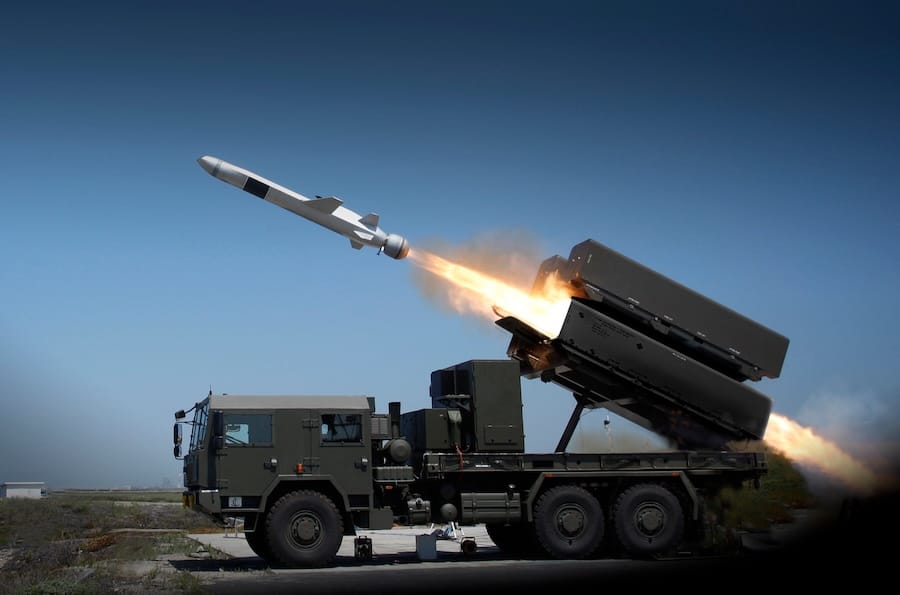
Latvia is moving forward with plans to acquire the Naval Strike Missile (NSM) system as part of broader efforts to strengthen its coastal defense capabilities and reinforce NATO’s northern flank.
The Latvian Ministry of Defense indicated that the procurement will provide the country with a modern coastal anti-ship capability designed to protect national waters and critical maritime approaches in the Baltic Sea. The system is expected to enhance Latvia’s ability to deter and respond to potential maritime threats while supporting allied operations in the region.
The NSM is developed by the Norwegian defense company Kongsberg Defence & Aerospace and is widely used by NATO allies as a long-range precision strike system designed to engage naval targets. The missile employs advanced guidance and low-observable design features intended to improve survivability and effectiveness against modern air defense systems.
According to defense officials, integrating the system into Latvia’s armed forces will improve interoperability with allied units already operating similar capabilities across NATO. Several alliance members, including Poland and the United States, have fielded variants of the missile within their naval or coastal defense forces.
The planned acquisition forms part of Latvia’s broader defense modernization program aimed at strengthening national and regional security following the deterioration of the security environment in Eastern Europe. Latvian authorities have emphasized the importance of enhancing coastal defense as the Baltic Sea remains a strategically significant operational environment for NATO.
Officials indicated that the missile system will allow Latvia to hold hostile naval assets at risk at extended ranges while improving situational awareness and operational flexibility along its coastline.
The move aligns with wider efforts among Baltic states and NATO allies to expand maritime denial capabilities and reinforce deterrence along the alliance’s eastern flank.