Lithuania’s Giraitė Armament Plant Reaches Full Production Autonomy
Lithuania’s state-owned Giraitė Armament Plant has achieved full production autonomy, eliminating reliance on external suppliers for key manufacturing processes. The move strengthens national defense-industrial resilience and supply security.

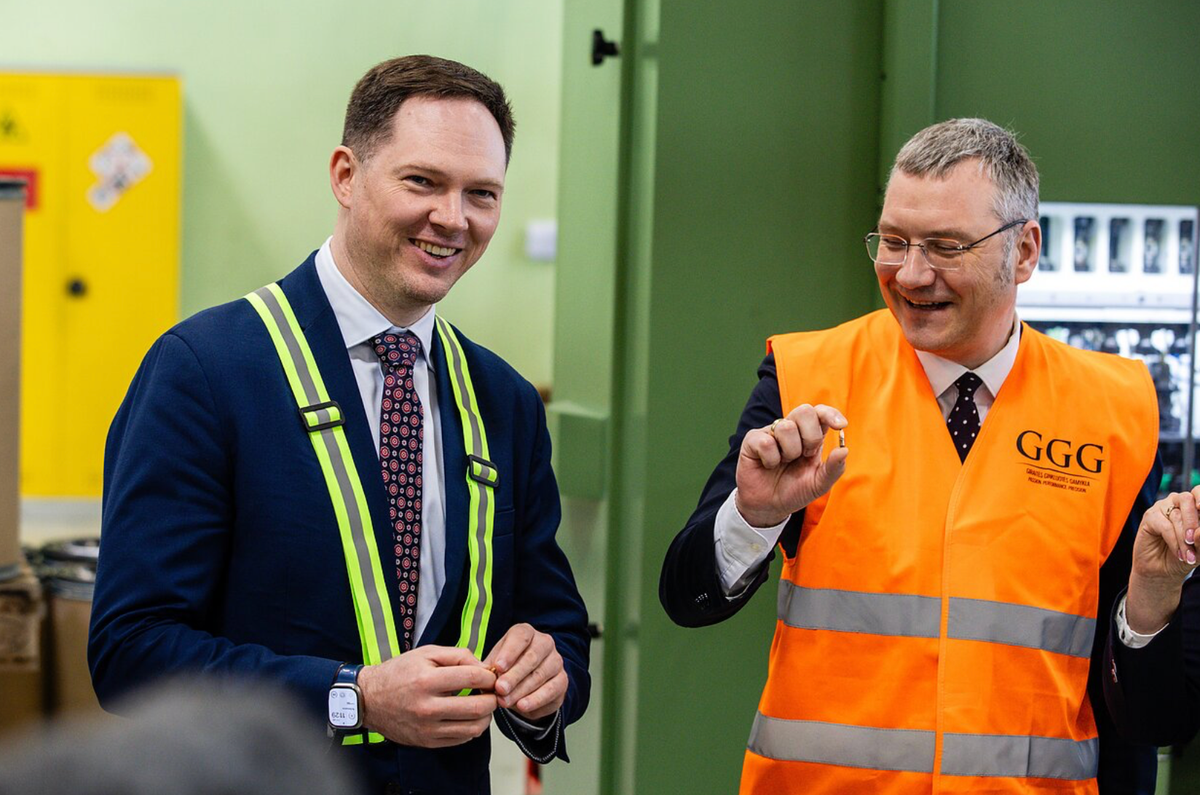
Lithuania’s Giraitė Armament Plant has completed a transition to fully autonomous production, marking a significant step in the country’s efforts to secure its defense supply chain. The facility can now carry out all critical manufacturing stages internally, reducing dependence on foreign inputs and subcontractors.
According to Lithuanian officials, the development is intended to ensure uninterrupted ammunition production under varying supply conditions. The shift comes amid sustained demand for small-caliber ammunition across NATO, driven by increased stockpile requirements and ongoing support to Ukraine.
The modernization process included investments in new equipment and the integration of previously outsourced production stages. This allows the plant to control the entire manufacturing cycle, from component processing to final assembly. Authorities indicated that the changes improve both production security and operational flexibility.
Giraitė, a state-owned enterprise, plays a central role in Lithuania’s defense-industrial base. The plant primarily produces small-arms ammunition for military and law enforcement use. By achieving production autonomy, Lithuania reduces exposure to external disruptions and strengthens its ability to meet both domestic and allied demand.
The move aligns with broader regional trends, as Central and Eastern European countries continue to expand ammunition manufacturing capacity. Governments across the region have prioritized investments in domestic production to address shortages and reduce reliance on global supply chains.
Lithuanian officials have emphasized that strengthening national industrial capabilities remains a key component of defense planning. The Giraitė upgrade is expected to contribute to long-term supply stability and support Lithuania’s commitments within NATO.