NATO General Secretary Visits Zagreb, Croatian Defence Industry Showcases Indigenous Combat Craft
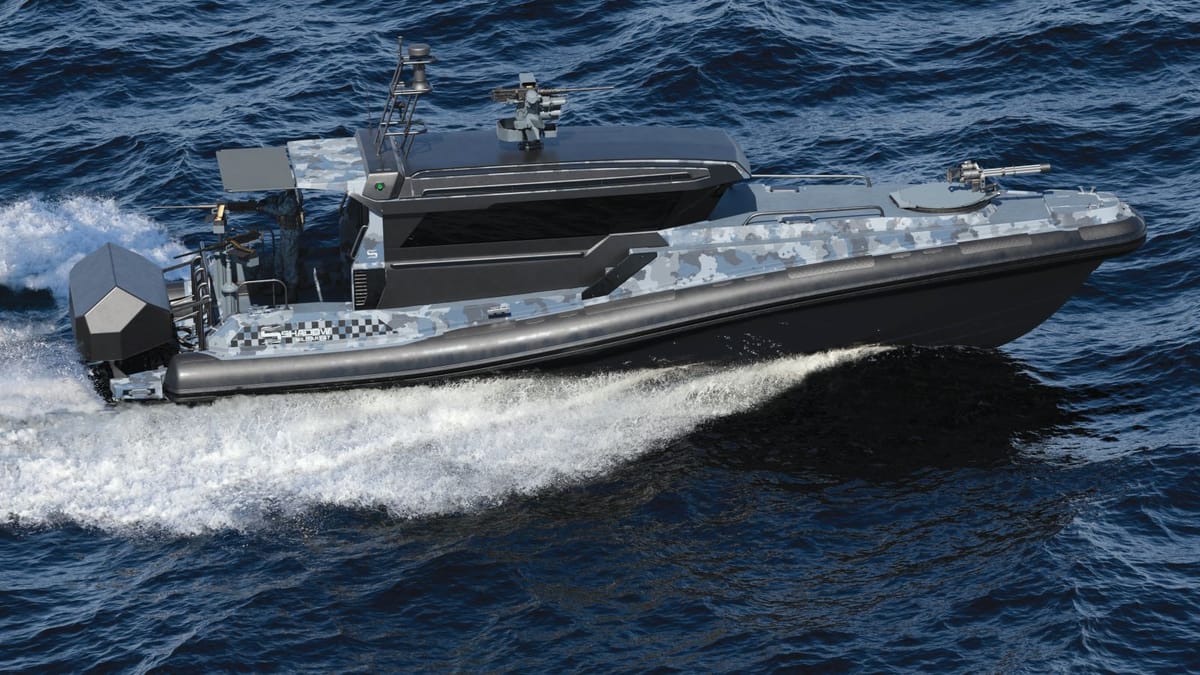
NATO Secretary General Mark Rutte is visiting Croatia on January 12 as part of an alliance tour, during which Croatian defence industry capabilities will be reviewed. A domestically built combat vessel by Shadows Nautics will be presented to Rutte and allied representatives.

ZAGREB — NATO Secretary General Mark Rutte arrived in Zagreb on January 12 for a working visit that will include engagements with Croatian political and defence leadership, and an overview of national defence industrial outputs, according to local reporting and NATO schedule announcements.
During the visit, Rutte is scheduled to meet with Prime Minister Andrej Plenkovic and other senior officials. The programme includes briefings on Croatian defence capabilities and a sector engagement where a compact, locally manufactured combat vessel will be presented as an example of Croatian industrial potential. That craft, produced by domestic company Shadows Nautics, is 14.5 metres in length and fitted with a short-range missile system with a reported range of up to 10 kilometres. It is being highlighted to NATO as a technology demonstrator and export-capable product.
The industry showcase also brings together representatives of Croatian defence manufacturers to discuss production capacities and potential integration into alliance supply chains. Croatia’s defence sector has been growing, with increasing interest in national products and participation in broader European defence initiatives.
Rutte’s visit coincides with heightened Croatian involvement in NATO and international defence support efforts, including financial contributions to the US-managed equipment fund for Ukraine. Croatia’s reported commitment to this fund totals roughly €240 million, part of a wider aid effort reaching approximately €350 million.
The Secretary General’s trip is part of a wider tour of alliance members focused on defence cooperation, readiness, and burden sharing. His engagements in Zagreb follow recent alliance-level discussions on defence spending and industrial capacity across NATO, underscoring persistent security challenges at the eastern flank and broader regional context.