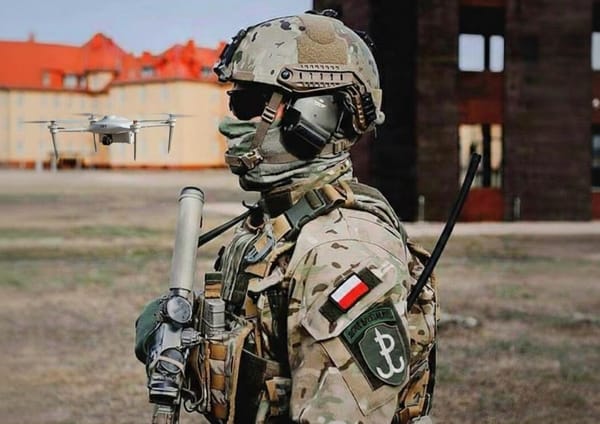
Poland’s First SAFE-Funded Defence Investment Is Underway with SAN Anti-Drone System
Poland has begun implementing its first defence project financed through the EU’s SAFE programme, launching the SAN integrated anti-drone system.

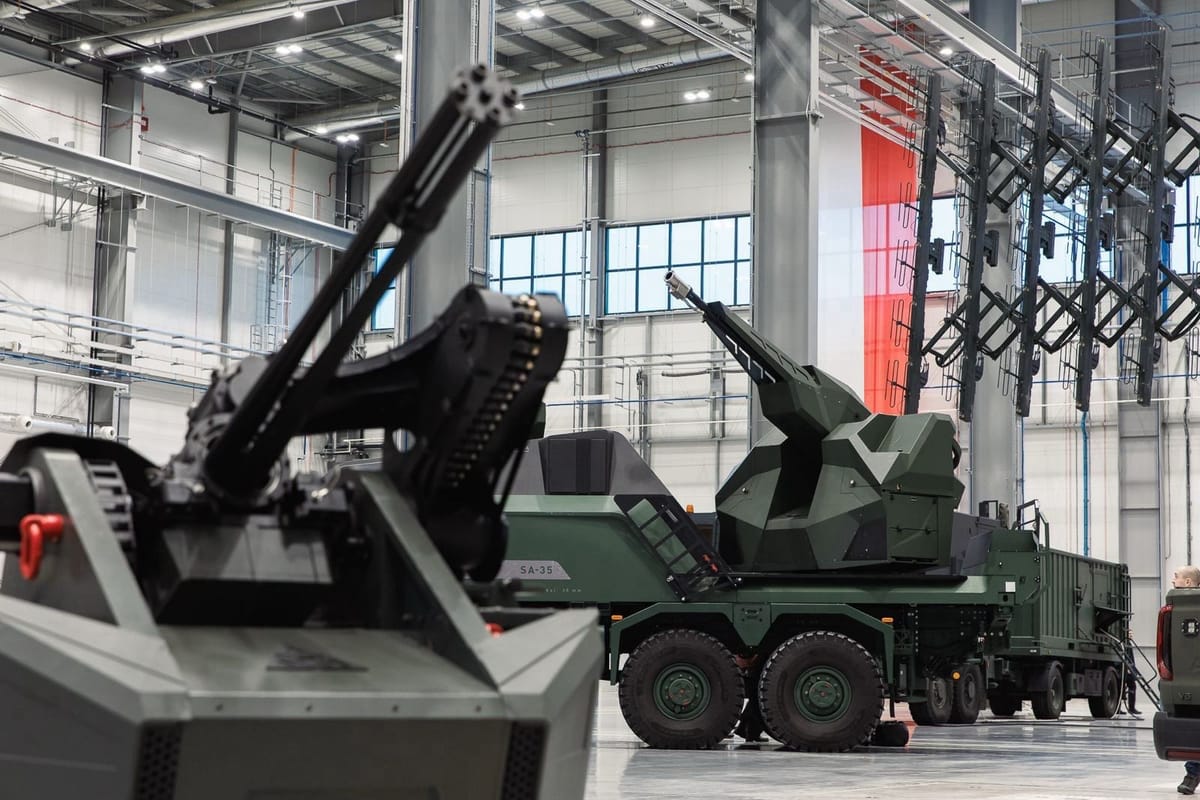
WARSAW — The first major defence acquisition funded under the European Union’s Security Action For Europe (SAFE) instrument is now in motion, with Poland signing contracts to build and field the SAN anti-drone system, officials have confirmed.
The SAN system is designed to detect, identify and neutralise airborne threats — particularly unmanned aerial vehicles — and will form a new layer in Poland’s layered air-defence architecture alongside existing and planned medium, short and very short-range systems.
In late January 2026, an agreement was formalised between the Polish Armaments Agency and a consortium led by the state-controlled Polska Grupa Zbrojeniowa (PGZ) with participation from the private firm Advanced Protection Systems and Norway’s Kongsberg Defence & Aerospace. The contract covers delivery of 18 anti-drone battery modules, 52 fire platoons, 18 command units and approximately 700 vehicles.
The total value of the SAN programme is reported at roughly PLN 15 billion (about €3.5 billion), with the majority of funding sourced from the SAFE programme — a flagship EU defence investment instrument that has earmarked significant resources for member states’ security needs and industrial capacity building.
Polish officials have highlighted that most components of the SAN system will be manufactured domestically, bolstering local defence industry capabilities and supply chains. They also emphasise the system’s cost-efficiency compared with traditional high-end air-defence solutions when countering swarms of low-cost drones.
Prime Minister Donald Tusk and Deputy Prime Minister and Defence Minister Władysław Kosiniak-Kamysz both attended the signing ceremony, framing SAN as a key element of national and NATO-relevant security architecture. SAN is being integrated into broader plans to protect Poland’s eastern flank — a priority underscored by several unauthorised UAV incursions last year.
Implementation begins immediately, with initial deliveries expected in 2026 and full system fielding slated for completion within two years. The project marks a milestone not only for Polish military capability but also for EU-level defence financing delivering tangible force enhancement.