SatVu Secures £30M Funding, Including NATO Innovation Fund, to Expand Thermal EO Satellite Constellation
UK-based SatVu has raised £30 million in a new funding round supported by the NATO Innovation Fund and other investors to accelerate deployment of its thermal earth observation satellite constellation.

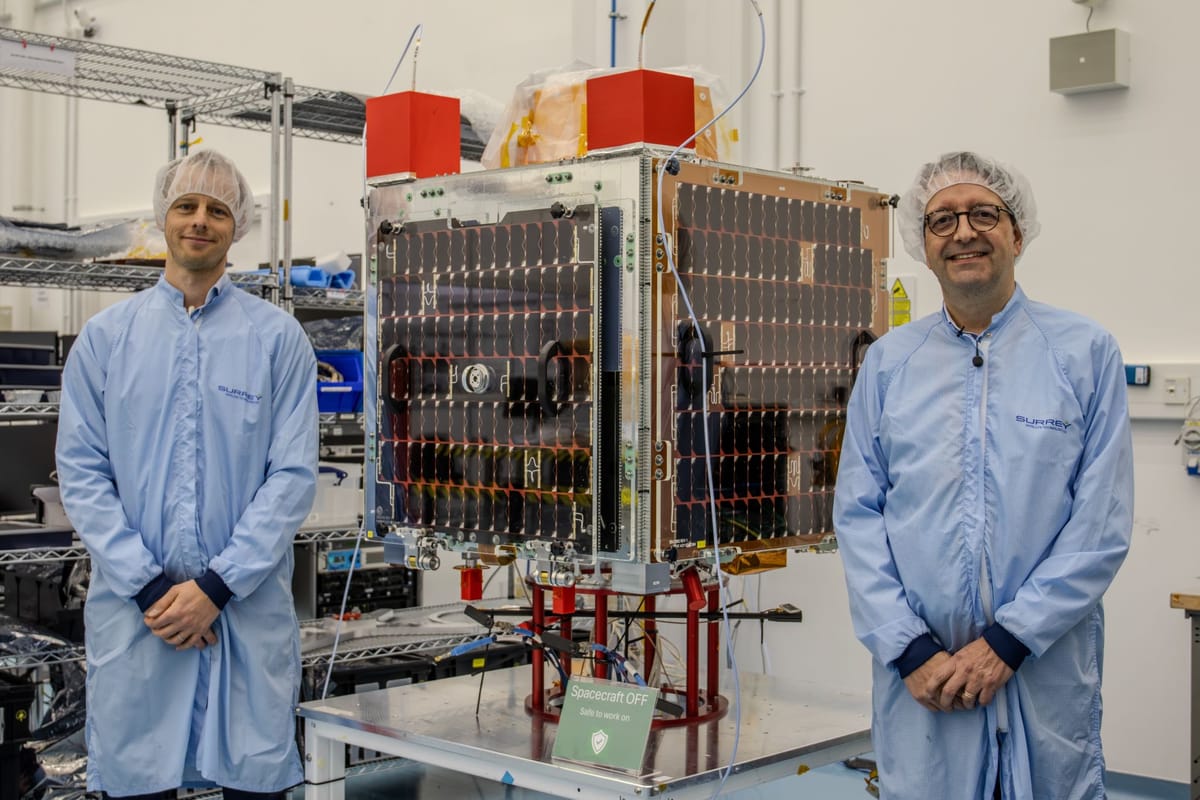
London-headquartered SatVu, a specialist in high-resolution thermal earth observation, has closed a £30 million funding round that includes participation by the NATO Innovation Fund (NIF) and several private investors. According to company disclosures, the latest capital injection will be used to scale its satellite constellation beyond initial demonstration missions and increase operational capacity for defence and government customers.
SatVu said the financing brings its total equity raised to approximately £60 million and supports plans to launch two additional satellites in 2026, with further spacecraft already contracted for future deployment. The transition from single-satellite testing toward a multi-satellite fleet is intended to improve revisit rates and enable frequent monitoring of activity, critical infrastructure, and supply chains from orbit.
The investment round combined public and private capital. Alongside the NATO Innovation Fund, backers included the British Business Bank, Space Frontiers Fund II (managed by SPARX Asset Management), and Presto Tech Horizons, with participation from existing venture investors. SatVu’s thermal sensing data is positioned for use in surveillance, operational awareness, and changes detection across contested environments, according to company statements.
UK defence and space policy support also factored into the financing. Officials cited domestic efforts to build sovereign capabilities through innovation funding, adding to prior support from a defence innovation loan that helped catalyse private investment. In parallel, competitive pressures in the commercial thermal imaging sector have intensified, with rivals in Europe and the United States advancing their own constellation programmes.