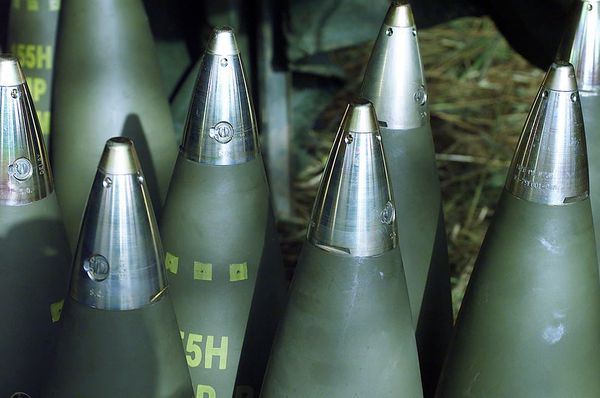
Switzerland Reviews SAMP/T as US Patriot Deliveries Face Delays
Switzerland is reassessing its air defense roadmap after delays in US Patriot missile deliveries prompted Bern to examine European alternatives. The SAMP/T system, developed by France and Italy, has emerged as a potential option.

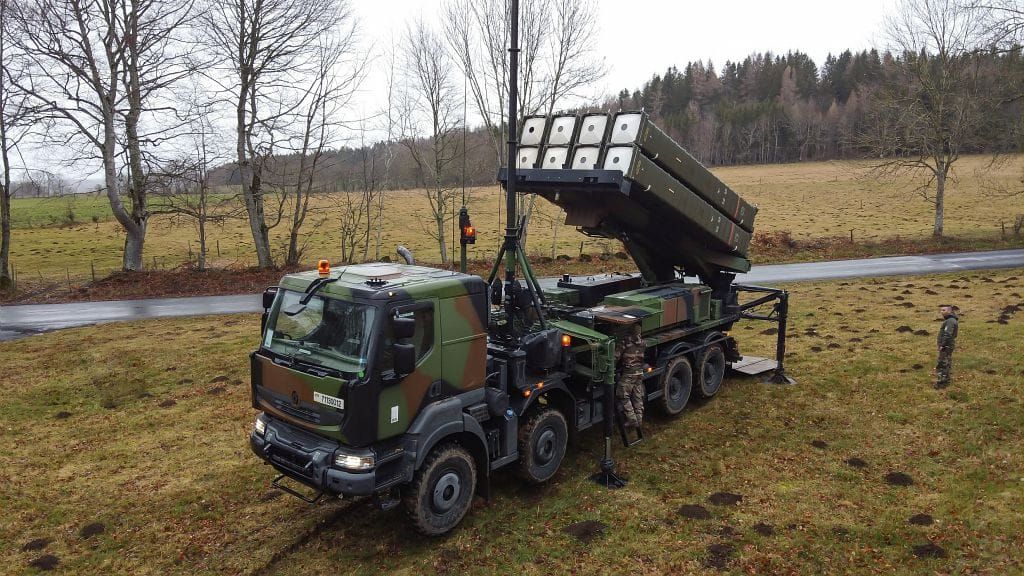
Switzerland is evaluating the European SAMP/T air and missile defense system following reported delays in deliveries of the US-made Patriot system, according to defense industry reporting and statements from Swiss officials.
Bern selected the Patriot system in 2022 as part of its Air2030 modernization program, aimed at strengthening the country’s long-range ground-based air defense capabilities. The system, produced by US manufacturer Raytheon, was expected to form the backbone of Switzerland’s future integrated air defense architecture alongside the F-35A fighter aircraft.
However, delivery schedules for Patriot interceptors and related components have reportedly shifted amid strong global demand and production pressures linked to ongoing international security commitments. Swiss authorities have indicated they are closely monitoring the situation and assessing potential mitigation options to ensure continuity in capability development.
In this context, Switzerland is examining the SAMP/T system, jointly developed by France and Italy through the Eurosam consortium. The system uses the Aster family of interceptor missiles and is designed to counter aircraft, cruise missiles, and certain ballistic missile threats. Several European NATO members operate SAMP/T, and production is managed within the European industrial base.
The review does not constitute a cancellation of the Patriot acquisition. Swiss officials have emphasized that contractual commitments remain in place. However, the reassessment reflects a broader concern about supply chain resilience and delivery timelines in an increasingly strained transatlantic defense market.
For European industry, Switzerland’s consideration of SAMP/T carries strategic significance. A potential shift toward a European system would reinforce continental production lines and deepen cross-border industrial cooperation. It would also align with ongoing European Union and NATO discussions about strengthening indigenous defense manufacturing capacity and reducing external dependencies.
Switzerland, while not a NATO member, cooperates closely with the Alliance and participates in European security initiatives. Its procurement decisions are closely watched across Central Europe, where several states are balancing US and European air defense solutions amid evolving threat assessments.
The outcome of Bern’s review process remains uncertain. Much will depend on delivery assurances, industrial offsets, and the broader strategic calculus regarding long-term interoperability and supply security.