Threod Systems Supplies Counter-UAS Capability to British Army
Estonian defense firm Threod Systems has delivered a counter-unmanned aerial system solution to the British Army. The contract highlights growing European demand for portable C-UAS capabilities. Financial terms were not publicly disclosed but are estimated in the low million-euro range.

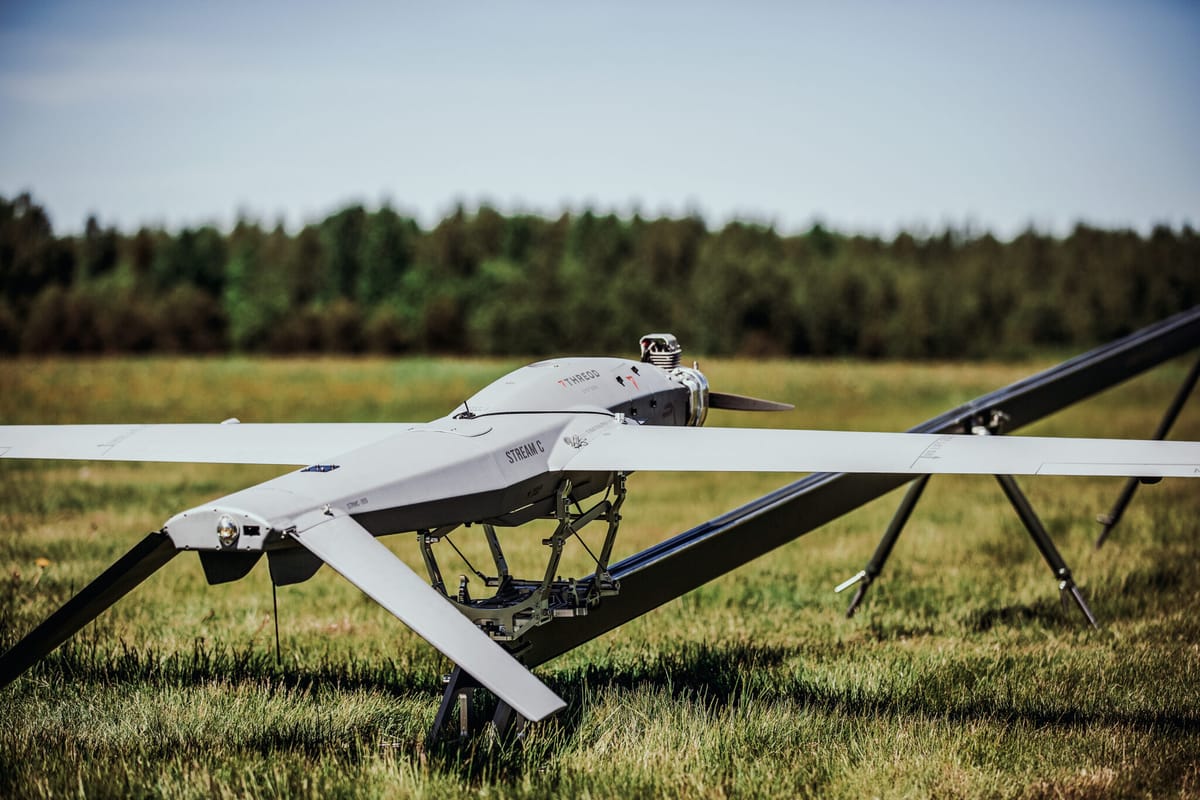
Estonia-based Threod Systems has secured a contract to provide counter-unmanned aerial system (C-UAS) equipment to the British Army, marking a further step in the company’s expansion into NATO-aligned markets.
The system delivered is designed to detect, track, and mitigate small unmanned aerial threats, particularly in tactical environments. According to the company, the capability integrates sensor and effector components into a deployable configuration suitable for field operations. The solution is intended to address the increasing operational challenges posed by commercially available drones and loitering munitions.
While the exact contract value has not been disclosed, industry estimates place the agreement in the low single-digit million-euro range. The procurement reflects a broader trend across European armed forces to accelerate acquisition of counter-drone technologies following lessons observed in recent conflicts.
Threod Systems, headquartered in Estonia, specializes in unmanned systems and related defense technologies, including intelligence, surveillance, and reconnaissance payloads. The company has been expanding its footprint within NATO supply chains, leveraging Estonia’s position as a growing hub for defense innovation.
For the United Kingdom, the acquisition aligns with ongoing efforts to strengthen force protection capabilities against aerial threats at the tactical level. The British Army has been incrementally integrating C-UAS systems into its operational units as part of a wider modernization initiative focused on adapting to emerging battlefield risks.
The deal also underscores increasing defense-industrial cooperation between Northern and Western European partners, particularly in niche technology segments such as counter-UAS, where smaller specialized firms are playing a growing role.