Ukraine to Build 10 Weapons Export Hubs Across Europe in Strategic Defence Push
Kyiv moves to commercialise battlefield-tested arms and integrate domestically forged defence technology into European markets


Ukraine is preparing to establish 10 weapons export centres across Europe in 2026, signalling a major strategic shift toward monetising its wartime defence production and embedding its industrial base within broader European defence supply chains. The initiative was unveiled by President Volodymyr Zelenskyy as Kyiv moves to convert surplus arms production into export revenue while sustaining its military needs amid ongoing conflict.
The planned export hubs will be located predominantly in Baltic and Nordic states and other key European partner countries, areas that have played significant roles in supporting Kyiv’s defence efforts. These facilities are designed to facilitate the sale and distribution of Ukrainian-made weapons and military technologies to foreign buyers under controlled export frameworks.
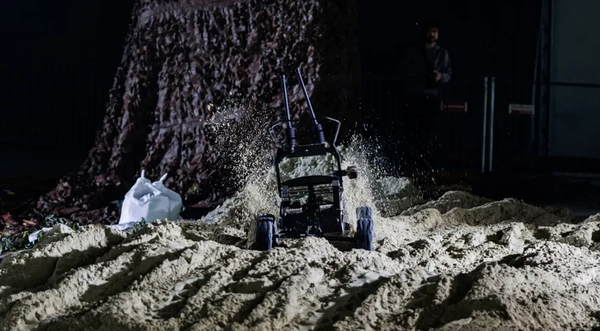
Ukrainian officials have highlighted that the export centres will focus on technologies and systems honed under battlefield conditions, particularly unmanned aerial vehicles (UAVs), anti-drone solutions, electronic warfare equipment, and other high-tech components. Production of some Ukrainian drones has already begun in partner states, with manufacturing lines now operational in the United Kingdom and scheduled to start in Germany.
The move reflects a deliberate shift by Kyiv from reliance on external military aid to developing self-sustaining defence industrial exports. With more than a thousand mostly private defence firms established since Russia’s invasion in 2022, Ukraine’s defence sector has grown rapidly, outpacing its own procurement capacity and creating surplus output. Generating revenue from exports is expected to support further domestic weapons development and production.
Kyiv’s strategy follows earlier policy announcements on managed or guided arms exports, intended to balance domestic military requirements with external sales under government supervision. These frameworks aim to prevent sensitive technologies from reaching adversaries while opening controlled channels for international defence trade.
Western partners are observing the developments as Ukraine seeks to embed its defence technologies into European security architectures, which could influence future procurement choices and industrial collaboration within NATO and EU member states.