US-Built THAAD and Patriot Systems Form Backbone of UAE Missile Interceptions
The United Arab Emirates relied on US-manufactured interceptor systems to counter ballistic missiles launched toward its territory on February 28. The Ministry of Defence confirmed that the layered architecture, centered on THAAD and Patriot systems, successfully engaged incoming threats.

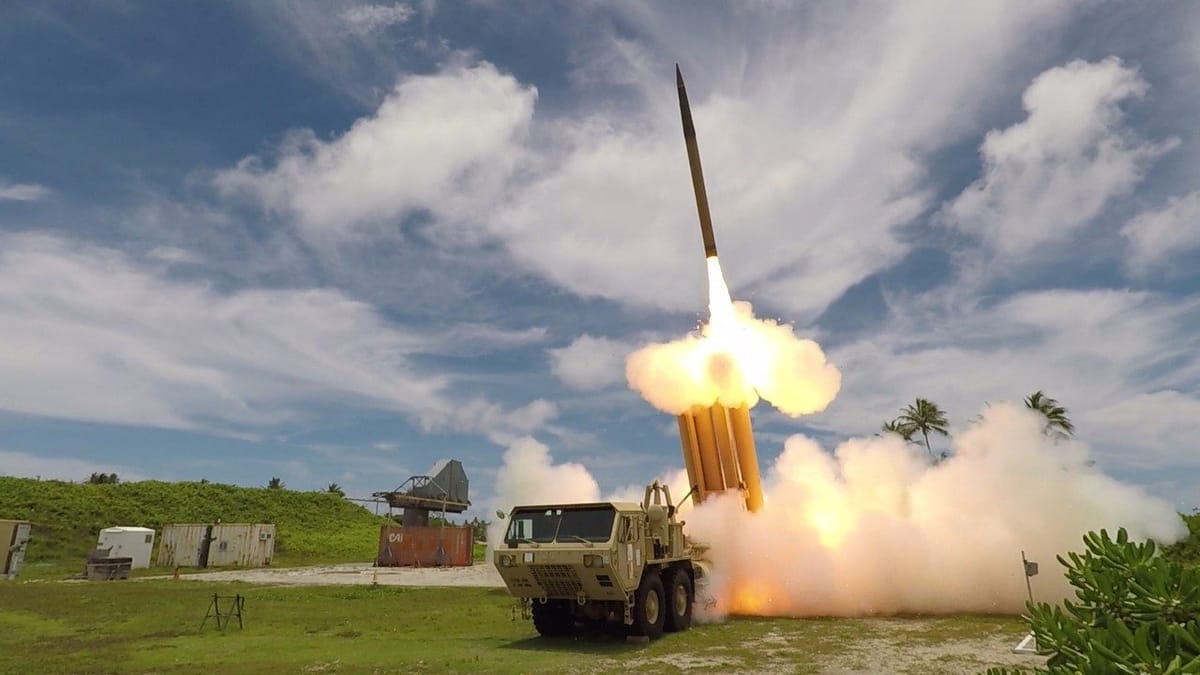
The interception of ballistic missiles over the United Arab Emirates on February 28 was enabled by a layered air and missile defense architecture built around US-developed interceptor technology.
At the upper tier of the system is the Terminal High Altitude Area Defense, or THAAD, manufactured by Lockheed Martin. The UAE became the first foreign customer of THAAD under a Foreign Military Sales agreement with the United States, integrating the system into its national air defense network over the past decade. THAAD is designed to intercept short-, medium-, and intermediate-range ballistic missiles during their terminal phase using a hit-to-kill kinetic interceptor rather than an explosive warhead.
The THAAD battery includes AN/TPY-2 X-band radar systems, launcher vehicles, interceptors, and a fire control and communications unit. The radar provides long-range detection and tracking, while the interceptor relies on kinetic impact to destroy incoming warheads at high altitude, reducing the risk of fragmentation from explosive detonations. The system is optimized for exo-atmospheric and high endo-atmospheric engagements.
Complementing THAAD at lower altitudes is the Patriot air and missile defense system, produced by RTX, formerly Raytheon Technologies. The UAE operates advanced Patriot configurations capable of engaging both aircraft and ballistic missile threats. The Patriot interceptor uses a combination of radar guidance and proximity or hit-to-kill mechanisms depending on the missile variant deployed.
Together, the two systems create overlapping engagement envelopes. THAAD provides the first opportunity to intercept ballistic threats at high altitude, while Patriot offers a secondary layer should a target penetrate the upper tier. This layered structure is intended to increase engagement probability and provide redundancy against high-speed projectiles.
The integration of US-manufactured interceptors into the UAE’s broader command-and-control architecture reflects long-standing defense cooperation between Abu Dhabi and Washington. The systems are linked through advanced battle management networks that allow rapid threat assessment and interceptor assignment within seconds of detection.
During the February 28 incident, the UAE Ministry of Defence reported that multiple incoming missiles were successfully intercepted. Despite the successful engagements, debris from at least one intercepted missile fell in Abu Dhabi, resulting in one civilian fatality.
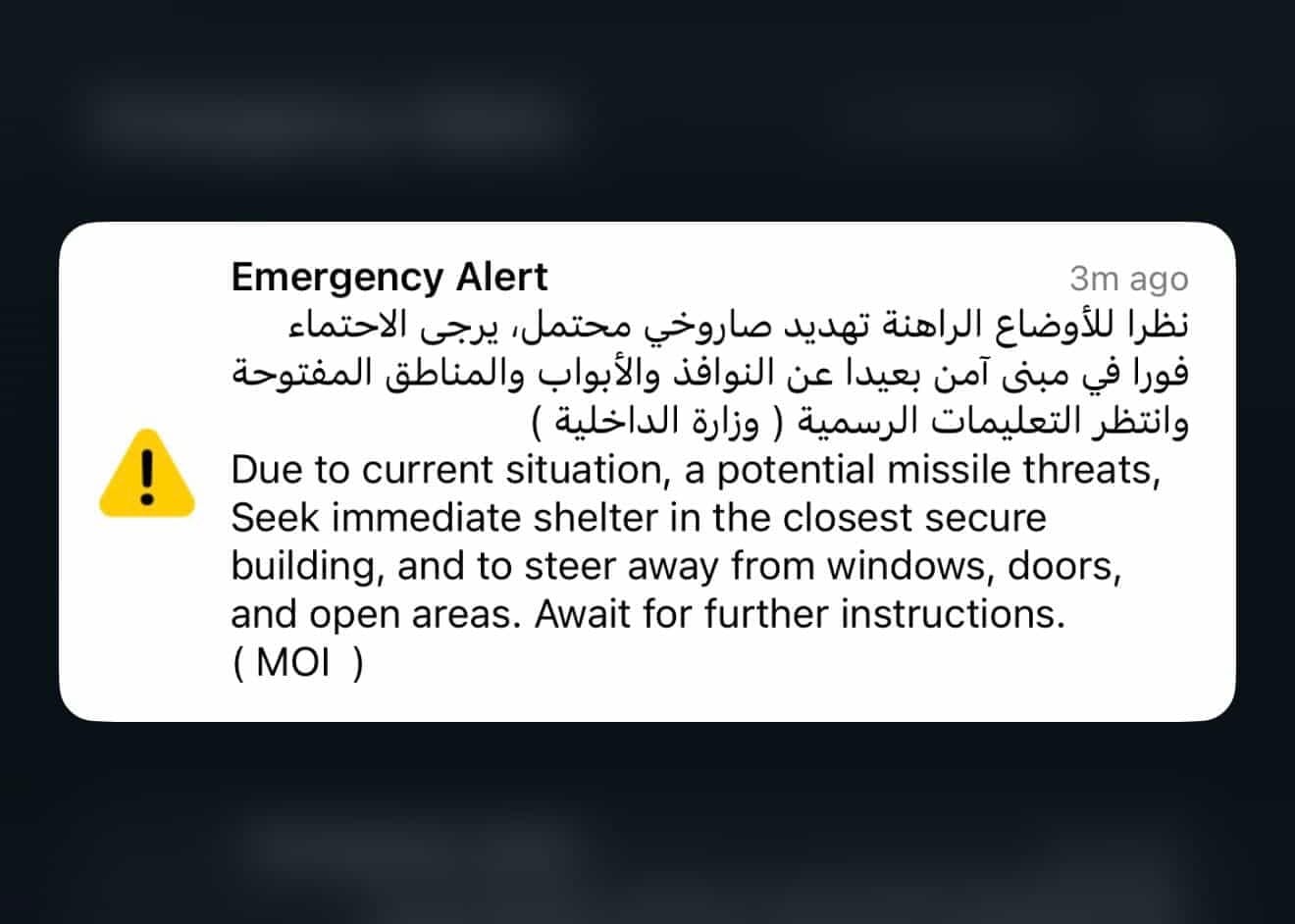
In parallel with the military response, the UAE Ministry of Interior transmitted emergency alerts directly to mobile phones nationwide, instructing residents to seek immediate shelter and avoid open areas. The activation of both interceptor systems and civil alert mechanisms illustrates the dual military and homeland security components of the country’s missile defense posture.
The episode underscores the operational role of US-origin missile defense technology in Gulf security architecture, particularly in states facing persistent ballistic missile threats.