Croatia’s €1.945 billion military overhaul: Leopards, Caesars, TATRAs and anti-drone shields
Croatia has green-lit a €1.945 billion defense modernization program that will transform its military by 2030. The plan includes Leopard 2A8 tanks, CAESAR howitzers, TATRA heavy trucks, and an anti-drone network built with domestic industry partners.

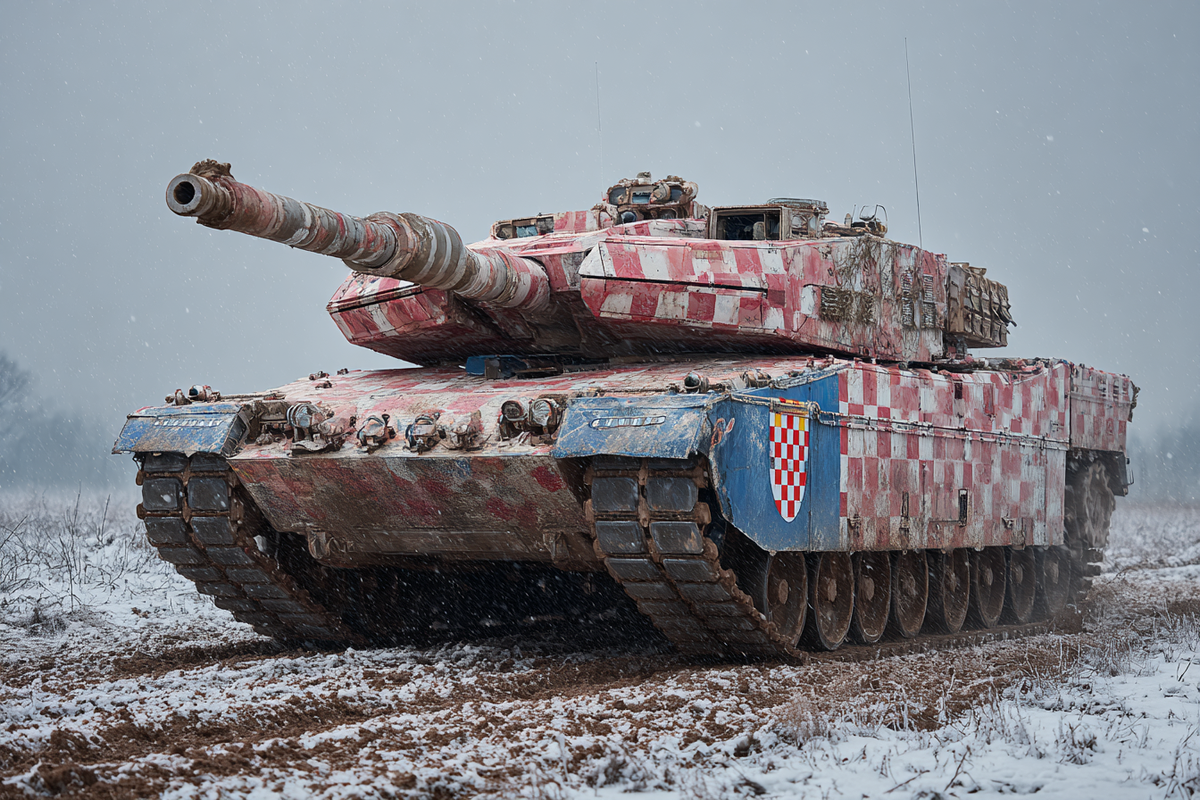
Croatia has approved a sweeping €1.945 billion military procurement plan that will redefine the country’s defense posture over the next decade. The package includes state-of-the-art Leopard 2A8 main battle tanks, CAESAR MK2 self-propelled howitzers, TATRA heavy trucks, and a new domestically built anti-drone protection system.
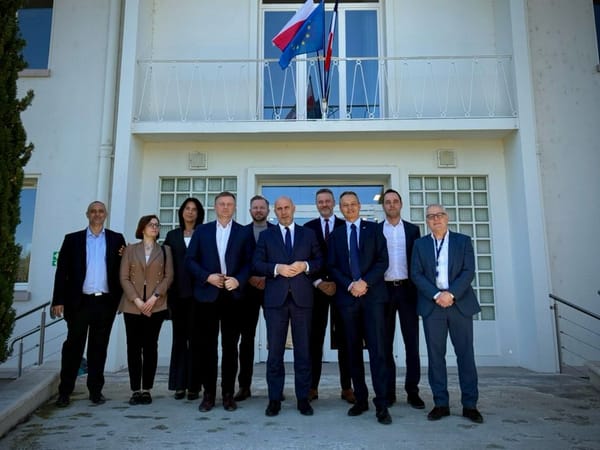
Deputy Prime Minister and Defense Minister Ivan Anušić said the Defense Committee of Parliament endorsed the program, which will be financed through a combination of national funds and EU instruments. The move marks one of Croatia’s largest single defense investments since joining NATO, signaling a strategic effort to enhance mobility, firepower, and protection across the armed forces.
Under the plan, Croatia will acquire 44 Leopard 2A8 tanks valued at roughly €1.3 billion, 18 CAESAR 155 mm MK2 howitzers worth €320 million, 420 TATRA T-815-7 trucks valued at €200 million, and a €125 million national anti-drone defense network composed of two stationary and two mobile systems.
The anti-drone systems—co-developed by Croatia’s Koncar Group and a Polish partner—will protect critical military and civilian airfields, with deployment beginning within two years. The Leopard 2A8 and CAESAR procurements will be funded through the EU’s SAFE program, designed to bolster European defense cooperation, while the anti-drone system will be financed directly from the Ministry of Defense budget.
Final contracts are expected to be signed by the end of this year. The first TATRA trucks are scheduled for delivery in 2026, followed by the anti-drone systems in 2027, and the Leopard and CAESAR platforms by 2028–2030. Assembly and maintenance work on the trucks will take place in Duro Dakovic’s Slavonski Brod facility, integrating Croatian industry into the supply chain.
Anusic said the acquisitions will dramatically enhance the country’s operational readiness and interoperability with NATO partners. “This is a generational leap for the Croatian Armed Forces,” he said after the closed-door session. “By 2030, Croatia will operate some of the most modern armored and artillery systems in Europe.”
Beyond traditional procurement, the government is pushing to expand domestic innovation. Croatian defense firms have recently drawn international interest—France and Bulgaria have already expressed intent to acquire Croatian-made FPV drones, with several other EU countries reportedly in talks.
Anusic emphasized that Croatia aims to take a leading role in EU drone production, positioning itself as a regional hub for emerging defense technologies. He also highlighted cooperation between Dok-Ing and Slovenia’s Valhalla, which jointly unveiled an unmanned combat vehicle armed with a 30 mm cannon earlier this year.
Taken together, the €1.94 billion modernization program reflects Croatia’s ambition to build a modern, mobile, and technologically advanced military—while ensuring that a growing share of that investment strengthens its own defense-industrial base.