Defense Fairs in the Western Balkans: A Region Finding Its Voice
Defense exhibition infrastructure in the Western Balkans is expanding alongside rising budgets and industrial output. Bosnia and Herzegovina’s planned 2026 expo marks a significant addition to a landscape long dominated by Serbia. The shift indicates a more distributed regional defense ecosystem.

AdriaDefense.com | Analysis
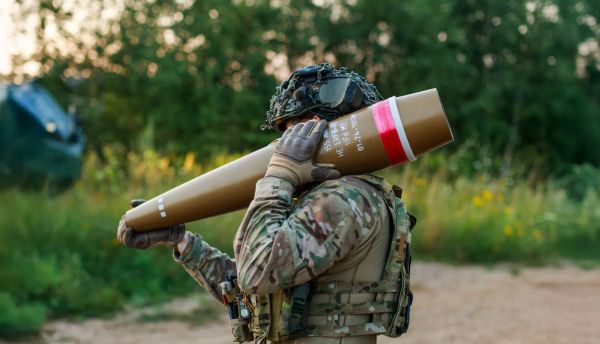
Defense exhibitions in the Western Balkans are beginning to reflect broader structural changes across the region's defense-industrial landscape. Rising military spending, increased export activity, and closer alignment with NATO and EU supply chains are creating demand for platforms that enable procurement engagement, industrial cooperation, and international visibility.
Until recently, this function has been concentrated largely in a single location. Serbia's established exhibition infrastructure has served as the primary regional hub, while other countries have relied on participation in foreign events. This model is now starting to shift as additional states explore or develop their own national platforms.
Bosnia and Herzegovina represents the most immediate and concrete step in this direction.
Bosnia and Herzegovina: A Defense Industry Gains a Domestic Platform
For decades, Bosnia and Herzegovina maintained one of the most significant defense industrial bases in the former Yugoslav space, yet without hosting a dedicated international exhibition. Domestic companies have remained active on global platforms, including IDEX in Abu Dhabi and Eurosatory in Paris — as well as regional events in Belgrade, but without a national venue to present capabilities on home ground.
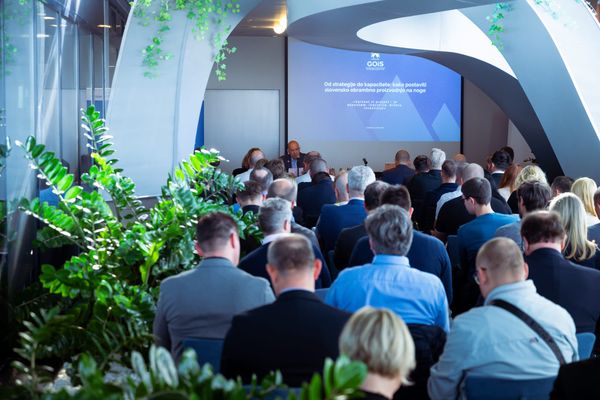
This gap is now being addressed. Bosnia and Herzegovina will host the First Balkan Shield Industrial Expo and Summit in Sarajevo from 1 to 4 September 2026.
The exhibition is expected to cover approximately 7,000 square meters, including both indoor and outdoor areas. Participating companies will include established state-owned manufacturers such as Igman, BNT-Tvornica, Pretis, Zrak, TRZ, and Binas, alongside private sector firms presenting product portfolios and ongoing development programs.
Implementation has been assigned to Unis Group Sarajevo, a state-owned entity that coordinates international appearances of Bosnian defense companies. Officials indicated that the expo reflects sustained investment in production capacity and international partnerships, and is intended to formalise Bosnia's position within global defense exhibition circuits. The event is planned as a recurring biennial fixture.
From an industrial perspective, timing is aligned with export growth. Bosnia and Herzegovina's defense sector recorded approximately €200 million in exports in 2025, with strong demand in ammunition, explosives, and related supply segments. The absence of a domestic exhibition platform has limited direct engagement with buyers and integrators, particularly from NATO and EU markets. The Sarajevo event is expected to partially address this gap.
The initiative also aligns with broader strategic objectives. Authorities have indicated that integration into Western logistics and supply chains is a central theme, and a 10-year development strategy for the Federation's defense industry is in draft form, with potential presentation during the expo itself.
"Serbia has had PARTNER for years, and it works, but it works for Serbia. What the Western Balkans has been missing is a platform that isn't anchored to one country's industrial interests. Sarajevo changes that. For international companies looking to build supply chain relationships across the region, a neutral venue with BiH's production profile is a different proposition entirely."
— Ben Tober, Co-Founder, DefenseLead.com
Serbia: The Established Regional Benchmark
Serbia continues to operate the most developed defense exhibition infrastructure in the Western Balkans. The PARTNER International Defence Exhibition, held biennially in Belgrade, remains the primary regional platform for defense industry engagement.
Organized under the auspices of the Serbian Ministry of Defence and supported by Yugoimport SDPR, PARTNER brings together a wide range of systems, including artillery, missile platforms, armored vehicles, UAVs, electronic warfare systems, and naval assets. The event attracts high-level delegations and representatives from international organisations, including NATO-related structures and European defense bodies.
Its next edition is scheduled for 2027. The combination of institutional backing, a consistent biennial cycle, and a strong domestic industrial base provides a level of continuity unmatched elsewhere in the region. Serbian manufacturers such as Zastava Arms, Krusik, and Sloboda Cacak form a stable core of exhibitors, reinforcing Belgrade's position as the central node for regional defense commerce.
Croatia: NATO Integration Without a Major Domestic Exhibition Platform
Croatia operates within a different structural framework as a NATO member since 2009 and an EU member since 2013. Its defense industry is oriented toward alliance interoperability and participation in European procurement frameworks.
Companies such as Đuro Đaković are active internationally, frequently exhibiting at events including DSEI in London, Eurosatory in Paris, and MSPO in Kielce. This reflects a strategy focused on integration into Western supply chains rather than reliance on a domestic exhibition platform.
Zagreb is reported to be exploring the development of a national defense exhibition, though no formal timeline or confirmed format has been announced. Until such plans materialise, Croatia remains without a major national defense fair, a gap that is notable given its industrial base and institutional alignment with NATO and the EU.
Albania: Industrial Revival Without Exhibition Infrastructure
Albania is undergoing a gradual revival of its defense industrial capacity. Current efforts include renewed production of explosives, small arms, ammunition, and unmanned systems, alongside exploration of joint ventures with Western partners. The modernisation of Kuçova Air Base, supported by NATO investment, reflects broader efforts to strengthen defense infrastructure and interoperability.
Albania does not currently host a dedicated defense exhibition. Engagement takes place primarily through NATO frameworks and bilateral cooperation, and any national exhibition platform would be a longer-term prospect.
North Macedonia: Strategic Role Without Industrial Scale
North Macedonia has gained importance through its role in NATO training and operational support, particularly via the Krivolak training range, one of the alliance's most valued exercise facilities in the region. The country continues to modernise its armed forces, including procurement of JLTV vehicles and air defense systems.
Its domestic defense industry remains limited in scale, however, and there is no established exhibition platform. Participation in international events remains the primary mechanism for industrial visibility.
Montenegro and Kosovo: Limited Industrial Base, External Engagement
Montenegro and Kosovo do not currently possess the industrial scale required to sustain national defense exhibitions. Montenegro's defense posture is focused on NATO interoperability following its accession in 2017, while Kosovo continues to develop institutional capacity within its defense sector. Both rely on participation in regional and international exhibitions, particularly in Belgrade and Western Europe, as their primary channels for engagement.
Structural Drivers: Why Exhibition Capacity Is Expanding Now
Several structural trends are contributing to the gradual expansion of defense exhibition infrastructure across the Western Balkans.
Defense spending across the region has increased significantly since 2020, creating sustained procurement cycles that require supplier engagement and market visibility. At the European level, initiatives such as the EU's Readiness 2030framework and the European Defence Industry Programme (EDIP) are placing greater emphasis on supply chain integration and Western Balkan industries, particularly in ammunition and energetics, are increasingly relevant to these efforts. At the same time, demand linked to the war in Ukraine has driven increased production among regional manufacturers, strengthening both financial capacity and strategic positioning.
Regional Outlook: From Single Hub to Distributed Network
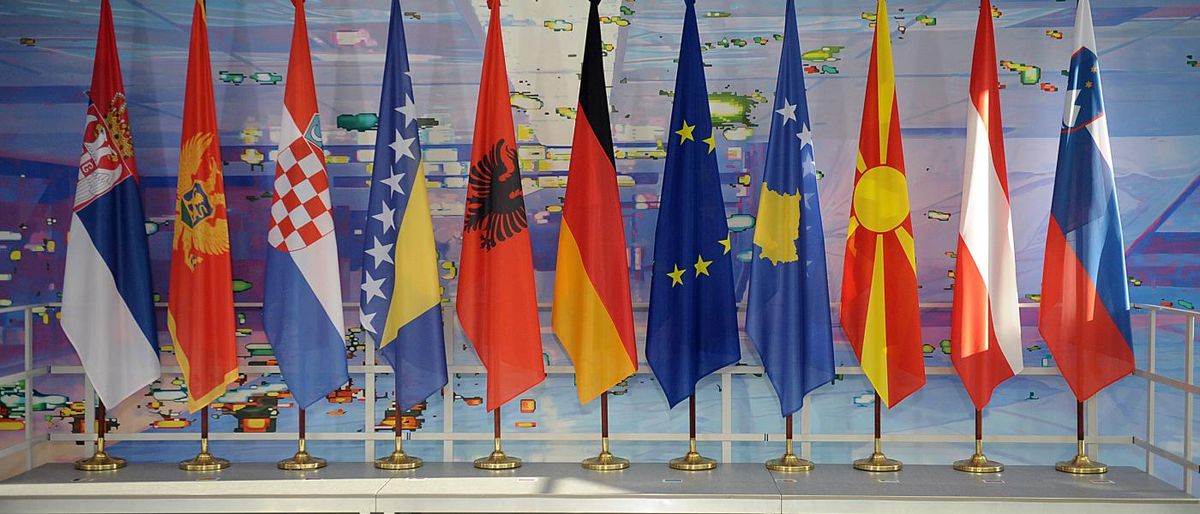
The Western Balkans is transitioning from a single-centre exhibition model toward a more distributed structure. Serbia's PARTNER exhibition is expected to remain the anchor event in the region. However, Bosnia and Herzegovina's entry introduces an additional platform with a distinct profile, particularly in relation to Western supply chain integration and BiH's position as a non-NATO, EU-candidate state with deep production heritage.
Whether Croatia follows with a national platform of its own will be the next significant indicator of how broadly this shift extends across the region.
Analysis by AdriaDefense.com | April 2026
© 2026 AdriaDefense.com. All rights reserved.
This article may be republished or quoted in part, provided that proper attribution is given. Any republication — in full or in part — must include a clear credit to AdriaDefense.com as the original source, along with a direct hyperlink to the original article. Translations and adaptations are permitted with the same attribution requirements. Republication without attribution or without a functioning backlink to the source is not permitted.