Germany and Poland move toward 2026 defense cooperation pact — with history still shaping the agenda
Germany and Poland are preparing a 2026 defense-cooperation agreement, signaling a strategic tightening of defense ties on NATO’s eastern flank, even as historical responsibility toward Polish WWII survivors remains intertwined with the diplomatic agenda.

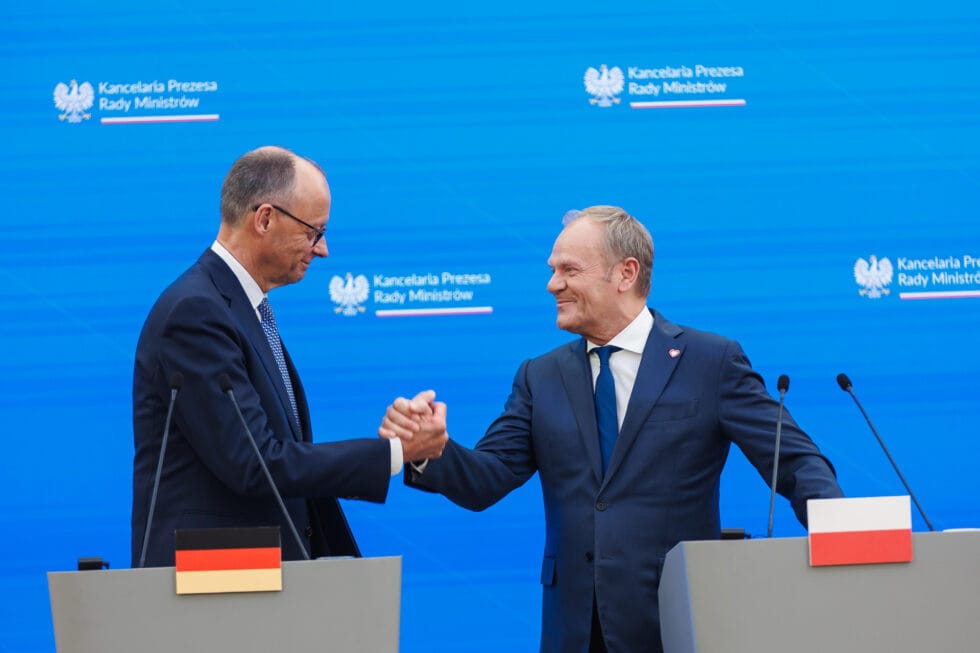
Germany and Poland are preparing a formal defense-cooperation agreement planned for signing in 2026 — timed to coincide with the 35th anniversary of the Polish-German partnership treaty. The initiative reflects Berlin’s strategic pivot to tighten its eastern-flank alignment and accelerate interoperability with a frontline NATO neighbor deeply exposed to Russian pressure.
Chancellor Friedrich Merz confirmed in Berlin that ministers from both governments are now tasked with drafting the framework. Sources in both capitals expect the agreement to focus on training coordination, joint procurement logic, munition stockpiling, and eventual alignment of territorial defense doctrine — the kind of long-term planning NATO has pressed for but struggled to implement consistently across Europe.
Historical gravity still present at the table
Prime Minister Donald Tusk used the meeting to raise the long-standing issue of responsibility toward surviving Polish victims of Nazi occupation. Rather than pushing for legal reparations claims, Warsaw’s current stance emphasizes symbolic and humanitarian assistance for survivors — a politically softer but highly sensitive subject.
Merz avoided specifics but noted that Germany “is very aware of its historical responsibility” and will continue its discussions with Poland. While Berlin maintains that the reparations issue was settled in 1953, Warsaw disputes the legitimacy of that agreement due to the context of Soviet domination. Even without legal claims, the topic remains a lever of moral diplomacy and a recurring point of public expectation in Poland.
Strategic takeaway
Berlin and Warsaw are entering a phase where pragmatic defense cooperation and unresolved historical sensitivities coexist. If successfully executed, the 2026 agreement could mark a structural upgrade in European defense coordination — one anchored less in rhetoric and more in operational commitments.