Indonesia–Bosnia Defense Cooperation Highlights Jakarta’s Export Strategy
A recent defense cooperation agreement between Indonesia and Bosnia and Herzegovina reflects the expanding international reach of Asian middle powers in the global arms market. The arrangement underscores Southeast Asia’s growing defense-industrial ambition beyond its immediate region.


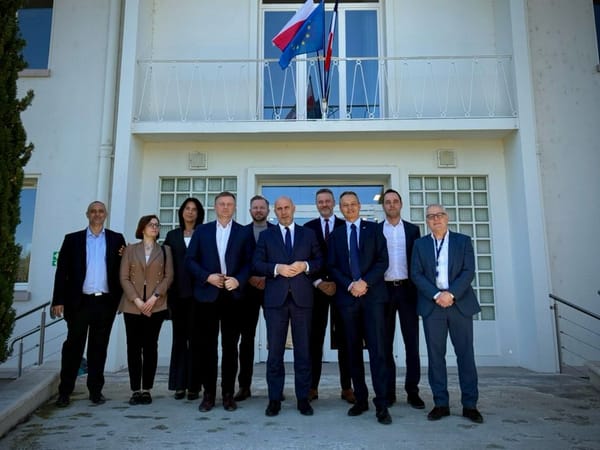
Indonesia has moved to deepen its defense-industrial footprint in Europe through a new cooperation arrangement with Bosnia and Herzegovina, marking a notable example of South–South and cross-regional defense engagement. The agreement, announced during a high-level visit, focuses on industrial cooperation and potential equipment supply rather than formal alliance commitments.
According to Indonesian officials, the deal is intended to support long-term defense-industrial collaboration, including manufacturing cooperation and potential technology exchange. While specific platforms and quantities were not disclosed, the framework aligns with Jakarta’s broader strategy of promoting domestically produced military equipment to international customers.
For Bosnia and Herzegovina, the cooperation offers access to a non-traditional supplier at a time when many smaller European armed forces are seeking alternatives to established Western defense primes. Officials in Sarajevo have increasingly emphasized supplier diversification and cost-effective modernization, particularly for land systems and support equipment.
The agreement also reflects Indonesia’s evolving defense diplomacy under President Prabowo Subianto, who has prioritized defense exports as a tool of strategic influence. Indonesian state-owned manufacturers have already expanded sales in Africa, the Middle East, and parts of Asia, with Southeast Europe emerging as a new area of interest.
From an industrial perspective, the deal highlights how middle powers are leveraging competitive pricing, flexible financing, and fewer political constraints to enter markets traditionally dominated by NATO and EU suppliers. Analysts note that such engagements do not challenge Western dominance directly but incrementally reshape procurement options for smaller states.
While the agreement remains limited in scope, it illustrates a broader trend of Asian defense industries positioning themselves as credible partners beyond their home regions, with Southeast Europe becoming an increasingly relevant testing ground.