Japanese Startup Develops Low-Cost Shiraha Drone With Potential Implications for European Mass Procurement
A Japanese startup has introduced the Shiraha drone, a low-cost unmanned system reportedly priced below $450 per unit. The platform reflects a growing shift toward affordable, attritable drone capabilities.

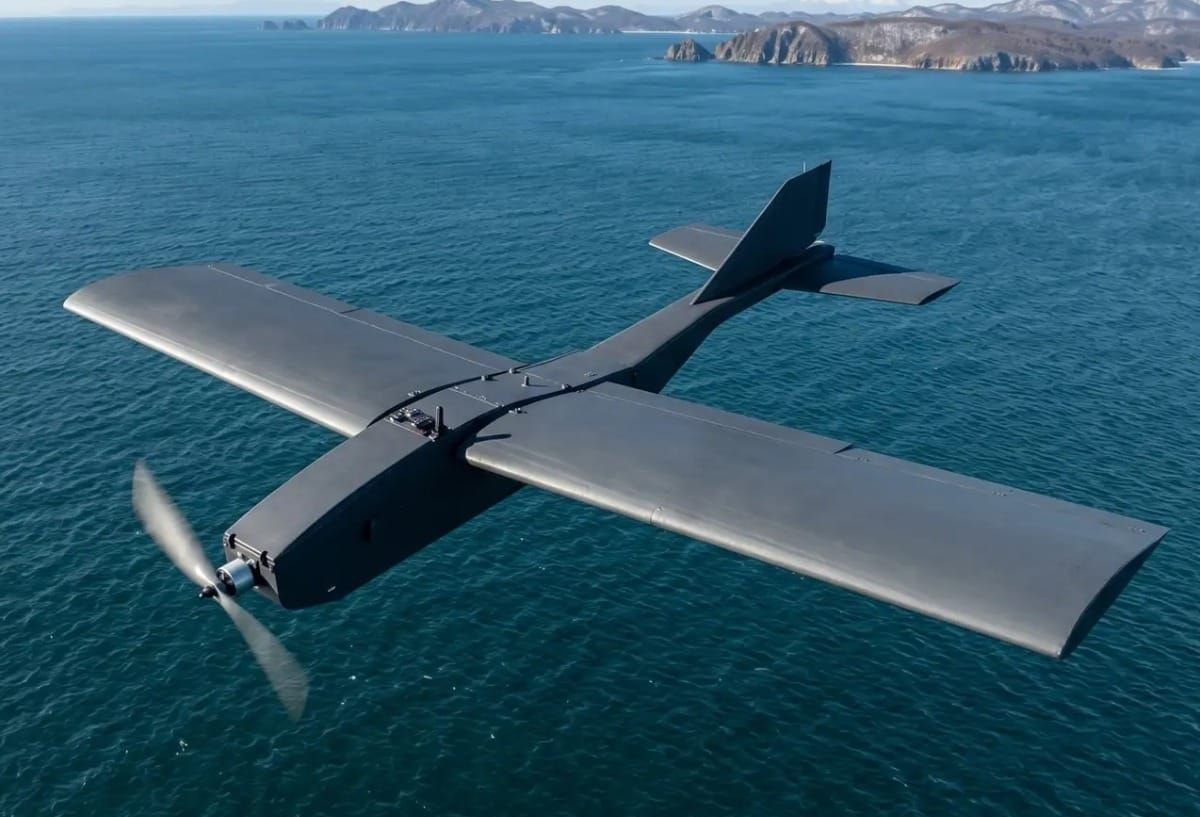
A Japanese technology startup - JISDA, has unveiled a new low-cost unmanned aerial system known as the Shiraha drone, designed to be produced at a unit cost below $450. The system appears to be positioned within the growing category of attritable drones, where affordability and mass deployment outweigh survivability of individual units.
According to available information, the Shiraha drone is built with simplicity and cost efficiency as primary design drivers. The platform is reportedly intended for missions where losses are expected, aligning with operational concepts observed in recent conflicts where large volumes of inexpensive drones have been used to saturate defenses, conduct reconnaissance, or carry out strike roles.
The emergence of such systems highlights a broader shift in drone warfare. Rather than relying exclusively on high-end, expensive unmanned platforms, militaries are increasingly exploring scalable fleets of low-cost systems that can be rapidly produced and deployed. This approach reduces the operational impact of losses and complicates adversary air defense planning.
For European defense stakeholders, the Shiraha concept reflects several ongoing procurement and industrial trends. Across NATO and EU member states, there is increasing focus on expanding domestic drone production capacity, particularly for systems that can be fielded in large numbers. The war in Ukraine has reinforced the operational value of inexpensive unmanned platforms, both for reconnaissance and strike missions.
European armed forces are currently balancing investments between advanced systems and mass-producible platforms. The introduction of a sub-$500 drone underscores the potential for further cost reduction in this segment, which could influence future acquisition strategies. If replicated within Europe, similar systems could support rapid force expansion, reserve stockpiling, and distributed operations.
From an industrial perspective, the Shiraha drone also illustrates the role of startups and non-traditional defense suppliers in shaping the unmanned systems market. European governments have begun to encourage similar ecosystems through funding mechanisms and accelerated procurement pathways aimed at small and medium-sized enterprises.
However, integration into European inventories would depend on several factors, including regulatory compliance, interoperability with NATO systems, and supply chain security. Additionally, European defense ministries may prioritize domestic production to reduce external dependencies, particularly in sensitive capability areas such as unmanned systems.
Overall, the Shiraha drone represents a continuation of the trend toward low-cost, high-volume unmanned capabilities. While developed outside Europe, the concept aligns closely with evolving European operational requirements and could inform future procurement and industrial strategies.