Latvia Breaks Ground on 155 mm Propellant Charge Plant in Iecava Forests, Targeting 50,000 Units Annually
Latvia has begun construction of a 155 mm modular propellant charge factory in the forests of Iecava, designed to produce up to 50,000 charges annually for domestic use and NATO partners, with operations set to begin in Q3.

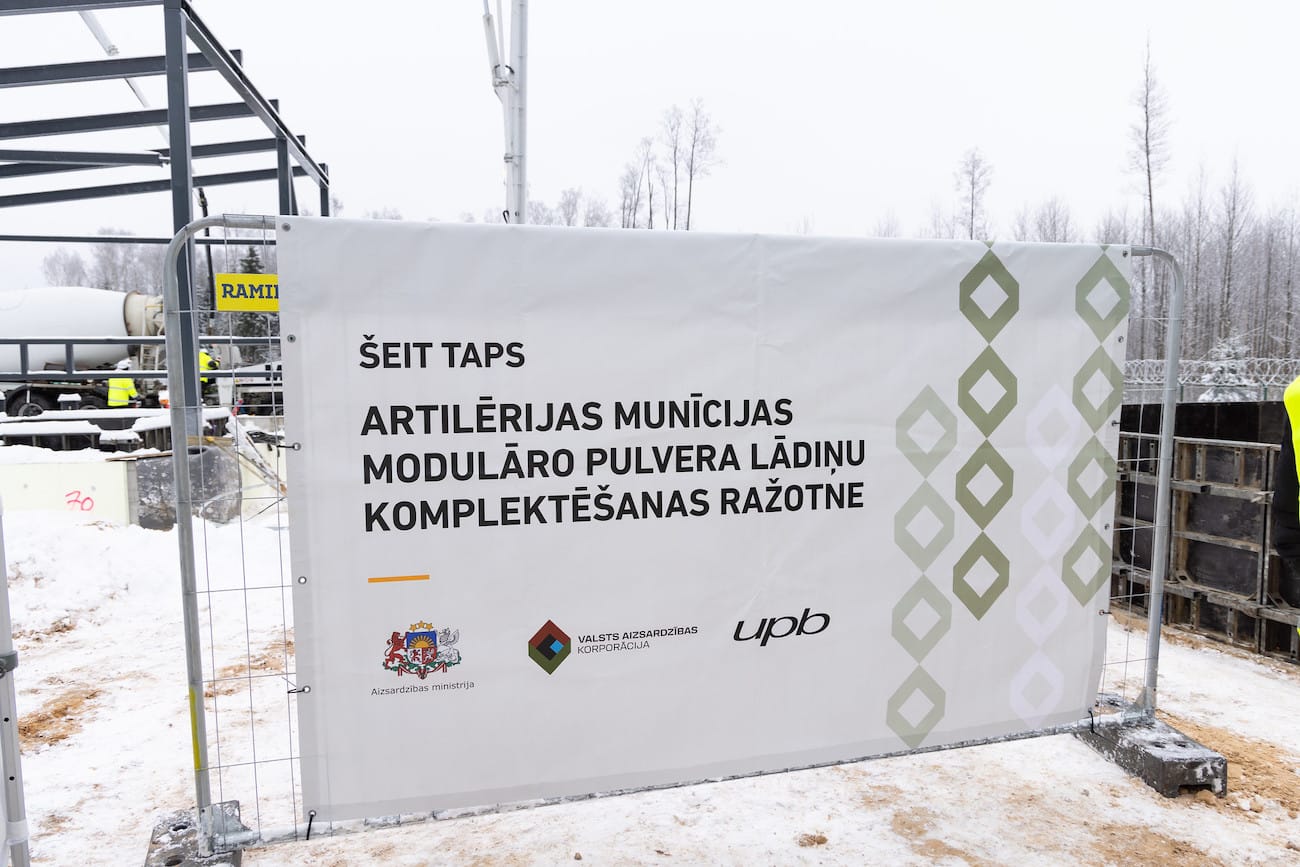
Latvia has formally launched construction of a new military ammunition manufacturing facility in the forests of Iecava parish, marking a significant step in strengthening NATO-aligned artillery supply chains at a time of acute demand for 155 mm systems.
Speaking to journalists during the ceremonial laying of a time capsule at the construction site, Ingrīda Ķirse, a board member of Latvia’s State Defence Corporation, said the plant will produce up to 50,000 modular propellant charges per year, primarily for the Latvian Armed Forces, with surplus capacity allocated for export to NATO partner countries.
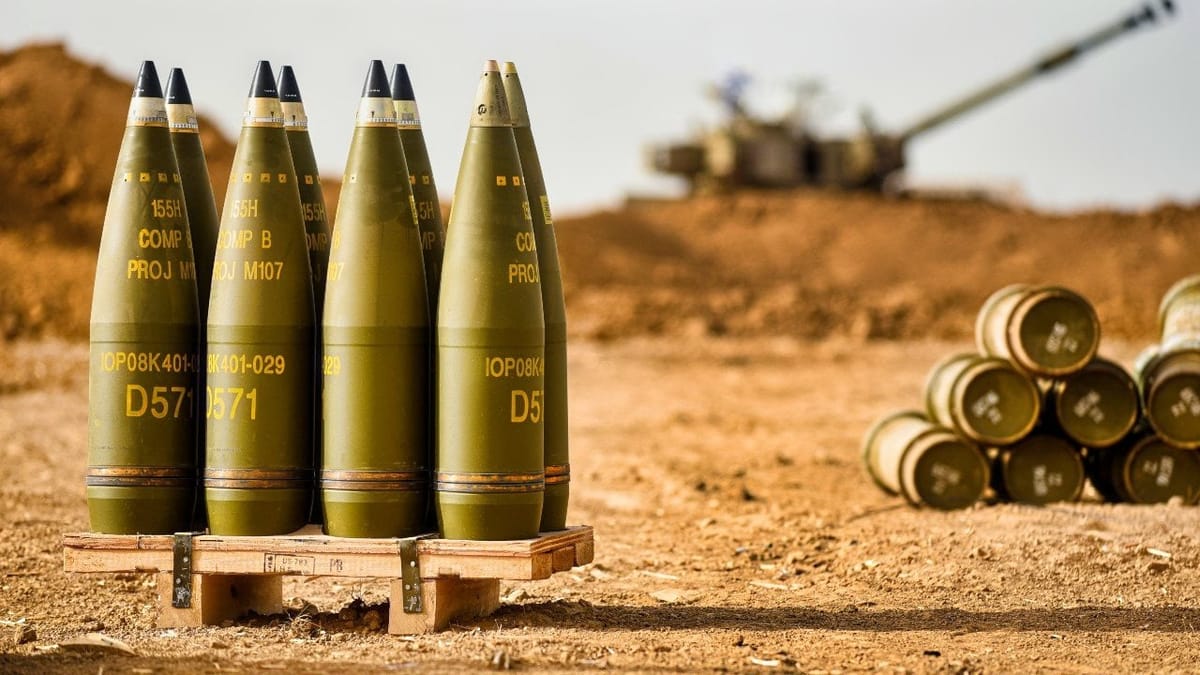
The factory will manufacture canister-type modular propellant charges used beneath 155 mm artillery shells. When ignited, these charges generate the energy required to propel the projectile from the gun barrel, making them a critical — and currently scarce — component of modern artillery ammunition supply chains.
Secure location, limited workforce
The site is located several kilometres from the nearest residential areas and major roads, embedded deep within state-owned forest land historically associated with military use. According to Ķirse, such positioning is standard for energetic-materials production due to safety and security requirements.
Once operational, the facility is expected to employ 20–25 locally recruited specialists, with hiring scheduled to conclude by mid-summer. Production is planned to begin in Q3 of this year, even as construction continues.
Raw materials will be supplied by foreign partners within the project consortium, reflecting the cross-border nature of NATO’s ammunition industrial base.
International defence cooperation
The 155 mm propellant charge factory — known as the “Rollo” project — is being developed in cooperation with Nammo and KNDS, underlining Latvia’s growing integration into European and Nordic defence production networks.
National funding for the project totals €26 million, complemented by €41 million in European Union funding, though the Ministry of Defence has noted that not all EU funds are earmarked exclusively for Latvia. The State Defence Corporation confirmed that the facility is expected to operate on a commercial basis, generating turnover and profit alongside its strategic role.
Local industry execution
Construction is being carried out by UPB nams, with design work by UPB projekti, both part of the UPB Group. Construction supervision is handled by Firma L4. The value of the construction contract has not been disclosed.
According to Firmas.lv data, UPB nams reported €49.38 million in turnover and €1.04 million in profit in 2024, while Firma L4 recorded €7.76 million in turnover and €1.34 million in profit over the same period.
Strategic context
With 155 mm artillery ammunition — and especially propellant charges — among the most searched-for and capacity-constrained defence products globally, Latvia’s new facility adds a meaningful node to Europe’s effort to rebuild resilient, geographically distributed ammunition production.