Montenegro Steps In: Podgorica Joins NATO’s Unified Mission to Train and Equip Ukraine
Montenegro’s parliament approves sending troops to NATO’s NSATU mission, reinforcing support for Ukraine and elevating Podgorica’s role inside the Alliance despite domestic political tensions.

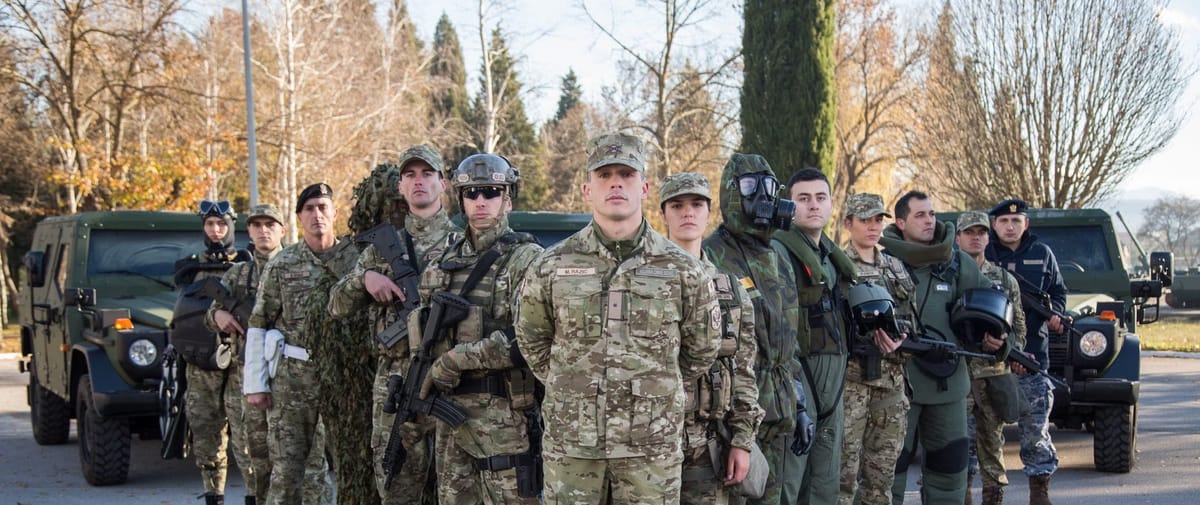
Montenegro has formally approved the deployment of its armed forces to the NATO Security Assistance and Training for Ukraine (NSATU) mission, marking one of its most significant defense-policy decisions since joining the Alliance.
The move, confirmed by parliament after a heated political debate, positions Montenegro inside NATO’s central framework for coordinating military aid, training, logistics, and equipment support to Kyiv.
Some parties warned the decision could provoke Russia and deepen existing tensions, but the government argued that Montenegro must act as a credible NATO member—especially after previously signaling intent to join the EU Military Assistance Mission to Ukraine (EUMAM).
A Unified NATO Hub for Ukraine’s War Effort
NSATU, headquartered in Wiesbaden, Germany, was created to bring order and visibility to the vast flow of weapons, maintenance, and training efforts coming from NATO members and partners. Roughly 300 personnel from across the Alliance, including Ukrainian staff, operate within its structure.
The mission acts as a single control tower for:
- Coordinating the delivery and movement of military equipment
- Planning and synchronizing training from 140+ global providers
- Monitoring maintenance and readiness of donated systems
- Aligning Ukraine’s operational needs with what governments and industry can actually supply
- Managing logistics through NATO hubs on the eastern flank
By joining NSATU, Montenegro adds manpower to an already critical NATO effort, while signaling that its foreign and defense policy remains anchored in Euro-Atlantic commitments.
A Strategic Step at a Politically Sensitive Moment
Podgorica’s decision comes amid continued polarization at home, but also at a moment when Ukraine’s long-term support structures are being re-shaped. NATO intends NSATU to be the backbone of Kyiv’s training and equipment pipeline for years—possibly even after the war.
For Montenegro, participation strengthens its standing in the Alliance and underscores that even small states can contribute meaningfully to collective security.