Neros secures US Army drone contract with $500 million ceiling
The US Army has awarded Neros Technologies a contract worth up to $500 million for low-cost first-person-view attack drones. The agreement supports a broader Pentagon effort to expand domestic production of attritable unmanned systems.

US drone manufacturer Neros Technologies has secured an Army contract with a potential value of $500 million to supply low-cost first-person-view attack drones, according to The Wall Street Journal.
The agreement is structured with a maximum contract ceiling, meaning the full amount is not guaranteed and will depend on orders placed by the Army. It nevertheless represents a major procurement opportunity for the California-based company and signals growing US military demand for inexpensive, expendable unmanned aircraft.
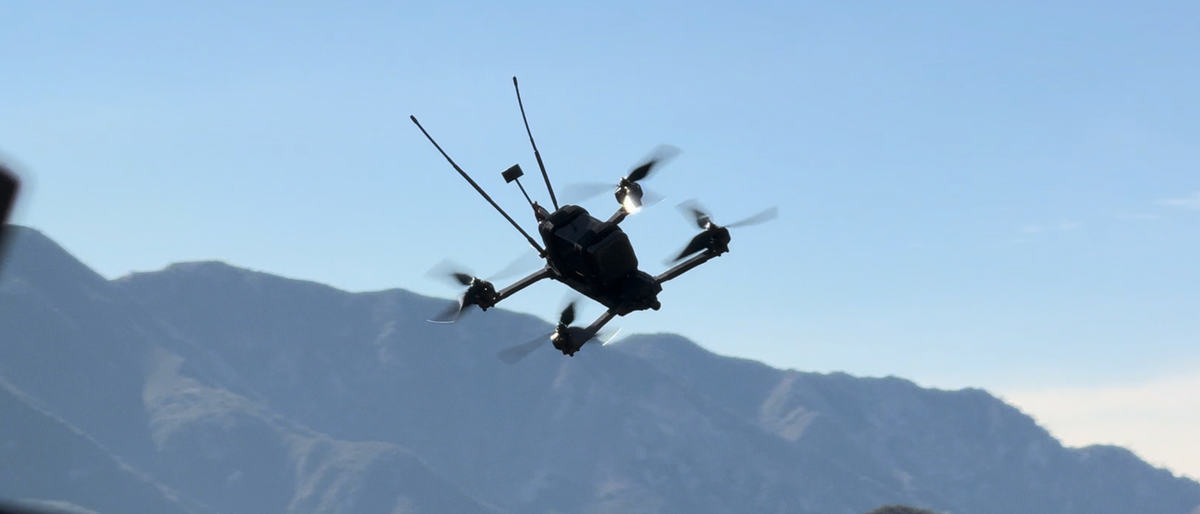
Neros produces the Archer family of FPV drones, including strike-capable variants designed to carry explosive payloads. The systems are intended for short-range tactical missions in which an operator controls the aircraft using a live video feed.
The company previously secured selection for the Army’s Purpose-Built Attritable Systems program. Neros said the Archer platform had undergone testing with US and Ukrainian military users before its inclusion in the program.
According to the WSJ report, a basic Archer aircraft costs about $2,000, while a complete strike configuration with a warhead costs approximately $5,000. The company is reportedly producing around 1,200 drones per week and plans to establish capacity for one million units annually by 2028.
Neros was founded in 2023 by former competitive drone pilots Olaf Hichwa and Soren Monroe-Anderson. The company has since raised about $121 million in private financing, including a $75 million funding round announced in November 2025 to support production expansion.
Its manufacturing plans include Project Millennium, a multiyear expansion of assembly, component production and testing capacity in the United States. Neros has also announced plans for production in the Asia-Pacific region and established a British subsidiary to support sovereign manufacturing requirements in the United Kingdom.
The Army contract reflects lessons from Ukraine, where relatively inexpensive FPV drones have become widely used for reconnaissance and precision attacks against vehicles, artillery positions and personnel.
These systems can be produced and replaced more rapidly than traditional guided weapons, although their effectiveness can be affected by electronic warfare, communications disruption and operator training.
The Pentagon is seeking to reduce reliance on Chinese commercial drone components while creating domestic supply chains capable of supporting high-volume military production. This places additional importance on access to motors, batteries, flight-control electronics, communications equipment and optical systems produced in the United States or allied countries.
The Army’s wider Drone Dominance initiative is intended to fund the production of approximately 340,000 small unmanned aircraft over two years. The service has said it aims to deliver tens of thousands of systems during 2026 and hundreds of thousands by 2027.
For the US defense-industrial base, the Neros award indicates that large-volume drone procurement is beginning to move beyond limited trials and experimental programs. It also gives a relatively young defense company an opportunity to demonstrate whether commercial-style production methods can meet military requirements for reliability, supply-chain security and sustained output.
The procurement could have implications for European and NATO markets, where armed forces are examining how to build stockpiles of affordable unmanned systems and reduce dependence on non-allied suppliers.