Slovakia Invests €118.7m in the “Everyday Layer” of Combat Readiness
Slovakia is investing €118.7 million in the everyday layer of combat readiness — new uniforms, protective equipment, and small arms— signaling a shift toward more practical soldier systems, resilient sustainment, and locally anchored defense supply chains.

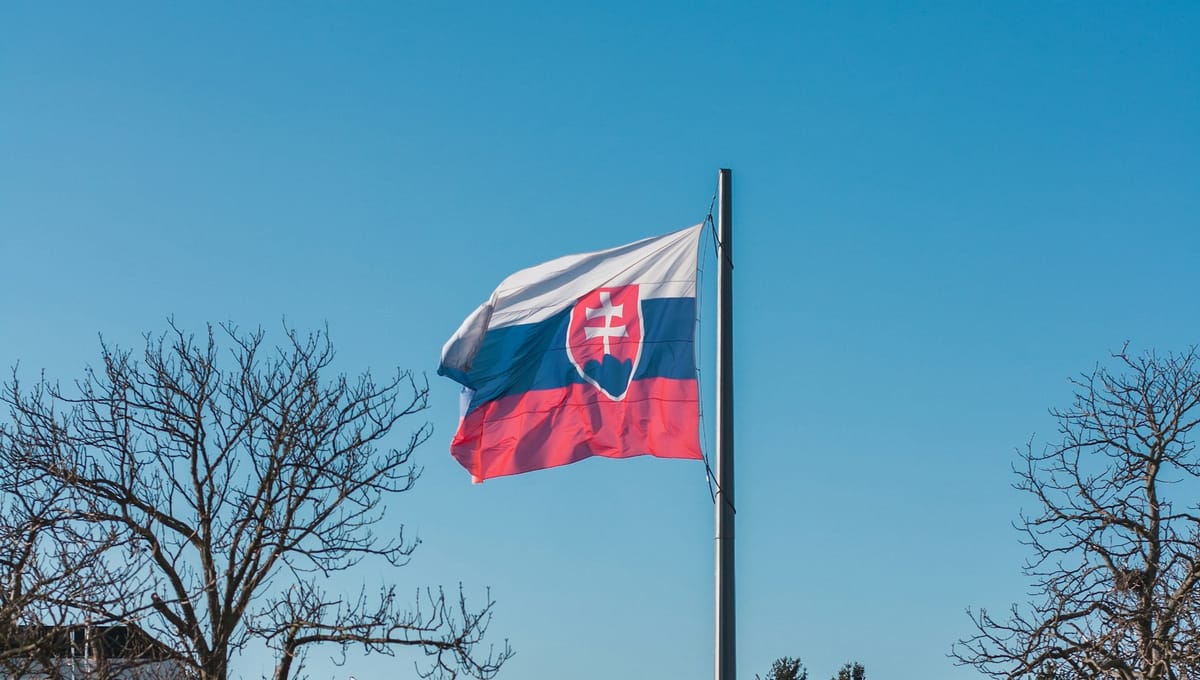
Slovakia is directing €118.7 million into an area that rarely dominates headlines but has a disproportionate effect on real-world combat readiness: the everyday layer of the force—uniforms, protective equipment, and individual weapons.
According to the Ministry of Defence of the Slovak Republic, the investment is structured around two pillars: a new soldier system centered on the VZOR 25 uniform, and a comprehensive modernization of small arms.
A Soldier System Built for Use, Not Parades
On the soldier system side, the VZOR 25 uniform is positioned as a functional upgrade driven by field usability rather than aesthetics. The design focuses on improved comfort, better protection, and more efficient handling of layers and gear under operational conditions. Practical details matter here—fewer buttons, quicker closures, and simpler integration with load-bearing equipment.
The main rollout is planned for 2026, with the average cost of a uniform discussed at roughly €300. Crucially, the uniform is not treated as a standalone item but as part of a wider kit concept that includes ballistic protection, helmets, and enabling equipment such as night-vision devices. This integrated approach reflects a more mature view of what actually keeps soldiers effective over time.
Small Arms Modernisation with Transition Risk in Mind
The second pillar is small arms. Official plans point to a package of assault rifles, sniper rifles, and pistols valued at around €82 million, with deliveries expected between 2026 and 2028. Existing vz. 58 rifles will not be immediately retired but retained in storage as a reserve.
That decision is notable. It reduces transition risk by ensuring depth while new weapons, training pipelines, logistics, and maintenance structures are phased in. For a medium-sized force, this is a disciplined way to modernise without creating short-term readiness gaps.
Why This Matters Beyond Slovakia
For international policymakers, this programme signals direction rather than headline-grabbing procurement. Slovakia is prioritising modern, maintainable soldier equipment and a more resilient sustainment model. The explicit emphasis on local production and local sustainment is strategically relevant: it shortens repair and replacement cycles, reduces dependence on fragile external supply chains, and improves mobilisation credibility under NATO planning assumptions.
That directly feeds into force availability and burden-sharing reliability—issues that matter far more in a crisis than platform numbers on paper.
Clear Signals for Industry
For industry, the implications are straightforward. Soldier system refreshes rarely stop at uniforms and rifles. They typically generate downstream demand for training services, maintenance capacity, spares, magazines, consumables, optics, accessories, protective equipment, and long-term lifecycle support.
If Slovakia follows through on anchoring more of this value chain domestically, it creates concrete partnership space for foreign suppliers willing to localise, license production, or establish durable in-country support footprints. In today’s environment, that combination of modernisation and localisation is increasingly where serious defense business is heading.