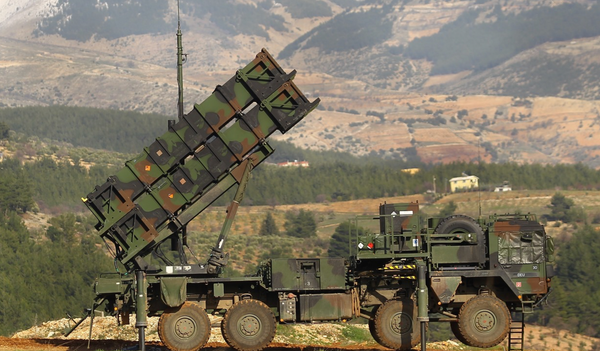
War, Money and a New Kind of Arms Fair: The Global Boom in Defense Exhibitions
From Paris to Brussels and Celje to Abu Dhabi, a surge in military spending and geopolitical tension is reshaping the world of defense trade shows.

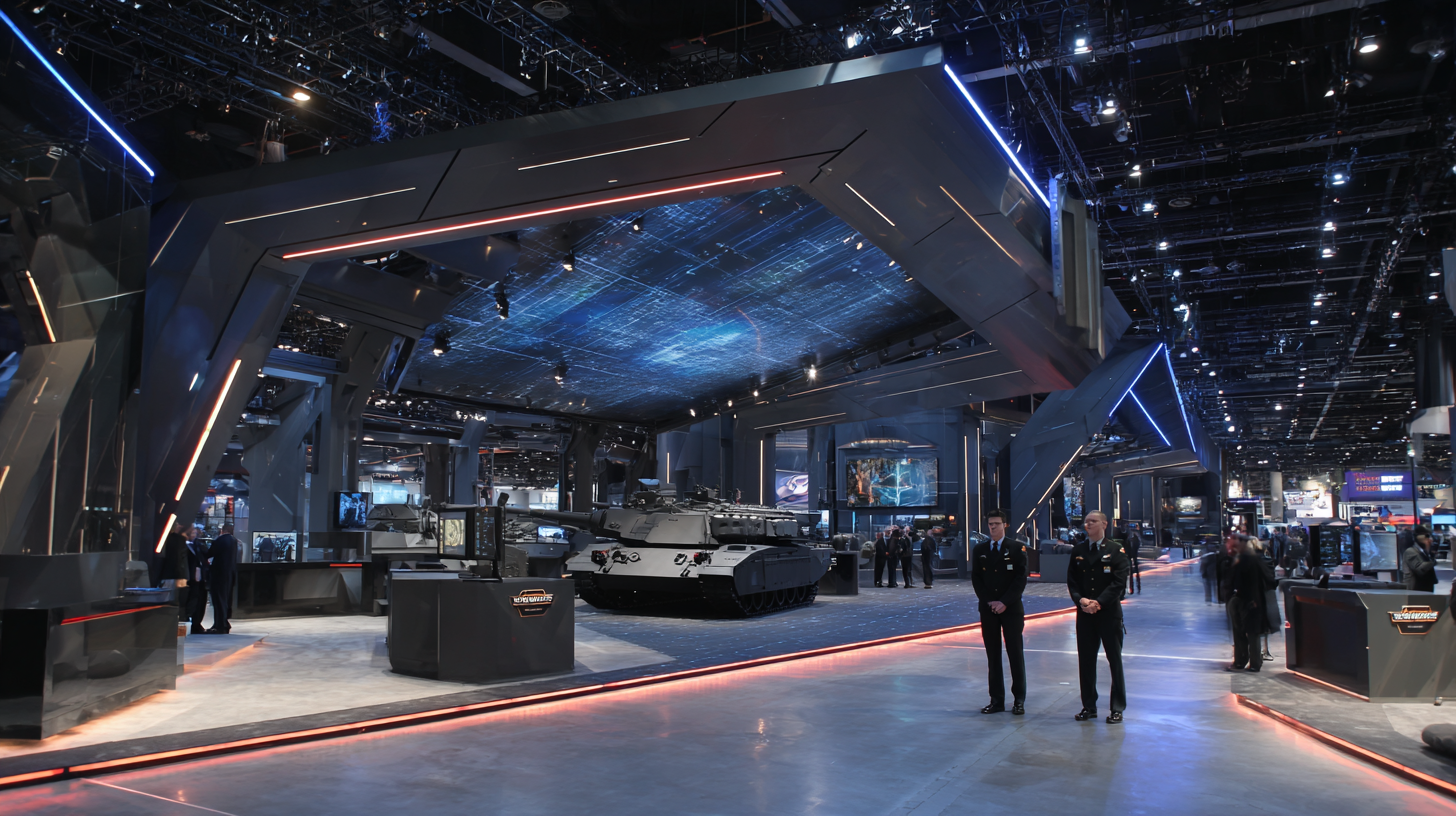
On a warm June morning in Paris, thousands of defense executives, military officers and government officials will once again converge on the sprawling exhibition grounds north of the city for Eurosatory, one of the world’s largest gatherings of the arms industry.
Armored vehicles will line vast halls. Drones will hover in demonstration zones. Delegations from dozens of countries will move between meeting rooms where contracts, partnerships and future weapons programs are quietly discussed.
Scenes like this have long defined the defense exhibition circuit.
But today the circuit itself is expanding — rapidly.
Across Europe and beyond, new defense trade shows are appearing, established ones are growing, and governments are increasingly treating these events not just as industry gatherings but as instruments of economic policy, industrial strategy and geopolitical signaling.
The boom reflects a deeper shift in the global security environment.
Since Russia’s full-scale invasion of Ukraine in 2022, military spending has surged around the world, defense production has accelerated and governments have begun rebuilding industrial capacities that had shrunk after the Cold War.
The exhibition industry that serves the sector is expanding alongside it.
A surge in defense spending
Global military spending has climbed to record levels.
Worldwide military expenditure has now surpassed $2.7 trillion annually, the highest level ever recorded. Europe has seen some of the fastest growth, as governments across the continent rush to rebuild ammunition stockpiles, modernize armed forces and expand defense production.
For NATO members, defense spending targets that once seemed aspirational — such as allocating 2 percent of gross domestic product to defense — are increasingly being treated as a baseline rather than a ceiling.
That financial surge is translating directly into industrial activity.
Factories are expanding ammunition output. Governments are funding new weapons programs. Defense startups are attracting investment.
And increasingly, companies are looking to international exhibitions to position themselves in a rapidly expanding global market.
From trade shows to strategic platforms
For decades, defense exhibitions served primarily as industry showcases — places where companies displayed equipment and military officers evaluated technology.
But as the industry has grown more complex, these events have evolved into something closer to diplomatic and industrial marketplaces.
Large exhibitions such as DSEI, AUSA Annual Meeting, and IDEX now attract tens of thousands of visitors from government, military and industry.
For many companies, these gatherings are where export deals begin, supply-chain relationships are forged and long-term partnerships are quietly negotiated.
“Defense exhibitions are where the ecosystem meets,” said one European defense executive who regularly attends the major events. “You meet governments, primes, suppliers, startups — sometimes all in the same day.”
A new generation of defense shows
In recent years, new exhibitions have begun appearing alongside the traditional giants of the circuit.
In Brussels, organizers launched BEDEX, positioning it as a platform connecting defense companies with the NATO and European Union institutions headquartered in the Belgian capital.
In Slovenia, the new SIDEC was created to highlight regional defense innovation while connecting companies with military end users.
These events are part of a broader trend: countries increasingly view defense exhibitions as tools for promoting domestic industry, attracting foreign investment and strengthening their role in international security cooperation.
Hosting a defense show can bring thousands of visitors and millions of euros in economic activity. But more importantly, it can place a country at the center of conversations about military capability and industrial collaboration.
The quiet transformation of a traditional industry
Despite the growth of the exhibition circuit, the defense industry has historically been slow to adopt many of the marketing strategies common in other sectors.
For decades, companies approached trade shows in a straightforward way: build a booth, schedule meetings and hope that the right delegations stopped by.
That approach is beginning to change.
As competition increases and exhibitions become more crowded, companies are looking for ways to reach decision-makers earlier — often weeks before an event begins.
This shift has given rise to specialized platforms that focus on connecting companies with potential partners and buyers around major exhibitions.
One of them is DefenseLead.com, a Vienna-based Austrian platform focused on helping defense companies increase visibility before and during major international exhibitions.
Ben Tober, the company’s co-founder, said the industry is undergoing a quiet but significant transition.
“Traditionally, defense exhibitions were treated as static events,” he said. “Companies would arrive, open their booth and wait for visitors — maybe post and repost a LinkedIn update and send a couple of emails. But in a crowded global exhibition circuit, that approach is increasingly outdated.”
Today, he added, companies that begin outreach weeks before a show often gain the greatest advantage once delegations and procurement officials arrive.
Competition between cities and nations
The expansion of defense exhibitions has also created a new kind of competition — not just between companies, but between cities and countries.
Paris, London, Abu Dhabi and Washington have long been anchors of the defense exhibition calendar.
But other locations are now trying to establish themselves as hubs for the global defense industry.
Governments see exhibitions as opportunities to showcase domestic companies, attract foreign delegations and strengthen alliances.
In an era of renewed geopolitical competition, these gatherings also serve a symbolic role: demonstrating industrial capability and signaling strategic partnerships.
An expanding global circuit
Taken together, the developments suggest that the defense exhibition industry is entering a new phase.
More countries are launching events. More companies are attending them. And more governments are using them as platforms for diplomacy and industrial cooperation.
What once looked like a predictable calendar of trade shows has become something larger — a global network of events that reflects the changing balance of security, technology and power.
In the coming years, as defense spending continues to rise and the geopolitical landscape remains uncertain, that network is likely to grow even further.
For the companies that build the technologies of modern warfare — and the governments that buy them — the world’s defense exhibitions are becoming not just showcases, but crossroads.