Austria Advances Drone Modernization as Magni-X Enters Units
Austria is fielding 315 Magni-X reconnaissance drones as the Bundesheer pursues faster, more adaptable procurement for rapidly evolving unmanned systems.

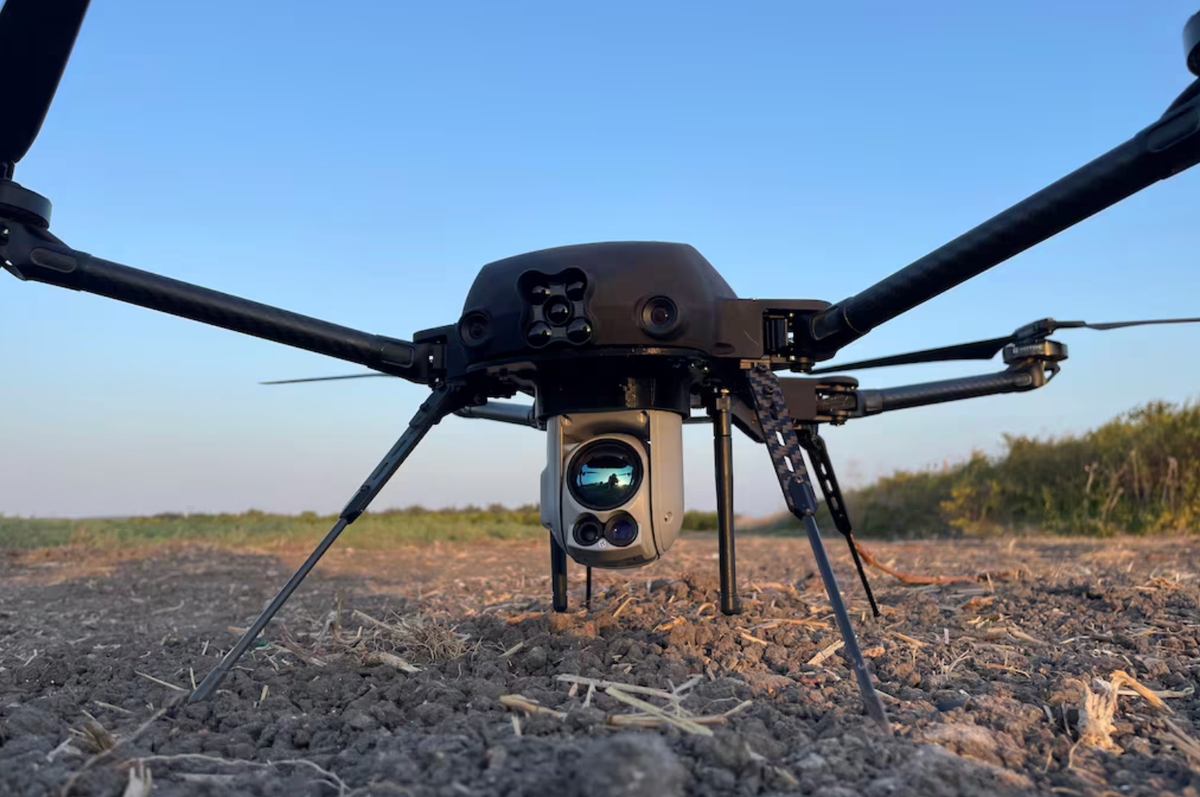
Austria is moving its tactical drone modernization from procurement into operational implementation as the Austrian Armed Forces introduce the Magni-X short-range reconnaissance system across the force. The Bundesheer has acquired 315 drone systems under its ÖBH2032+ modernization effort, while military leadership is also developing more flexible procurement models intended to keep future unmanned capabilities aligned with rapid technological change.
Lieutenant General Harald Vodosek, Austria's designated Chief of the General Staff, outlined that approach before parliament on September 16. He said drone programs remain part of the continuing modernization plan and indicated that future service and development contracts could allow technological improvements to be incorporated as systems evolve.
Magni-X moves from acquisition to operational implementation
Austria's Magni-X program is now entering an important implementation phase.
The Austrian Armed Forces acquired 315 drone systems for approximately €10 million as part of a broader modernization program intended to strengthen tactical reconnaissance capabilities. Austrian military sources identify the Magni-X, produced by Elbit Systems, as the Bundesheer's newest short-range unmanned aerial reconnaissance system.
The Austrian military is developing procedures, training requirements and the operational foundations needed to integrate the system with units during 2026.
Magni-X is a compact vertical takeoff and landing system designed to give tactical formations an organic aerial reconnaissance capability. Austrian military information states that the system can autonomously follow predefined routes, automatically detect and identify targets and provide flight data and real-time video to its operating unit.
The capability allows operators to concentrate on reconnaissance and target observation while automated functions handle parts of the flight task.
Vodosek pushes procurement toward faster technology cycles
The September 16 parliamentary discussion also highlighted how Austria intends to approach the next generation of unmanned systems.
Vodosek told lawmakers that the Bundesheer is continuing projects involving drones alongside mechanized forces, helicopters and communications as it implements the ÖBH2032+ modernization plan.
His comments on procurement addressed a specific problem facing European armed forces: drone technology can develop substantially faster than traditional military acquisition cycles.
The Defense Ministry is therefore pursuing flexible models in which service and development contracts could incorporate technological improvements during the contract period.
That approach could become particularly relevant for unmanned systems, where software, sensors, navigation, communications and electronic-warfare resilience can evolve faster than the underlying airframe.
It also builds on procurement principles Vodosek previously identified for Austrian military acquisitions, including rapid availability, operationally proven technology, development potential and cooperation with international partners.
For the Magni-X program, Austria is already moving beyond the initial acquisition phase. The next measure of the program will be how effectively the Bundesheer translates the availability of hundreds of small reconnaissance systems into routine tactical capability across its units.