Austria Plans to Ban Chinese Cars, Tesla and Volvo From Military Sites
Austria plans to restrict Chinese cars, Tesla and Volvo vehicles from military facilities amid concerns over surveillance and potential espionage.


The Austrian Armed Forces are preparing restrictions on vehicles entering military installations amid growing concerns over potential intelligence collection through connected automotive technologies.
The planned restrictions would affect vehicles of Chinese origin as well as Tesla and Volvo models, Austrian public broadcaster ORF reported on November 26, citing Austrian Armed Forces spokesperson Michael Bauer.
The proposed measures would also apply to privately owned vehicles belonging to military personnel and other employees. Discussions with staff representatives are currently underway.
Growing Concerns Over Military Surveillance
Modern connected vehicles are equipped with cameras, sensors and digital communication systems capable of collecting extensive information about their surroundings.
Bauer raised concerns about the potential transfer of information collected by Chinese vehicles to Chinese intelligence services. His remarks represent the military's security assessment, rather than publicly disclosed evidence that individual vehicles have conducted espionage.
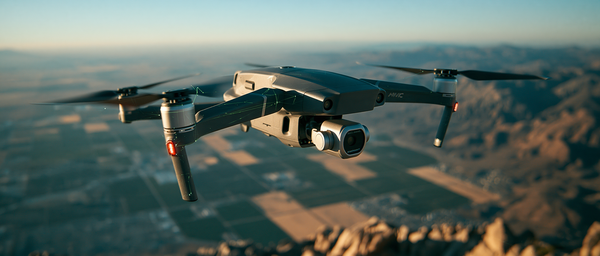
According to information presented at a security discussion, Austrian military installations are facing surveillance incidents on an almost daily basis, including suspicious photography and unauthorized drone activity.
Austria Follows Germany
Germany announced similar restrictions earlier in November, reflecting broader European concerns about the security implications of foreign-connected technologies operating near sensitive military infrastructure.
The Austrian initiative also comes as the country strengthens its defenses against unauthorized aerial surveillance.
As AdriaDefense reported on November 25, Austria has unveiled a national counter-drone strategy designed to improve the protection of critical infrastructure and coordination between military and civilian authorities.
The planned vehicle restrictions extend that security discussion beyond unmanned aircraft to commercially available connected technologies.
A definitive implementation date for the Austrian restrictions has not yet been publicly announced.