Bosnia Receives French COMET Drone Training Systems Under NATO Program
A NATO-backed program delivers French COMET drone training systems to Bosnia as Western Balkan countries expand military capabilities through EU assistance.

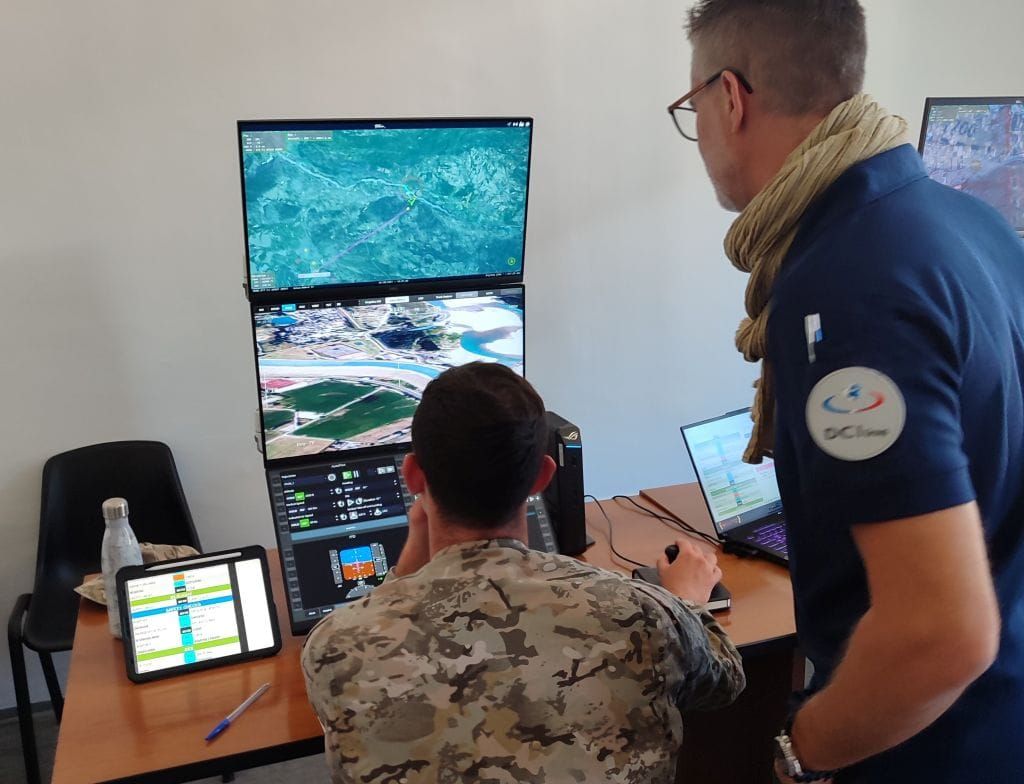
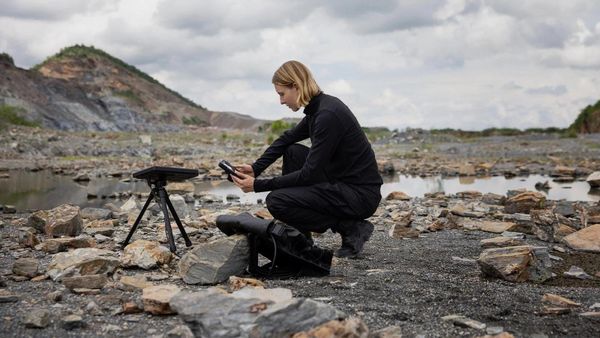
Bosnia and Herzegovina's Armed Forces have received two training drones and a flight simulator under a NATO-backed capacity-building initiative, marking a step toward the introduction of operational medium-range unmanned aircraft.
The Armed Forces of Bosnia and Herzegovina have received two unmanned aerial vehicles and a RAPAS training simulator through NATO's Defence and Related Security Capacity Building (DCB) Initiative. The French-supported project is designed to establish a domestic drone training capability and support the development of intelligence, surveillance, reconnaissance and target acquisition (ISTAR) operations.
According to the Bosnian Ministry of Defense, military personnel completed an initial training program between September 28 and October 14, 2026. The ministry confirmed that the RAPAS simulator and COMET systems will remain the property of the Armed Forces, allowing future operators to be trained domestically rather than relying exclusively on external training providers.
French Drone Technology and Training
The COMET family is associated with French drone specialist Atechsys, part of the DCI Group, which provides unmanned aircraft solutions, operational training and simulation services to military and government customers.
Brigadier Akif Smajić, an adviser within Bosnia and Herzegovina's Ministry of Defense, provided additional details during an October 21 interview with TVSA. He confirmed that the package includes two aircraft configured for training, equipped with conventional and thermal imaging capabilities.
Smajić said the project is intended to enable the transmission of live imagery from deployed drones to military operational command facilities, supporting faster assessments and decisions.
Operational Drones Planned in Third Phase
The project is structured around three phases. The initial stage includes regulatory preparations, delivery of the training equipment and initial instruction. The second will focus on practical flights in Bosnian airspace, advanced operator training and the preparation of personnel responsible for analyzing information collected by the aircraft.
A third phase envisages the acquisition and introduction of operational medium-range UAVs. The distinction is significant: the two aircraft already supplied are intended for training, while the planned operational systems represent a further stage of capability development.
No publicly confirmed contract value, delivery schedule or supplier selection for the third-phase aircraft has been identified.
Western Balkans Defense Assistance Expands
Bosnia and Herzegovina is the only Western Balkan country currently listed among the recipients of NATO's dedicated Defence and Related Security Capacity Building Initiative. The program was expanded to include the country in 2022, with a new assistance package endorsed by NATO defense ministers in February 2023.
Elsewhere in the region, substantial military assistance is being provided through separate European Union mechanisms, particularly the European Peace Facility (EPF).
Albania has secured €49 million in approved bilateral EPF assistance, including a €21 million package announced in May 2026. The latest measure covers light armored multipurpose vehicles, tactical and engineering vehicles, and associated training and services.
North Macedonia has received approval for €38 million in bilateral EPF support, with equipment categories including intelligence, surveillance and reconnaissance technologies, electronic warfare systems, military communications, mobility assets and combat training equipment.
Bosnia and Herzegovina has also been allocated €35 million through three bilateral EPF measures, separate from the NATO drone project. Its latest €15 million allocation, approved in May 2026, covers individual protective equipment, chemical, biological, radiological and nuclear defense equipment, night vision devices and cargo vehicles.
Montenegro, meanwhile, received approval for a €6 million EPF package covering specialized equipment for cold-weather operations, CBRN defense and helicopter-supported search and rescue.
Regional military cooperation received a further allocation on October 2, 2026, when the EU approved an additional €10 million for the Balkan Medical Task Force, bringing the task force's total EPF support to €16 million. The multinational initiative brings together military medical capabilities from Albania, Bosnia and Herzegovina, Montenegro, North Macedonia and Serbia.
The figures represent approved assistance allocations, not necessarily equipment already delivered. The NATO drone project in Bosnia and Herzegovina and the EU-funded packages are separate programs with different funding and implementation arrangements.
For Bosnia and Herzegovina, the next milestone will be the transition from simulator-based instruction and training aircraft to operational UAV missions. The planned third phase could create additional requirements for aircraft, sensors, communications, maintenance and operator support, although no open procurement opportunity has yet been confirmed.