Bulgaria Seeks MiG-29 Spare Parts as F-16 Fleet Faces Readiness Gap
Bulgaria is seeking MiG-29 spare parts and exploring second-hand fighter options as the Defence Ministry works to sustain NATO air policing until the F-16 Block 70 fleet reaches full operational readiness.

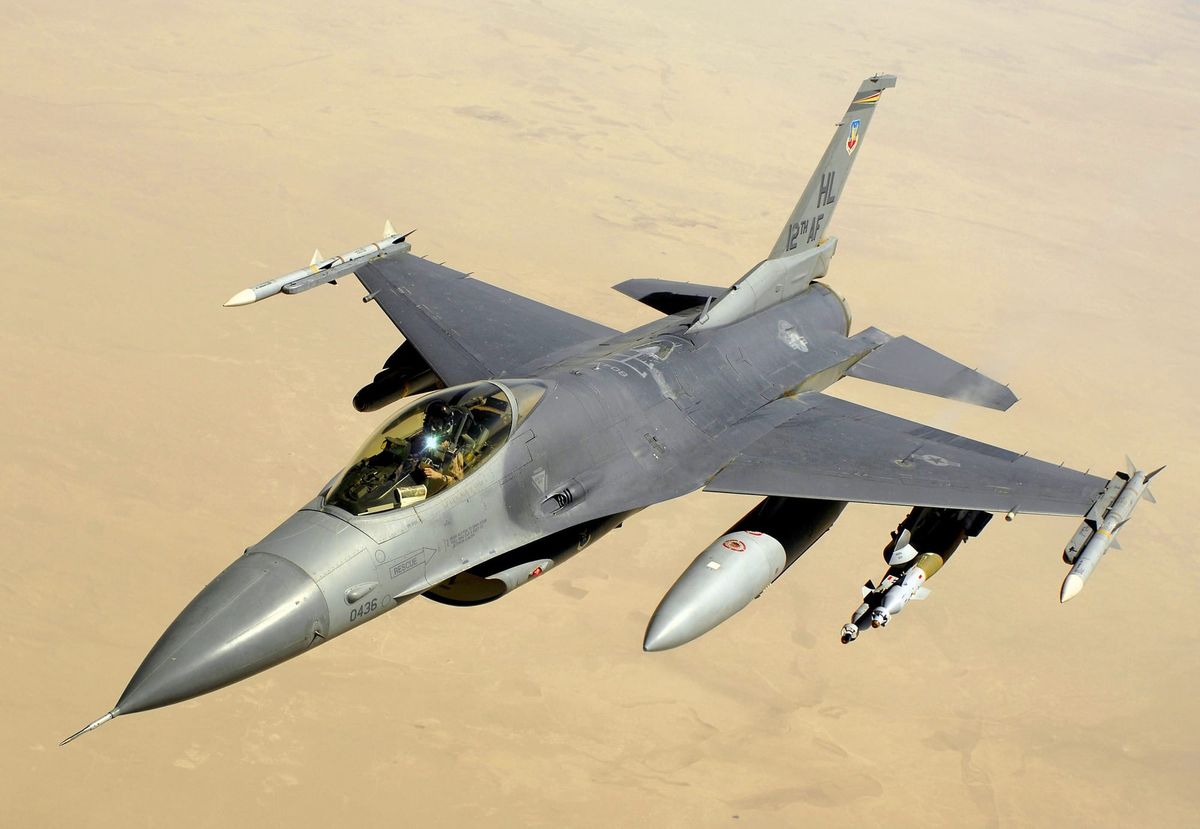
Bulgaria is seeking spare parts for its aging MiG-29 fighter fleet from Poland and Hungary while also exploring the acquisition of second-hand Western fighters, as the country's F-16 Block 70 fleet has not yet reached full operational readiness. The measures are intended to ensure the Bulgarian Air Force can continue fulfilling NATO air policing missions until its new fighters become fully operational.
The Bulgarian Ministry of Defence confirmed that inquiries have been sent to several countries regarding available aircraft and spare parts, including Poland and Hungary. At the same time, Sofia is examining the availability of used F-16 Fighting Falcons and Saab JAS 39 Gripen fighters, although officials stressed that no negotiations have started and no procurement decision has been made.
MiG-29s remain essential despite F-16 deliveries
Defence Minister Dimitar Stoyanov said Bulgaria must maintain its MiG-29 fleet because the country's F-16 Block 70 aircraft are not yet capable of assuming the full air policing mission.
According to the minister, maintaining uninterrupted combat alert at Graf Ignatievo Air Base remains the immediate priority. Bulgaria has relied on the base for continuous air defense readiness since 1952, making any capability gap politically and militarily unacceptable.
The ministry is therefore seeking surplus spare parts from countries that are retiring their MiG-29 fleets. Once replies are received, Bulgarian technical teams are expected to inspect available components before any decision is taken.
F-16 transition taking longer than expected
Bulgaria has already received aircraft from its F-16 Block 70 program, but full operational capability requires more than aircraft deliveries.
The transition also depends on pilot conversion, technical acceptance, logistics, maintenance infrastructure and the delivery of all contracted equipment. Bulgarian Air Force officials have previously stated that combat readiness will only be declared once pilots are fully qualified and the complete package under the U.S. contracts has been delivered.
The situation has become more challenging after delays affecting the second batch of eight F-16 Block 70 aircraft. Earlier this year, Bulgarian officials warned that those deliveries could slip by approximately one year, extending reliance on the Soviet-designed MiG-29 fleet.
Poland and Hungary become potential sources
Poland has begun reducing its MiG-29 inventory while preparing to operate larger fleets of F-35A Lightning II and FA-50 aircraft. Hungary, meanwhile, has long relied on the JAS 39 Gripen for air policing and has been reducing its dependence on legacy Soviet-era aviation equipment.
For Bulgaria, aircraft retirement programs in neighboring NATO countries create an opportunity to obtain spare parts that are becoming increasingly difficult to source following the breakdown of traditional Russian maintenance channels after 2022.
The Defence Ministry emphasized that its current effort is focused on preserving operational capability rather than acquiring additional MiG-29 fighters. Recent reports suggesting negotiations with Poland to purchase aircraft were officially denied.
Balancing legacy aircraft with NATO modernization
Bulgaria's fighter transition illustrates a broader challenge facing several Eastern European NATO members that continue operating Soviet-designed aircraft while introducing Western platforms.
Replacing an aircraft fleet involves more than delivering new airframes. Training pilots, qualifying maintenance personnel, establishing logistics chains and building operational experience often require several years before a fleet can assume continuous combat duties.
Until that process is complete, Bulgaria appears prepared to extend the operational life of its MiG-29 fleet to avoid any interruption in its national air defense mission and NATO Air Policing commitments.