Czech Army Tests Counter-Drone Systems in Drone Shield 2026
The Czech Army is testing counter-drone technologies against FPV and fiber-controlled UAV threats during the Drone Shield 2026 experiment.

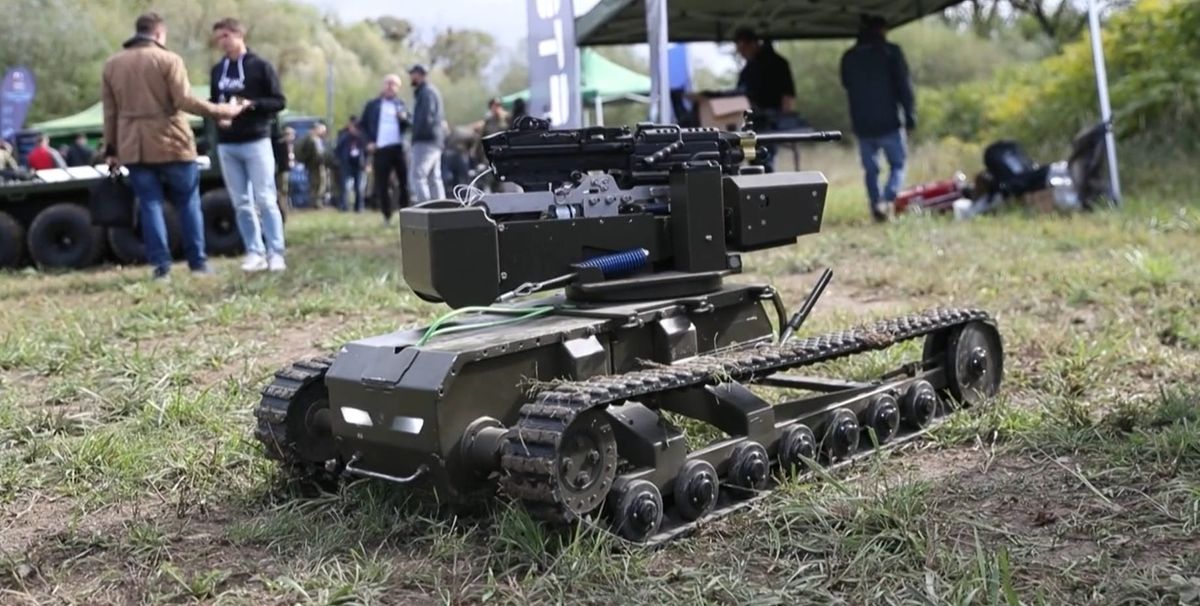
The Czech Army is testing new counter-drone technologies during Drone Shield 2026, a military experiment running from September 21 to 30 at the Březina training area. Around 600 personnel and 100 pieces of equipment are participating as the Czech Armed Forces evaluate technologies against rapidly evolving unmanned aerial threats.
The experiment focuses on technologies that could improve the Czech military's ability to detect, identify and defeat small unmanned aerial systems. The scenarios draw directly on lessons from the war in Ukraine, where inexpensive first-person-view drones, electronic warfare and increasingly autonomous systems have changed operations at tactical level.
Drone Shield 2026 also provides a testing environment for technologies developed by civilian companies, research organizations and military specialists before the Czech Armed Forces decide whether to move them toward operational use.
Czech Army targets FPV and fiber-optic drones
One of the central objectives is testing defenses against FPV drones, including systems controlled through fiber-optic cables.
Fiber-controlled drones have become a particular challenge because they do not depend on a conventional radio-frequency control link during flight. That makes traditional electronic jamming considerably less effective against them than against radio-controlled UAVs.
The Czech experiment therefore extends beyond electronic warfare alone.
Participating teams are evaluating combinations of detection systems, countermeasures and other technologies that could provide protection when disrupting the drone's radio link is not sufficient.
The Czech Armed Forces are also examining autonomous systems and artificial intelligence applications relevant to drone operations. The objective is to identify technologies that can realistically operate under battlefield conditions rather than evaluating individual products in isolation.
Drone Shield 2026 puts industry prototypes into military conditions
The Czech military has structured Drone Shield as an experimental event rather than a conventional exercise.
That distinction matters because companies and developers can expose prototypes and emerging technologies to realistic military requirements before the systems enter formal procurement programs.
Around 600 participants are involved, alongside approximately 100 pieces of military and experimental equipment. Testing takes place in the Březina military training area, allowing operators to evaluate systems under conditions that are difficult to reproduce at commercial demonstrations.
The Czech Armed Forces plan a dedicated media presentation on September 29, which should provide additional information about the systems being tested and their performance.
The results could influence future Czech counter-UAS requirements, particularly for protection of maneuver units, military installations and critical infrastructure.
Ukraine drives Czech counter-UAS requirements
The experiment reflects a broader shift across Central and Eastern European armed forces.
Ukraine has demonstrated that small drones can perform reconnaissance, targeting and strike missions at a scale that makes traditional air defense economics increasingly difficult. Armed forces therefore need inexpensive and distributed methods for detecting and defeating large numbers of small UAVs.
Fiber-optic FPV drones create an additional problem.
Because the operator maintains control through a physical fiber connection, conventional radio-frequency jamming cannot simply sever the command link. Defenders instead need other detection and defeat mechanisms, while maintaining conventional electronic warfare capabilities against radio-controlled systems.
The Czech Republic is approaching that problem through a combination of military testing and cooperation with domestic technology companies.
This also fits Prague's wider effort to accelerate adoption of unmanned and counter-unmanned technologies based on operational lessons from Ukraine.
Central Europe accelerates counter-drone investment
Drone Shield 2026 is taking place as neighboring Central European countries expand their own counter-UAS capabilities.
Poland is developing the SAN counter-drone system, built around 18 battery modules combining sensors, guns, missiles, interceptor drones and other effectors. The system is intended initially to reinforce protection of Poland's eastern border.
The Czech approach currently emphasizes experimentation with different technologies before committing to specific configurations.
That creates an opportunity for Prague to evaluate technologies against emerging threats such as fiber-controlled FPV drones before incorporating them into larger procurement programs.
The September 29 demonstration will be particularly important because it should provide greater visibility into which Czech and foreign systems have reached the testing stage.
Drone Shield 2026 therefore represents more than another military drone exercise. It is part of the Czech Armed Forces' effort to shorten the path between battlefield lessons, industrial development and deployable counter-drone capabilities.
Czech Drone Shield 2026: key questions
What is Drone Shield 2026?
Drone Shield 2026 is a Czech Armed Forces military experiment focused on drones, counter-UAS technologies, electronic warfare and related emerging capabilities. It runs at the Březina training area from September 21 to 30, 2026.
How many personnel are participating?
Approximately 600 personnel and 100 pieces of equipment are involved in Drone Shield 2026.
Is the Czech Army testing defenses against fiber-optic drones?
Yes. The experiment includes technologies intended to address FPV and fiber-controlled drones, which are particularly difficult to defeat through conventional radio-frequency jamming.
When will the Czech Army present the systems?
The Czech Ministry of Defense has scheduled a media presentation at the Březina training area for September 29, 2026. The event should provide additional details on participating technologies and the experiment.