EU Sanctions 826 Russian Defense Firms and 743 Executives
The EU has sanctioned 826 Russian defense companies and 743 executives in its largest-ever listing action, targeting missile, drone and military supply chains.

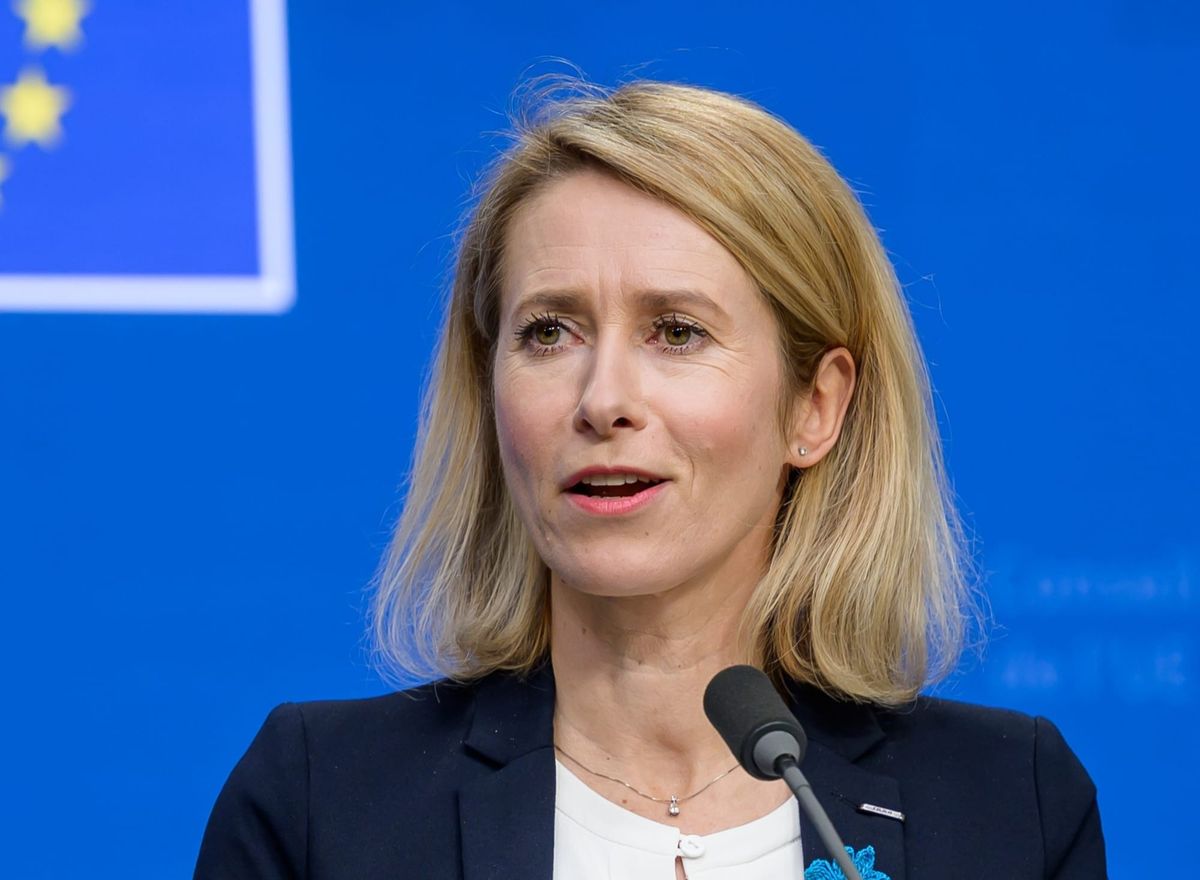
The European Union imposed sanctions on 826 Russian companies and 743 executives on October 12, 2026, in its largest single set of sanctions listings to date. The measures target companies and senior managers involved in supplying components for Russian missiles, drones and military aircraft, extending restrictions deeper into the country's defense-industrial supply chain.
The Council of the European Union said the 1,569 new listings bring the total under its Ukraine territorial integrity sanctions regime to nearly 4,600. The decision follows intensified Russian missile and drone attacks against Ukraine and reflects a broader effort to restrict the industrial networks sustaining Russian weapons production.
EU Targets Suppliers Behind Russia's Missile and Drone Production
Unlike earlier sanctions that prominently targeted major Russian defense contractors, the latest measures place particular emphasis on intermediate suppliers and component manufacturers. According to the Council, the companies covered by the new designations collectively generate at least €20 billion in annual turnover and employ more than 250,000 people.
The targeted businesses supply components and technologies used in advanced Russian weapons systems, including ballistic missiles, unmanned aerial vehicles and military aircraft. The EU identified several categories of equipment involved in these supply chains: semiconductors, microcircuits, computers, radar systems, antennas, transceivers, satellite and aviation equipment, explosives, ammunition, optical systems and navigation technologies.
EU foreign policy chief Kaja Kallas said more than half of the new listings concern the production chain for ballistic missiles. The emphasis indicates an attempt to restrict not only the manufacturers assembling complete weapons but also the specialized industrial networks that supply their essential parts.
Missile production depends on a broad range of industrial inputs, from precision electronics and guidance components to propulsion systems and specialized manufacturing equipment. Restricting individual producers and component suppliers could complicate procurement and financing, although the ultimate impact will depend on enforcement and Russia's ability to secure alternative suppliers.
Asset Freezes and Financial Restrictions Apply to Listed Companies
The new designations were adopted under the EU's existing sanctions framework addressing actions undermining Ukraine's sovereignty and territorial integrity.
Listed companies and individuals are subject to asset freezes, while EU operators are prohibited from making funds or economic resources available to them, either directly or indirectly. The 743 sanctioned executives are also subject to travel restrictions preventing them from entering or transiting through EU territory.
For European companies, the expanded lists create additional counterparty-screening requirements in business involving industrial technology, electronic components, machinery and other products that could enter military supply chains. Financial institutions, distributors and exporters may need to reassess existing relationships where counterparties or their ownership structures overlap with newly designated Russian businesses.
The designations do not constitute a blanket prohibition on every product associated with the targeted sectors. Instead, they impose restrictions on the listed persons and entities, alongside other EU sanctions and export-control measures that may already apply.
The distinction is important for companies managing international supply chains. A manufacturer may face legal restrictions arising from the identity of a customer or beneficiary even where the underlying product is not independently prohibited for export.
Sanctions Evasion Remains a Challenge for European Industry
The practical effectiveness of the new measures will depend partly on the ability of European authorities and businesses to identify indirect supply relationships.
Previous investigations have demonstrated how Russian defense manufacturers can obtain restricted industrial equipment through intermediaries, false end-user documentation and companies operating across multiple jurisdictions.
In August, AdriaDefense reported on an Austrian investigation into a €3.3 million procurement network that allegedly routed European industrial equipment to Russian defense manufacturers linked to Rostec. Authorities identified the use of intermediary companies and falsified documentation to move specialized machinery through international supply chains.
That case illustrates a broader enforcement problem. Adding manufacturers and executives to sanctions lists establishes new legal restrictions, but preventing prohibited transactions also requires screening distributors, beneficial owners, end users and commercial intermediaries.
For companies in Central, Eastern and Southeastern Europe, particularly those supplying industrial machinery, electronics or precision-manufacturing equipment, the expansion reinforces the importance of identifying the ultimate recipients of sensitive products.
Separate EU Decision Targets 77 Russian Election Participants
Alongside the defense-industrial listings, the Council adopted a separate sanctions decision concerning 77 individuals involved in Russian State Duma elections held in September 2026 in occupied Ukrainian territories.
Those designations cover 74 election candidates and three members of Russia's Central Election Commission. The EU considers the organization of Russian elections in occupied Ukrainian territory a violation of Ukraine's sovereignty and international law.
The separate decision explains why some earlier reporting referred to approximately 1,646 new sanctions listings. That combined figure includes the 1,569 defense-industrial listings and the additional 77 individuals sanctioned over the elections.
Enforcement Will Determine the Industrial Impact
The Council adopted the measures following calls by European leaders in June 2026 to increase economic and diplomatic pressure on Moscow. The latest decision broadens the number of Russian industrial suppliers and executives facing restrictions rather than introducing an entirely new sanctions framework.
Its potential impact lies in the scale of the targeted supplier network and the EU's effort to reach businesses supporting weapons production further down the industrial supply chain. The newly listed companies represent a substantial pool of industrial employment and turnover, although those figures do not establish how much of their business depends on international transactions or remains exposed to EU-controlled resources.
The relevant Council decisions and implementing regulations have been published in the Official Journal of the European Union, making the designated persons and entities identifiable for compliance screening.
The immediate question is how effectively the restrictions can disrupt access to financing, equipment and components without those transactions being redirected through alternative commercial networks.
Key Questions About the New EU Sanctions
How many Russian companies were sanctioned on October 12, 2026?
The EU added 826 Russian companies and 743 executives to its sanctions lists, a total of 1,569 individuals and entities associated with Russia's military-industrial complex.
Which military technologies are targeted?
The listed businesses supply components for missiles, drones and aircraft, including semiconductors, communications equipment, radar, optics, navigation systems, ammunition and other specialized technologies.
What restrictions apply to the sanctioned companies?
The measures include asset freezes and prohibitions on making funds or economic resources available to listed persons and entities. Sanctioned individuals also face EU travel bans.
Why have some reports mentioned 1,646 sanctions?
The higher figure combines the 1,569 military-industrial listings with a separate decision sanctioning 77 individuals connected to Russian elections in occupied Ukrainian territory.
Sources: Council of the European Union, October 12, 2026; Council Decision (CFSP) 2026/2279; Council Implementing Regulation (EU) 2026/2281.