FPV Drones Drive a New Phase of Military Modernization Across Europe
European armed forces are increasingly incorporating first-person view (FPV) drones into training, procurement, and operational planning. Lessons from recent conflicts have accelerated interest in low-cost unmanned systems capable of supporting reconnaissance and strike missions.

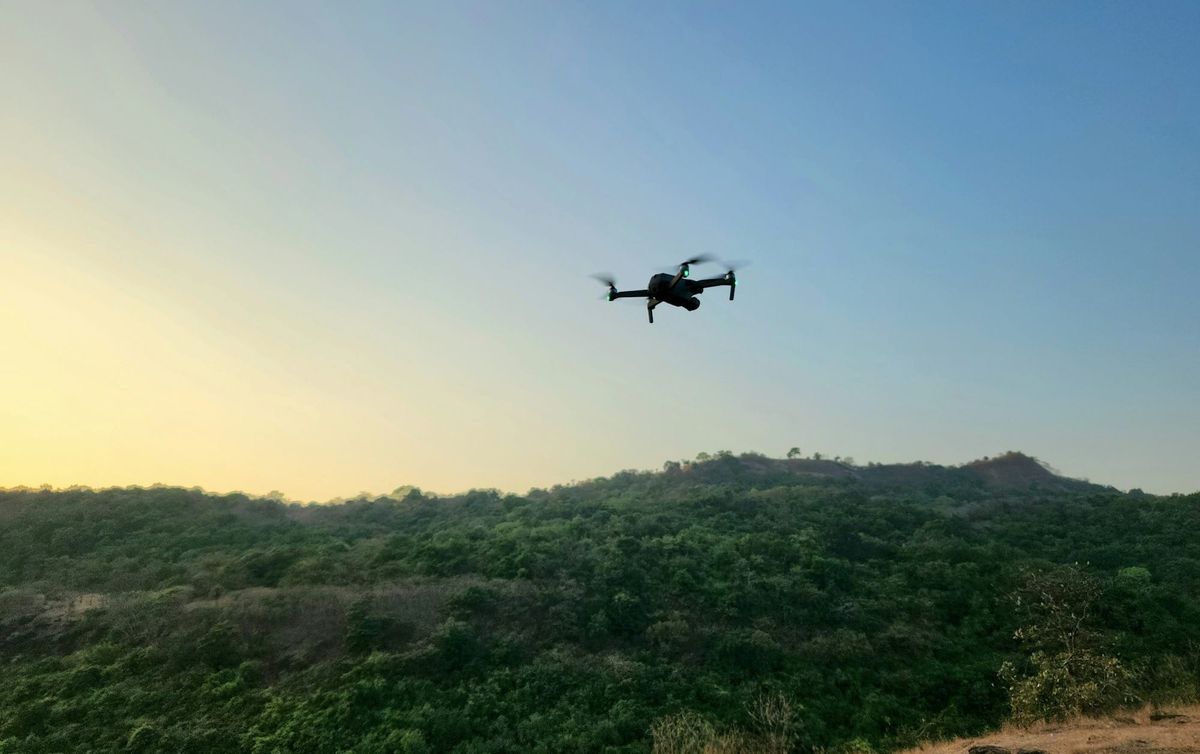
The rapid proliferation of first-person view (FPV) drones is reshaping military procurement priorities across Europe, prompting armed forces to invest in capabilities that were largely absent from defense planning only a few years ago. Once associated primarily with civilian hobbyist communities, FPV systems have become an increasingly important component of modern warfare due to their affordability, flexibility, and ability to deliver precision effects on the battlefield.
The conflict in Ukraine has played a significant role in accelerating this trend. Military planners across Europe have closely monitored the widespread use of FPV drones for reconnaissance, target acquisition, and strike operations, often at a fraction of the cost of conventional weapons systems. The experience has highlighted how relatively inexpensive platforms can influence tactical engagements and impose significant costs on opposing forces.
As a result, several European militaries are evaluating how FPV drones can be integrated into existing force structures. Efforts include the development of dedicated drone units, expanded operator training programs, and procurement initiatives focused on both expendable and reusable unmanned systems. In many cases, FPV capabilities are being viewed as a complement to traditional artillery, armored formations, and larger unmanned aerial platforms.
The growing demand has also created opportunities for Europe's defense technology sector. Established defense companies and emerging drone manufacturers are expanding their portfolios to address military requirements, including secure communications, electronic warfare resistance, autonomous navigation, and scalable production.
Among the companies active in this segment is Croatia's Orqa. Originally known for advanced FPV technologies and situational awareness systems, the company has expanded its defense activities in response to growing military demand for unmanned capabilities. The development reflects a broader trend in which European technology firms are adapting commercial expertise to support defense applications.
The FPV drone market is also driving increased cooperation between governments, armed forces, and industry. Defense ministries are seeking to accelerate procurement timelines while encouraging domestic production and reducing dependence on external suppliers. This approach aligns with wider European efforts to strengthen industrial resilience and secure critical defense technologies within the continent.
At the same time, the expansion of FPV capabilities is generating new operational requirements. Armed forces must invest not only in drones themselves but also in counter-drone systems, electronic warfare assets, secure communications networks, and training infrastructure. The ability to operate effectively in contested electromagnetic environments is increasingly viewed as a key factor in future military operations.
Looking ahead, FPV drones are expected to become a standard capability across European armed forces rather than a niche technology. As procurement programs mature and domestic production capacity expands, these systems are likely to play an increasingly prominent role in reconnaissance, force protection, precision strike missions, and battlefield awareness.
For Europe's defense industry, the rise of FPV drones represents more than a technological shift. It signals a broader transformation in how military capability is developed, acquired, and deployed in an era where speed, adaptability, and cost-effectiveness are becoming as important as traditional measures of combat power.