Gadfin Brings Hydrogen-Electric Cargo Drone to UVID 2026
Gadfin brought its Spirit One HD hydrogen-electric cargo drone to UVID 2026, highlighting autonomous logistics technology with potential dual-use applications.

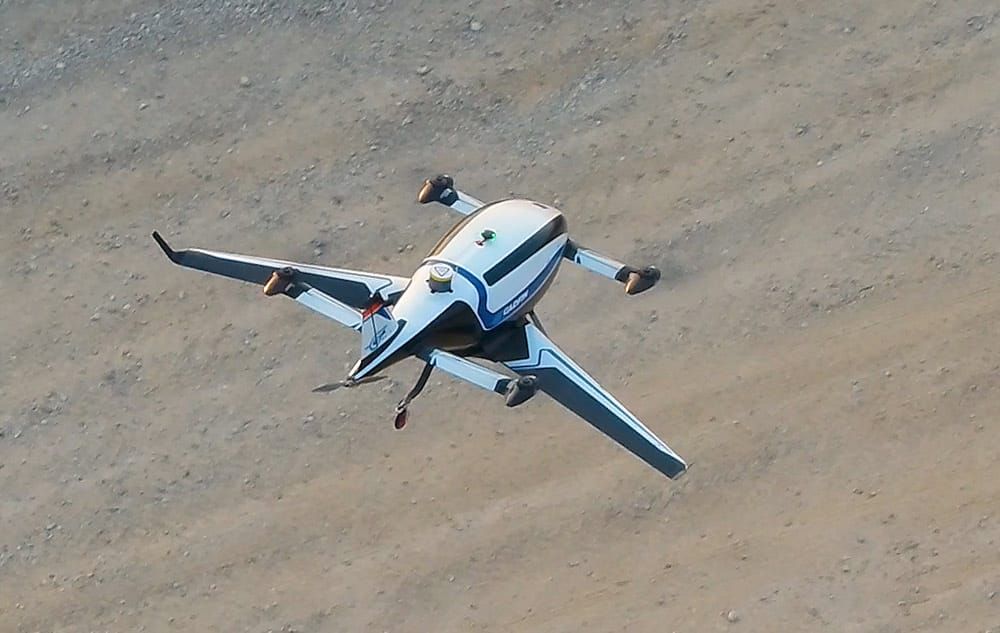
Israeli aerospace company Gadfin brought its Spirit One HD hydrogen-electric cargo drone to UVID DroneTech 2026 in Tel Aviv on November 12, using the exhibition as the venue for its announced first public presentation of the aircraft.
The Rehovot-based company is developing autonomous aerial logistics systems designed to transport time-sensitive cargo over long distances without requiring conventional runway infrastructure.
AdriaDefense Editor-in-Chief Daniel Opoku attended this year's UVID exhibition, which brought together companies working across military, commercial and dual-use unmanned technologies.
Gadfin's presentation highlighted one of the event's broader themes: the growing overlap between civilian autonomous aviation and potential military logistics applications.
Hydrogen-Electric Aviation
Spirit One HD is a vertical takeoff and landing aircraft powered by an electric propulsion architecture incorporating hydrogen fuel-cell technology.
The system is intended to transport urgent cargo such as medical supplies, blood products and other sensitive materials between hospitals, logistics centers and remote destinations.
Gadfin has developed a distinctive folding-wing configuration intended to combine the flexibility of vertical takeoff with the efficiency of fixed-wing flight.
The company is also developing automated ground stations that can support cargo loading, power management and remote fleet operations, reducing the need for personnel at individual delivery locations.
Gadfin announced the start of serial production activities for Spirit One HD in August 2026, ahead of planned commercial deployment and further operational testing.
Potential Defense Applications
Although Spirit One HD is primarily marketed for civilian logistics, autonomous cargo aircraft have potential relevance to military resupply and emergency response operations.
European armed forces increasingly require ways to move lightweight, time-sensitive equipment between dispersed locations without relying entirely on road transport or large conventional aircraft.
Hydrogen-electric cargo drones could offer additional options for selected logistics missions, although their operational suitability would depend on payload requirements, infrastructure, environmental conditions and survivability.
Gadfin has not announced a military procurement contract associated with the UVID presentation.
For the wider defense industry, the company's technology represents another example of civilian aerospace developments that may eventually find applications in military logistics and support operations.