Germany Bans Chinese Drones From Military Bases Over Espionage Concerns
Germany's Bundeswehr is removing Chinese-made drones from military facilities and restricting certain Chinese vehicles over espionage concerns, with European UAV suppliers expected to replace affected systems.

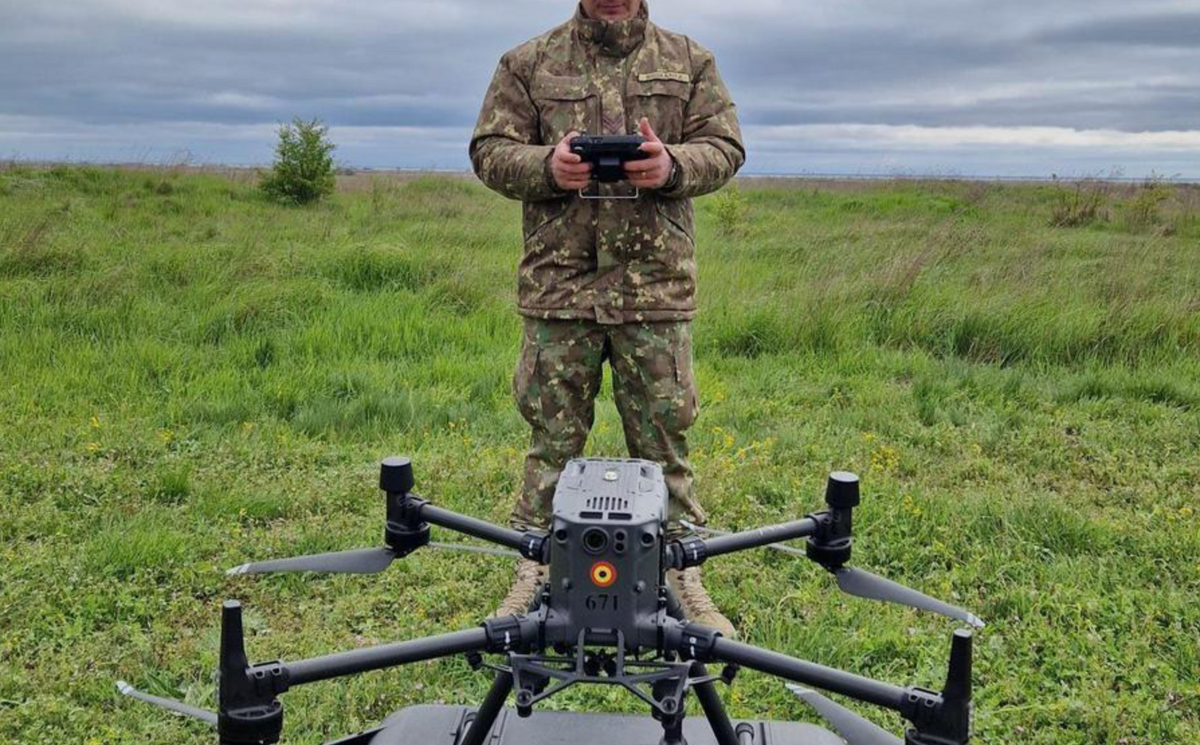
Germany's armed forces are removing Chinese-made commercial drones from military facilities and restricting certain Chinese vehicles amid concerns over potential intelligence collection. The decision also opens the door to European UAV suppliers.
Germany's Bundeswehr has ordered Chinese-made commercial drones to be withdrawn from use at military barracks and training grounds, reversing earlier procurement arrangements that allowed individual military units to purchase equipment from manufacturers including DJI.
The decision was reported by Der Spiegel on November 10 and subsequently covered by German media. A spokesperson for the German Defense Ministry confirmed that Chinese models would no longer be used and that existing systems would be replaced with German or other European alternatives.
The restrictions reportedly extend to certain Chinese-manufactured vehicles, which are no longer permitted to enter designated military areas.
How Chinese Drones Entered the Bundeswehr
Under a drone procurement strategy introduced in 2024, local commanders were permitted to purchase commercially available unmanned aircraft from a list of approved products. The list included several DJI models.
The approach enabled units to obtain relatively inexpensive drones for training without lengthy centralized procurement procedures.
However, purchases were handled at the unit level, and the Bundeswehr reportedly lacks a complete centralized inventory of the systems acquired. German media cited estimates that several thousand Chinese drones may have entered military use, although the Defense Ministry has not publicly confirmed the number.
The DJI Matrice M30T is among the models reportedly affected.
Military Intelligence Concerns
German authorities are concerned that cameras, positioning systems and communications technology integrated into commercial drones could expose sensitive information about military installations, exercises and weapons systems.
Modern connected vehicles present related concerns because onboard cameras, sensors and communications equipment may collect information about their surroundings.
However, German authorities have not publicly demonstrated that the affected drones transmitted classified military information to Chinese intelligence services. The restrictions are therefore best understood as preventive security measures rather than proof of confirmed espionage.
The decision also raises questions about procurement oversight and the management of commercially available technology inside military organizations.
An Opening for European Drone Manufacturers
The removal of Chinese systems could create additional demand for European manufacturers capable of supplying secure, affordable reconnaissance and training drones.
Potential requirements include controlled data storage, secure communications, clear software supply chains and integration with military information-security policies.
The challenge for European suppliers will be matching the affordability and operational maturity that made commercial DJI systems attractive to military users.
The development also highlights differing approaches to Chinese drone technology across European security institutions.
As AdriaDefense's investigation into police drones and counter-UAS systems in Central Europe documented, DJI aircraft remain part of several publicly identified European law-enforcement fleets, including in Austria and Poland.
Germany's latest military restrictions do not automatically apply to civilian police agencies or establish an EU-wide ban.
Nevertheless, the Bundeswehr's decision represents a significant shift toward treating the origin, connectivity and data security of even small commercial drones as military procurement considerations.