Hungary Turns to 50 Domestic Drone Firms for Military Modernization
Hungary is evaluating domestic drone and counter-drone technologies, including a laser system demonstrated against a target drone, as it seeks to reduce reliance on foreign suppliers.

Hungary is seeking to expand the role of domestic manufacturers in military drone procurement after inviting nearly 50 Hungarian companies to present their technologies at a two-day defense innovation event at the Várpalota military training ground.
The event, organized by the Defence Innovation Research Institute (VIKI), brought together companies developing unmanned aircraft, counter-drone systems and other military technologies. Defence Minister Romulusz Ruszin-Szendi and Chief of Defence General Zsolt Sándor attended demonstrations of equipment developed by Hungarian firms.
The ministry said the initiative is intended to identify technologies that could meet the Hungarian Defence Forces' operational requirements while reducing dependence on foreign suppliers. Officials also see opportunities to support domestic manufacturing and potentially establish export markets for Hungarian-developed systems.
Laser Weapon Demonstrated Against Drone
One of the event's most notable demonstrations involved a laser system used to destroy a target drone. Following the demonstration, Ruszin-Szendi said Hungary could have a domestically developed laser weapon capable of engaging different types of drones within approximately one year.
The demonstration also featured reconnaissance and interceptor drones, unmanned ground vehicles, autonomous flight technologies and electronic counter-drone systems. According to the ministry, one counter-UAS system demonstrated a stated operating range of 10 kilometers, while other equipment included surveillance platforms, drone swarms and remotely operated casualty evacuation vehicles.
The Defence Innovation Research Institute presented unmanned ground platforms designed to transport casualties and equipment, including larger vehicles capable of carrying payloads of several hundred kilograms.
Domestic Procurement and Industrial Development
The ministry indicated that the next stage will involve defining military requirements and identifying companies for potential purchases or joint development programs through VIKI.
No procurement contracts, order quantities or funding allocations were announced in connection with the event. The proposed introduction of the laser weapon also remains a ministerial target rather than a confirmed fielding schedule.
Alongside unmanned systems, Hungary is examining domestic production of military ready-to-eat meals. Nearly 18 Hungarian companies expressed interest in participating in this part of the initiative, which aims to reduce reliance on imported field rations.
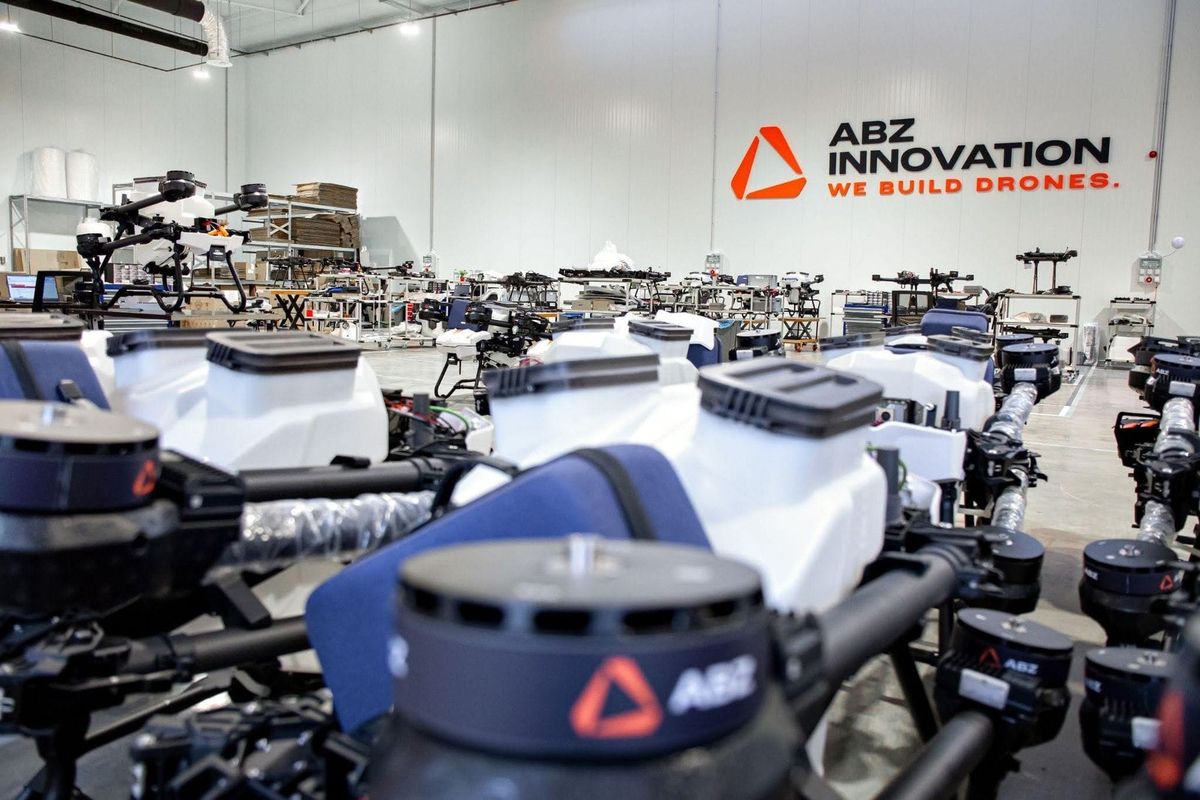
The new outreach comes as Hungary's domestic drone industry expands. In September, Hungarian manufacturer ABZ Innovation opened an expanded production facility in Szentendre with a stated potential capacity of up to 3,500 drones annually. That facility primarily serves civilian applications, and no connection to the Várpalota military demonstration has been confirmed.