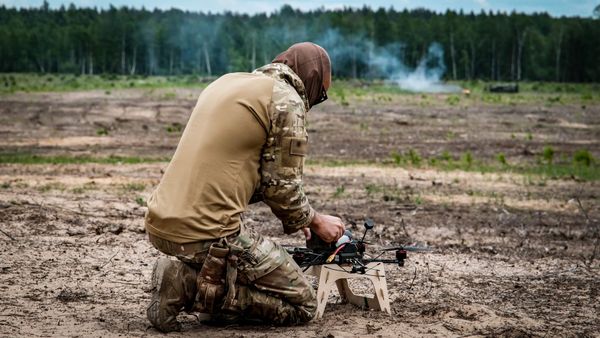
Lithuania Seeks to Integrate Finnish Total Defense Model
Lithuania plans to adopt elements of Finland’s total defense model to strengthen national resilience, civil preparedness, and military coordination amid growing regional security concerns.

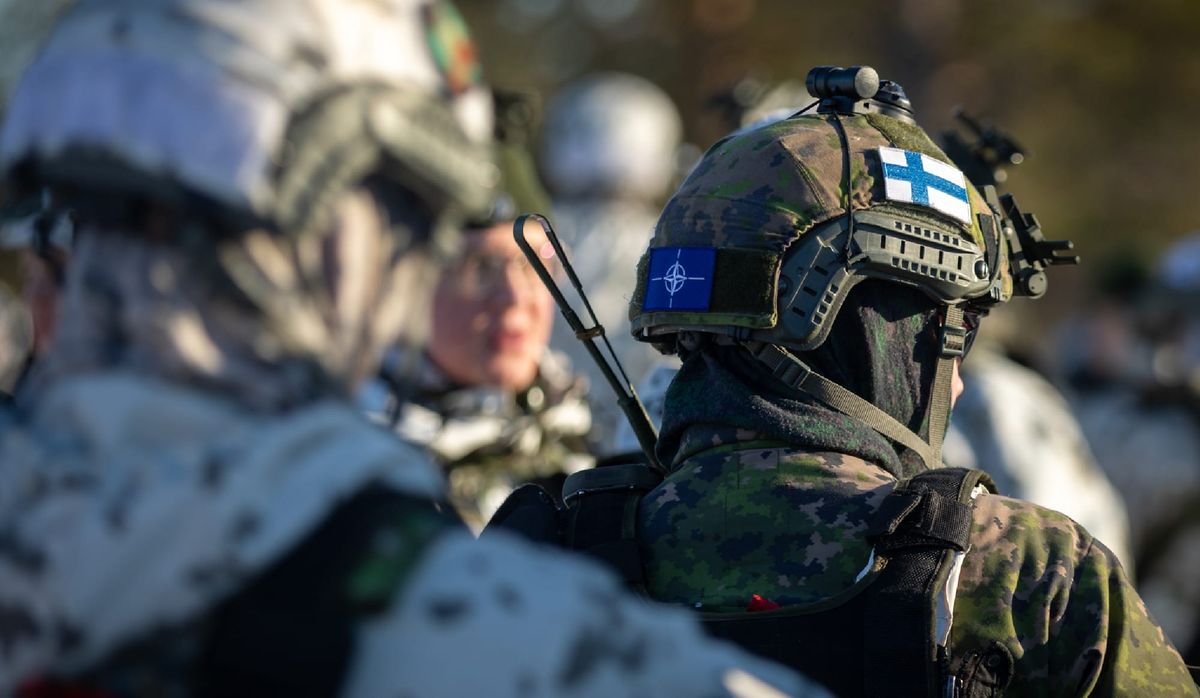
Lithuania is preparing measures to incorporate elements of Finland’s total defense model as part of broader efforts to strengthen national resilience and improve coordination between civilian institutions and the military.
Prime Minister Gintautas Paluckas said the government aims to adapt Finnish practices to Lithuanian conditions, particularly in the areas of crisis preparedness, infrastructure protection, and civil defense. Officials indicated that the initiative is intended to improve the country’s ability to respond to military and non-military threats.
Finland’s total defense concept is based on close coordination between government agencies, the armed forces, private industry, and civil society. The system is designed to maintain essential state functions during emergencies or wartime and has gained increased attention among NATO members following Russia’s invasion of Ukraine.
Lithuanian authorities stated that strengthening public preparedness and institutional coordination has become a strategic priority as regional security conditions continue to deteriorate along NATO’s eastern flank.
The government is also reviewing mechanisms for mobilization, continuity of critical services, and cooperation with municipalities and private-sector operators. Officials suggested that some measures could require legislative adjustments and additional investments in civil defense infrastructure.
Lithuania has significantly increased defense spending in recent years and accelerated military modernization programs focused on air defense, mobility, ammunition stockpiles, and host nation support capabilities for allied forces deployed in the Baltic region.
The planned adoption of selected Finnish practices reflects a broader trend among northern and eastern European NATO members seeking to improve whole-of-society preparedness against hybrid and conventional threats.