Poland Suspends Remaining MiG-29 Transfers to Ukraine Amid Bilateral Dispute
Poland has paused plans to transfer its remaining MiG-29 fighter aircraft to Ukraine following a dispute over access to Ukrainian drone technology. The decision comes as political tensions between Warsaw and Kyiv have intensified in recent weeks.

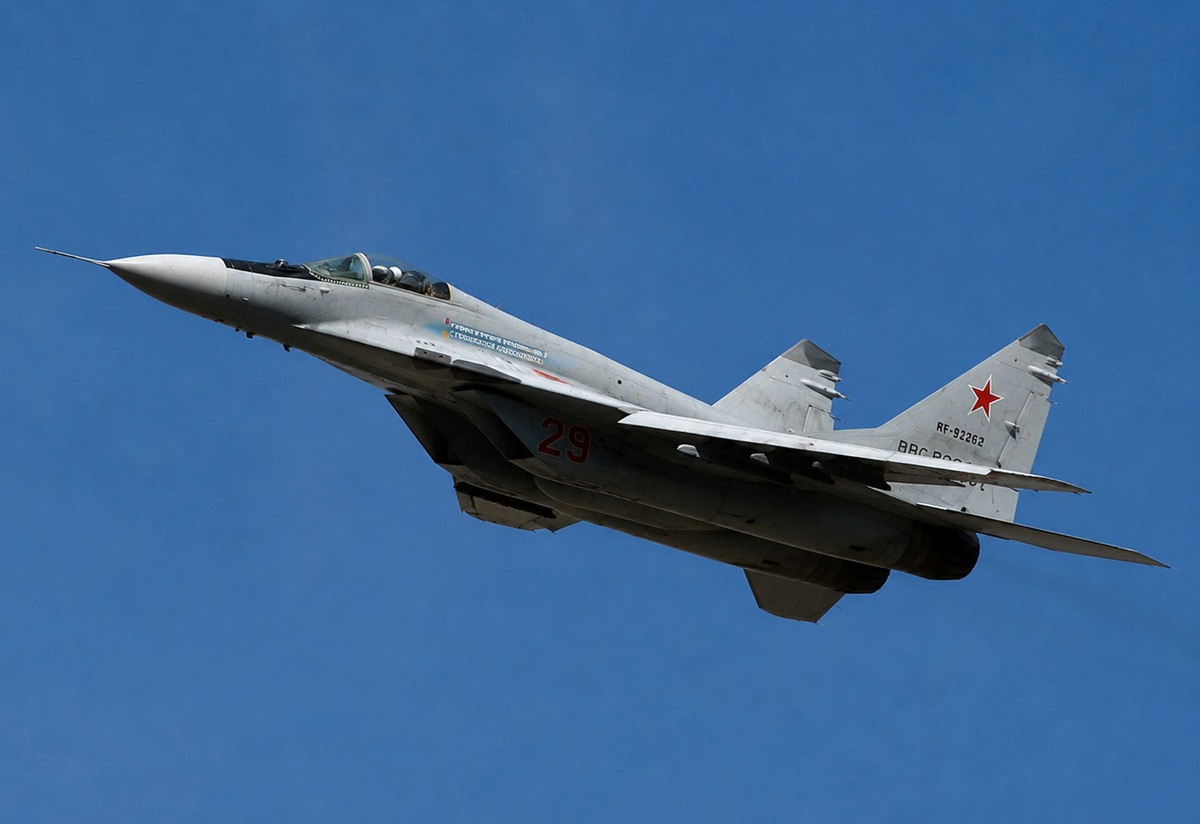
Poland has suspended the planned transfer of its remaining MiG-29 fighter jets to Ukraine, linking the move to an unresolved disagreement over cooperation on Ukrainian drone technology.
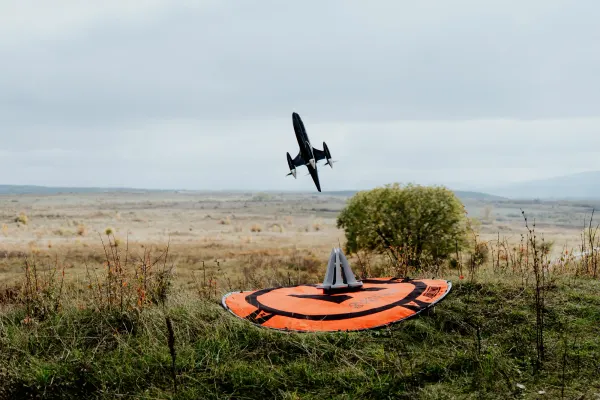
According to Polish officials, Warsaw expected broader access to Ukrainian expertise and technology related to unmanned systems as part of bilateral defense cooperation. However, the government said those expectations were not met, prompting the decision to halt additional aircraft deliveries.
The affected aircraft represent the last MiG-29s still in Polish service that had been considered for transfer to Ukraine. Poland was among the first NATO members to provide Soviet-designed fighter aircraft to Kyiv after Russia's full-scale invasion, allowing Ukrainian forces to integrate the jets with minimal additional training.
The suspension comes during a period of deteriorating political relations between the two neighboring countries. Recent disputes have extended beyond military cooperation and include disagreements over historical issues and broader bilateral relations, complicating coordination despite continued shared security interests.
For Ukraine, the delay reduces the prospect of receiving additional legacy fighter aircraft that remain compatible with its existing fleet. At the same time, Kyiv continues to transition toward Western combat aviation while maintaining Soviet-era platforms for operational requirements.
For Poland, the decision highlights that future military assistance may increasingly be tied to reciprocal industrial and technological cooperation rather than equipment transfers alone. Warsaw has invested heavily in modernizing its armed forces and expanding its domestic defense industry, while gradually retiring legacy Soviet-origin systems in favor of Western platforms.
The development underscores the growing importance of defense industrial collaboration alongside traditional military aid as European partners continue to support Ukraine while pursuing their own long-term modernization priorities.