Raytheon Explores German Production of SM-2 and SM-6 Missiles
Raytheon is exploring potential German industrial partnerships for SM-2 and SM-6 missile production as the company expands manufacturing capacity to meet military demand.

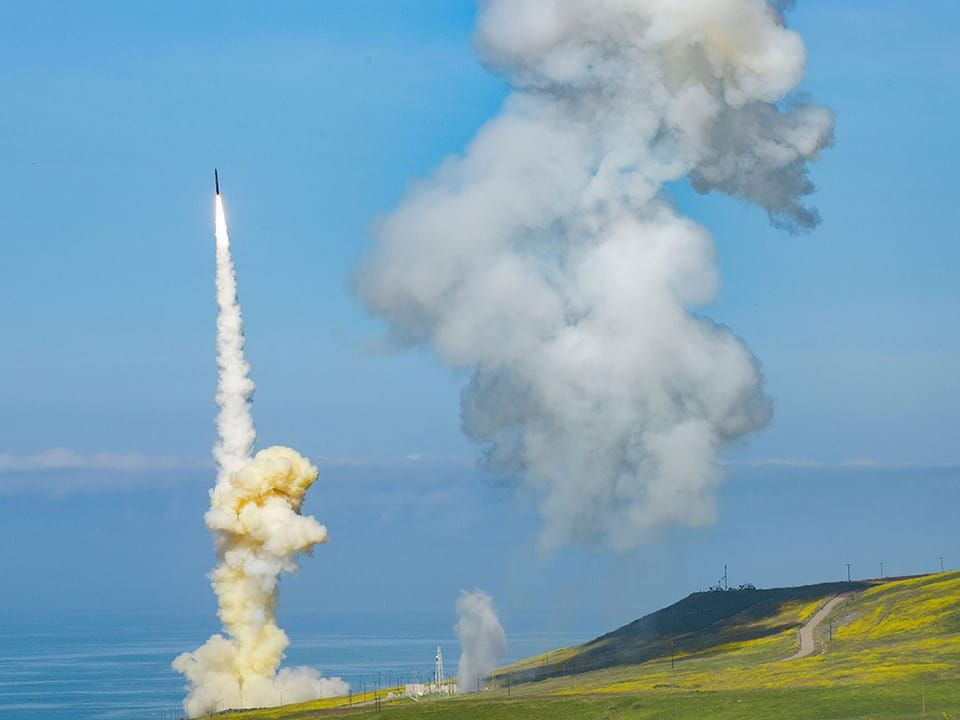
U.S. defense manufacturer Raytheon is examining opportunities to produce naval missiles in cooperation with German industrial partners as demand for advanced air defense weapons continues to increase.
The company is exploring potential European manufacturing arrangements for its Standard Missile family, including the SM-2 and SM-6, according to comments made by Raytheon executive Camille Wilson to German defense publication hartpunkt.
Wilson, Vice President for Requirements and Capabilities, Naval Power, discussed the initiative during the Berlin Security Conference in early November.
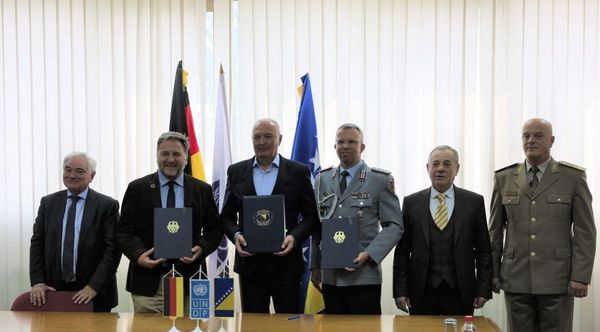
The discussions include industrial partners and government representatives from both Germany and the United States.
European Production Could Support Missile Supply
Raytheon is expanding missile production in the United States to respond to increasing military requirements.
However, the company is also examining whether production capacity in allied countries could support the manufacturing of selected missile systems.
The possible cooperation in Germany remains at an exploratory stage.
No production agreement, industrial partner or manufacturing site has been publicly confirmed for the SM-2 or SM-6 initiative.
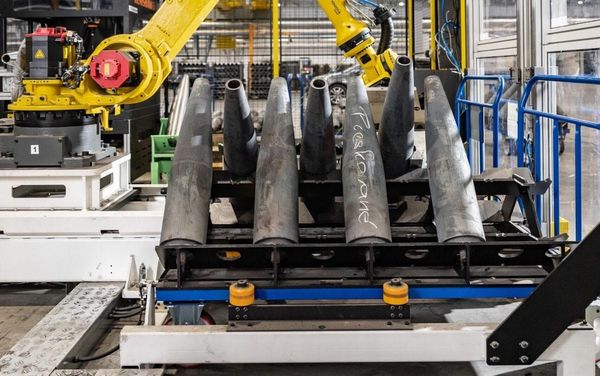
Wilson indicated that cooperation could take different forms, including the manufacture of selected components rather than complete missiles.
The company is also considering greater involvement of European suppliers in its missile production networks.
Existing Cooperation With Diehl Defence
Raytheon already has an established industrial relationship with German manufacturer Diehl Defence through the Rolling Airframe Missile (RAM) program.
The long-running U.S.-German cooperation provides a possible model for expanding transatlantic missile production.
RAM is designed primarily for the close-range defense of naval vessels against airborne threats, while the Standard Missile family supports broader naval air and missile defense missions.
SM-2 is used for fleet air defense, while SM-6 provides capabilities against aircraft, cruise missiles and certain ballistic missile threats. SM-6 has also been developed for surface strike missions.
According to Raytheon's official technical information, the SM-6 is deployed across multiple mission areas, including naval air defense, ballistic missile defense and anti-surface warfare.
Germany Could Become Part of a Wider Missile Supply Chain
The potential expansion reflects growing pressure on Western defense manufacturers to increase missile output and shorten production timelines.
European governments have been investing heavily in air defense systems, while manufacturers face the challenge of expanding production for sophisticated interceptors and guided weapons.
Raytheon's discussions could create opportunities for German suppliers involved in propulsion, electronics, guidance systems, precision manufacturing and final assembly.
The company has also explored the possibility of working with European partners on AMRAAM air-to-air missile production.
For now, the central development is Raytheon's interest in expanding industrial cooperation, not a confirmed decision to relocate or establish SM-2 and SM-6 production in Germany.
Any future arrangement would depend on commercial negotiations, government approvals and the allocation of manufacturing responsibilities between U.S. and European partners.