Saab Tests Its Own AI Fighter Pilot on Gripen E in Autonomous Air Combat Trials
Saab confirms its internally developed AI agents autonomously controlled Gripen E during beyond-visual-range air combat flight trials.

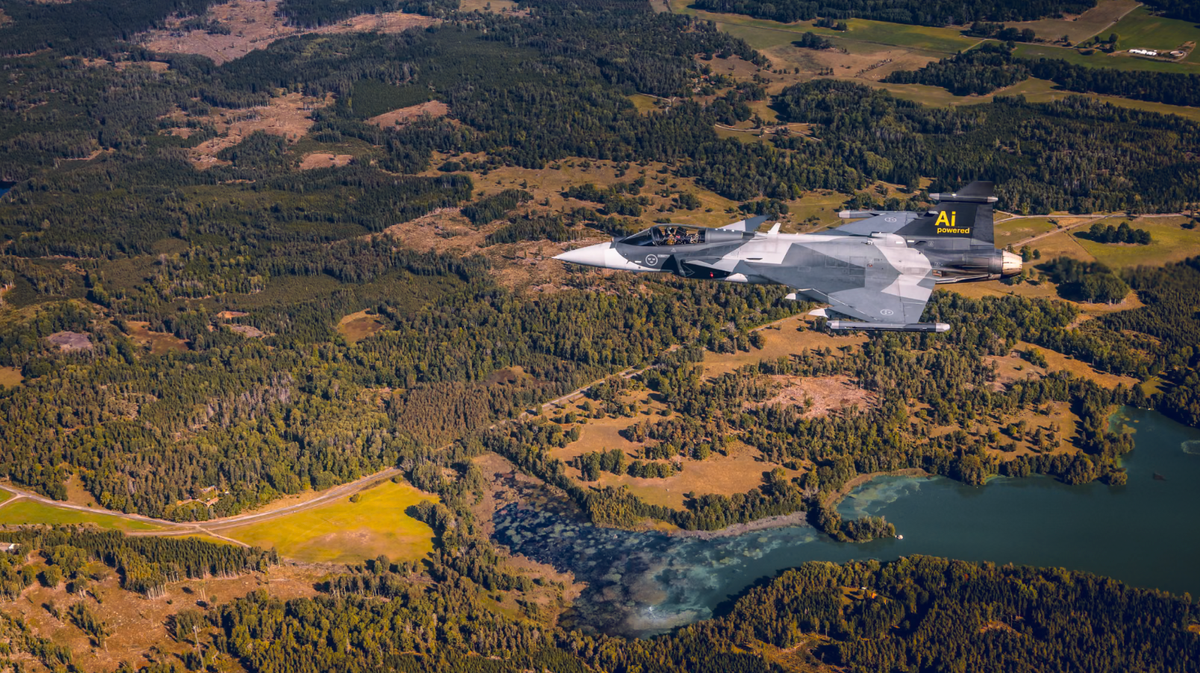
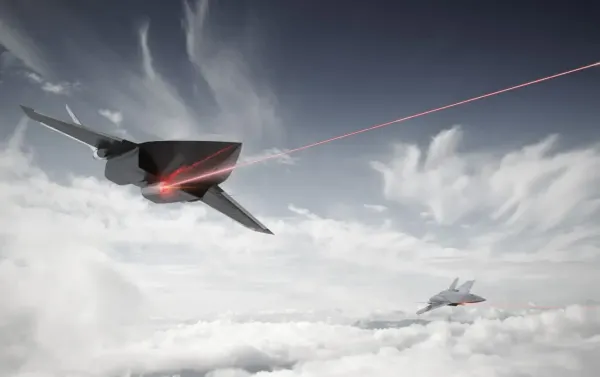
Swedish defense manufacturer Saab has successfully flown its own artificial intelligence agents aboard the Gripen E fighter aircraft, demonstrating autonomous aircraft control during beyond-visual-range air combat scenarios.
The company announced the development on November 3, confirming that its internally developed AI technology had progressed from simulation and laboratory testing to flight trials on an operational fighter platform.
The achievement forms part of Saab's wider effort to develop advanced combat aviation technologies that can support human pilots and eventually operate alongside them on unmanned aircraft.
AI Takes Control During Gripen E Flight Trials
During the trials, Saab's AI agent autonomously controlled the Gripen E in simulated air combat engagements conducted under real flight conditions.
The system was developed within the company's Advanced Programs organization, which is building a family of AI agents capable of supporting tactical decisions in complex operational environments.
Unlike projects that depend entirely on external AI developers, Saab says it has developed its own agents, training environments and supporting software tools. The approach gives the company direct control over the technology, including its testing, verification and future development.
The company has not disclosed the number of flight trials, the full operating envelope of the AI agents or their intended introduction date into military service.
Saab Establishes AI Fighter Pilot Academy
A central element of the development is Saab's AI Fighter Pilot Academy, a training and evaluation environment designed to prepare artificial intelligence systems for combat aviation.
The initiative uses millions of simulated flight hours to evaluate different tactical scenarios and train AI agents to make decisions under changing operational conditions.
Saab says beyond-visual-range combat has now been validated in actual flight testing. The company plans to expand the agents' capabilities through additional scenarios and platforms.
Peter Nilsson, head of Advanced Programs at Saab Aeronautics, said the company's ambition extends beyond individual aircraft to coordinated networks of crewed and unmanned systems.
Gripen E's software-defined architecture is central to this approach. It allows new software capabilities to be introduced and evaluated without requiring a separate experimental aircraft for every development effort.
Saab is also participating in Sferical AI, a Swedish initiative designed to provide sovereign computing infrastructure for advanced artificial intelligence development.
Implications for Future European Fighter Programs
The trials highlight an increasingly important distinction in combat aviation between autonomous technology demonstrations and AI capabilities that can be integrated into existing military aircraft.
For Saab, maintaining control over the software and training infrastructure could reduce dependence on outside technology providers and support future exports to countries seeking greater operational sovereignty.
However, successful autonomous flight trials do not mean that the AI agents have been cleared for operational combat missions. Further testing, safety validation and military integration would be required.
The development strengthens Saab's position in the emerging market for AI-assisted combat aviation as European armed forces explore how crewed fighters and unmanned platforms could operate together in future air operations.