Slovakia Takes Delivery of Barak MX, Advancing Air Defense Modernization
Slovakia has taken delivery of the Barak MX air defense system as part of its effort to modernize ground-based air defense. The system is expected to strengthen protection against a range of aerial threats.

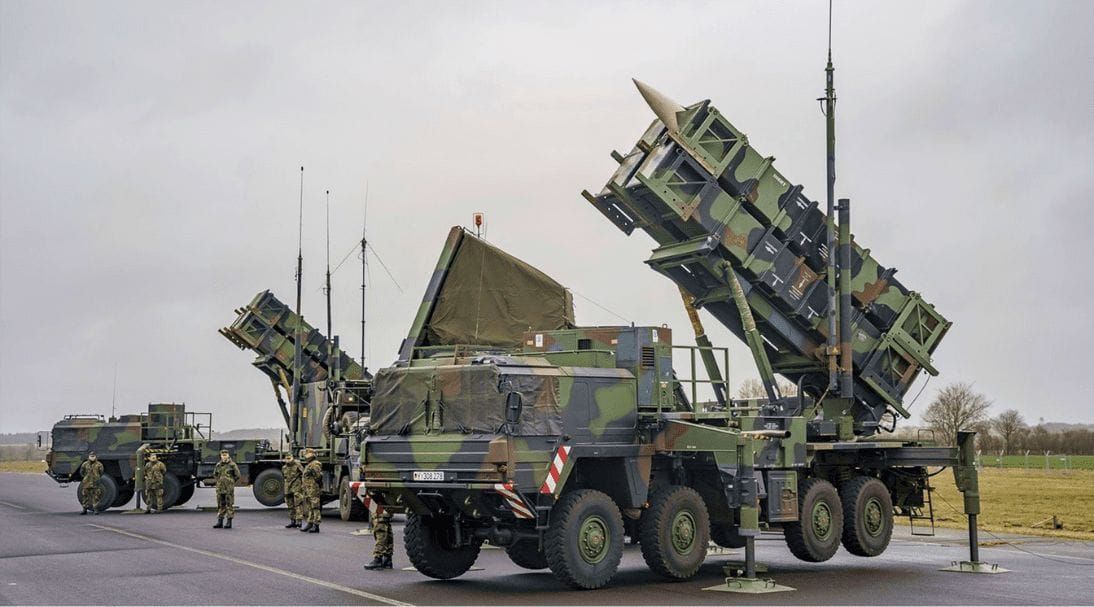
Slovakia has received the Barak MX air defense system, marking a key step in the country’s ongoing modernization of its air defense architecture. The system, developed by Israel Aerospace Industries, is designed to counter multiple aerial threats, including aircraft, unmanned systems, and precision-guided munitions.
According to available information, the delivery forms part of a procurement program aimed at replacing legacy Soviet-era systems and improving interoperability with NATO air defense networks. Slovak authorities have emphasized the need to enhance national and collective defense capabilities in response to evolving security conditions in Central and Eastern Europe.
The Barak MX system is a modular solution that integrates advanced radar, command and control, and interceptor missiles of varying ranges. This layered approach enables operators to address threats at different distances and altitudes, supporting both point defense and broader area coverage.
Industrial aspects of the program include cooperation between Israeli and Slovak entities, with local participation expected to support maintenance and lifecycle management. Such arrangements align with wider European trends toward strengthening domestic defense industry involvement in major procurement programs.
The introduction of Barak MX is also relevant for NATO’s integrated air and missile defense framework, as member states continue to upgrade capabilities and close gaps in short- and medium-range air defense. Slovakia’s acquisition contributes to a regional pattern of investments aimed at countering increasingly complex aerial threats.
Further details on operational deployment timelines and full system integration have not been disclosed, but the system is expected to enter service following testing and personnel training phases.