Ukraine’s Battlefield Technology Attracts European Interest Despite Wartime Constraints
European governments and industry are increasingly engaging with Ukraine’s battlefield-developed technologies. Wartime conditions continue to limit large-scale industrial cooperation and export pathways. The trend highlights Ukraine’s growing role as a source of operational innovation in defense.


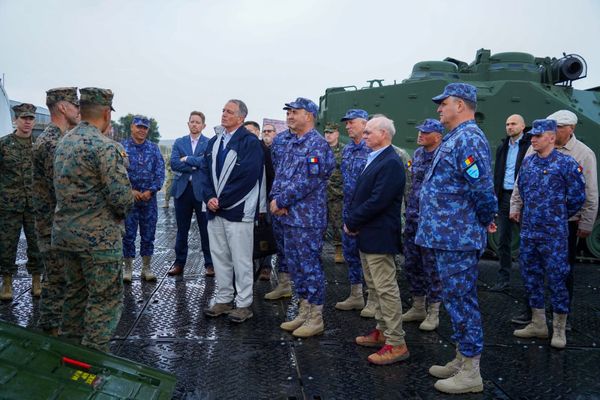
Ukraine’s defense technology sector is drawing increased attention from European governments and companies, driven by rapid battlefield-driven innovation since the start of the full-scale war. Systems developed and refined under combat conditions are being assessed for their potential relevance to European armed forces.
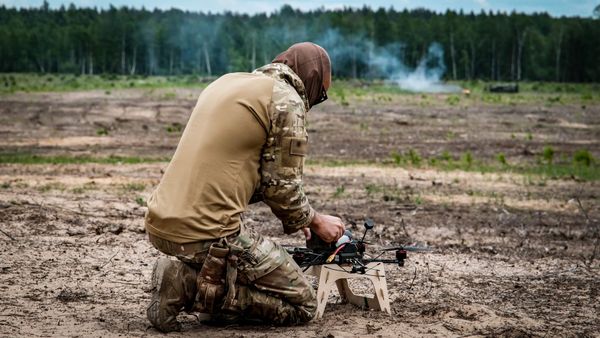
Areas of particular interest include unmanned systems, electronic warfare, and digital command solutions. Ukrainian developers have adapted quickly to evolving operational requirements, producing systems that emphasize cost efficiency, rapid deployment, and resilience against electronic interference. European stakeholders view these characteristics as increasingly relevant in the context of high-intensity conflict scenarios.
Despite this interest, wartime conditions impose structural limits on deeper cooperation. Industrial scaling remains constrained by security considerations, infrastructure risks, and prioritization of domestic military needs. Export mechanisms and intellectual property arrangements are also affected, complicating long-term partnership models between Ukrainian firms and European defense companies.
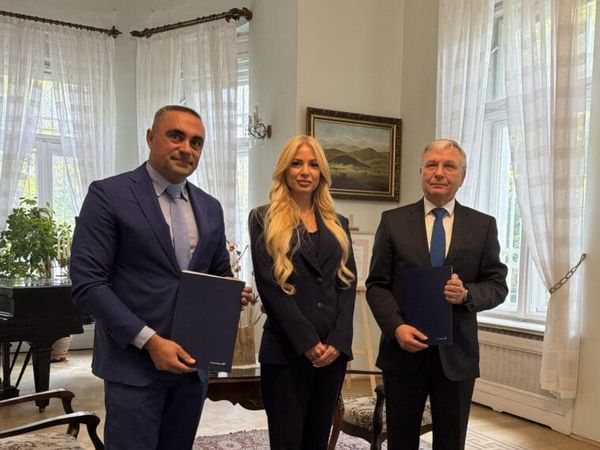
Officials and industry representatives indicate that engagement is ongoing through limited partnerships, testing initiatives, and informal exchanges. Some European companies are exploring ways to integrate Ukrainian-developed technologies into existing platforms or to co-develop systems once conditions allow for more stable production environments.
The situation has also prompted discussion within Europe about procurement agility and innovation cycles. Ukraine’s experience has underscored the importance of rapid iteration and frontline feedback, contrasting with longer development timelines typical of established European defense programs.
For NATO and EU member states, Ukraine’s battlefield innovation offers both opportunities and challenges. While the technologies provide insights into modern warfare requirements, scaling them into standardized, certifiable systems suitable for wider deployment remains a complex task.
Further developments in cooperation will likely depend on the evolution of the security situation, as well as regulatory frameworks governing defense collaboration with a country actively engaged in high-intensity conflict.