UK Invests £25 Million in Drones and Electronic Warfare for Forces in Estonia
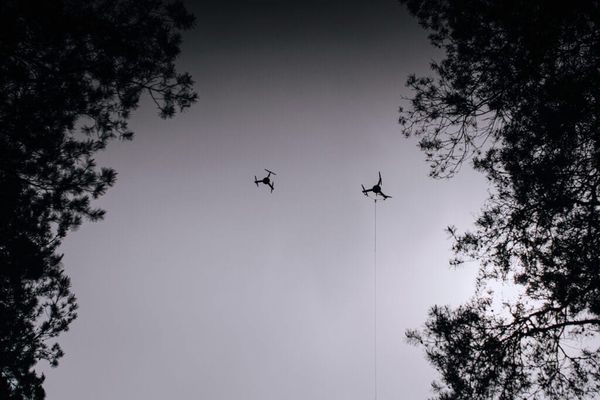
Britain is investing £25 million in attack drones, reconnaissance systems and electronic warfare equipment for forces supporting NATO’s eastern flank in Estonia, with new capabilities planned by April 2027.

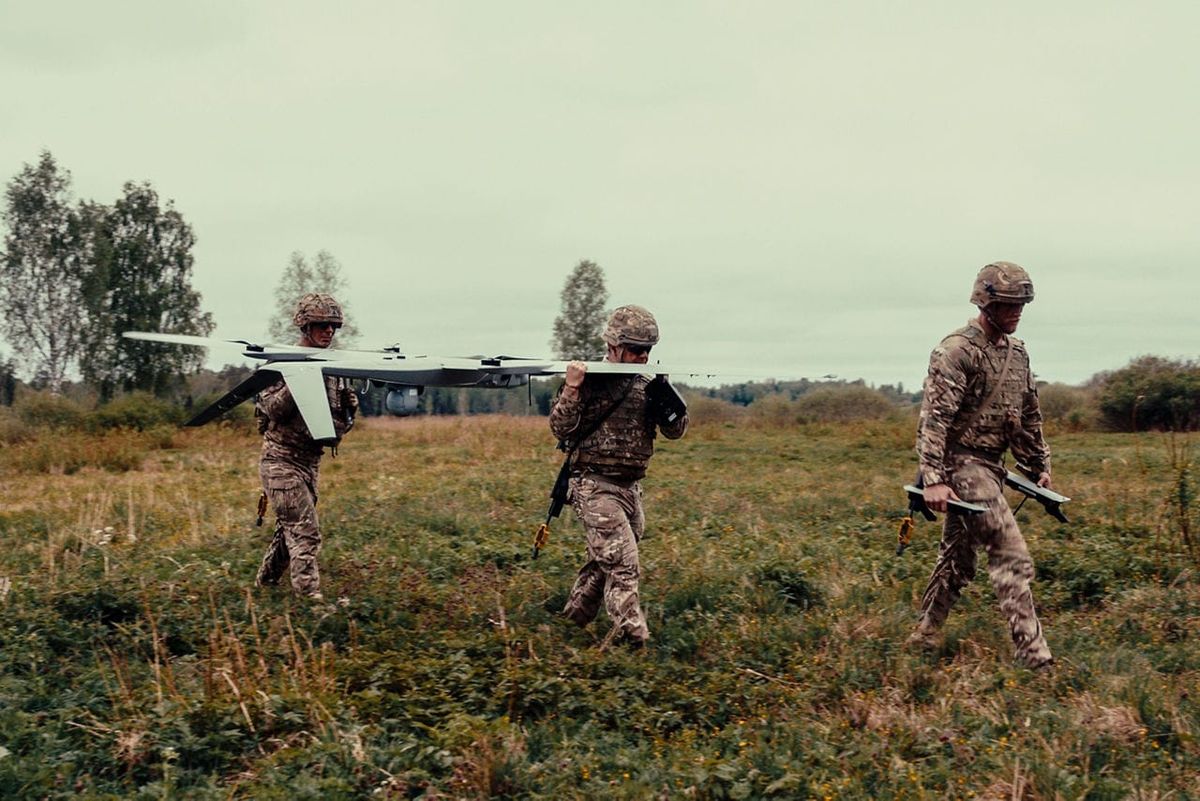
The United Kingdom has announced a £25 million investment in attack drones, reconnaissance systems and electronic warfare equipment for British forces supporting NATO’s eastern flank in Estonia, reflecting the growing importance of unmanned systems in European land warfare.
The funding, announced by the British Ministry of Defence on November 17, 2026, will provide hundreds of additional one-way attack and first-person-view (FPV) drones, alongside new counter-drone equipment and battlefield protection systems.
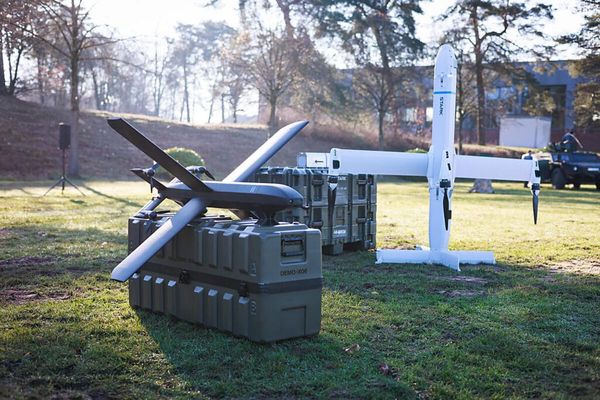
The investment will also double the number of intelligence, surveillance and reconnaissance (ISR) drones available to participating troops, improving their ability to identify and track potential threats.
The British Army’s 4th Light Brigade is expected to receive the new capabilities by April 2027, according to the Ministry of Defence.
Lessons From Ukraine Shape British Procurement
The equipment package reflects operational lessons from the war in Ukraine, where relatively inexpensive drones, electronic warfare and rapid target acquisition have transformed battlefield operations.
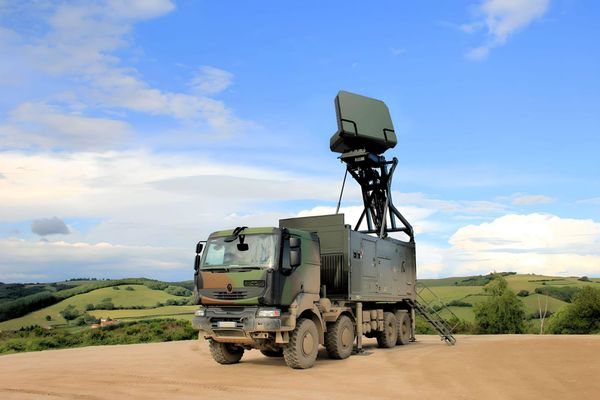
New counter-drone capabilities will include portable electronic warfare systems carried by individual soldiers and vehicle-mounted equipment designed to detect electronic signals and disrupt hostile unmanned aircraft.
The package also includes multispectral camouflage to reduce detection by thermal and other surveillance sensors, additional shotguns for close-range drone defense, and lightweight 4x4 vehicles to support dispersed military operations.
Together, these systems are intended to make British ground forces more mobile, better protected and less vulnerable to reconnaissance and attack.
The £25 million investment forms part of a larger £50 million allocation under Project RAPSTONE, which is intended to accelerate the introduction of new military capabilities.
Estonia at the Center of NATO’s Changing Land Strategy
The investment comes as the United Kingdom prepares to restructure its forward military presence in Estonia.
Under a defense roadmap signed in July 2026, British forces will transition toward a Mobile Anti-Armour Force from April 2027, replacing the existing armored battlegroup model with a formation emphasizing mobility, precision weapons and unmanned capabilities.
The planned restructuring will increase the British forward presence from approximately 800 to 1,200 personnel, while maintaining a reinforcement brigade at readiness in the United Kingdom.
These developments are part of a broader effort to strengthen NATO’s deterrence posture in the Baltic region, where the ability to detect threats and respond rapidly is increasingly central to military planning.
The British Army is also developing its reconnaissance-strike concept, connecting battlefield sensors, intelligence systems and precision weapons to shorten the time between detecting and engaging targets.
Implications for the Defense Industry
The investment reflects a broader shift in European defense procurement toward larger numbers of relatively affordable unmanned systems, supported by electronic warfare, communications and sensor technologies.
It also creates potential demand for manufacturers specializing in FPV drones, reconnaissance platforms, counter-UAS equipment and tactical mobility solutions.
However, the Ministry of Defence has not disclosed a complete list of manufacturers supplying the new equipment or detailed contract allocations.
The announcement therefore establishes the planned scope and funding of the capability package, rather than confirming that every system has already been delivered to units in Estonia.
For NATO’s eastern flank, the significance lies in the combination of additional drones, battlefield protection and faster reconnaissance-strike capabilities within a changing force structure.