Bosnian Armed Forces Receive High Preliminary NATO Ratings After Major Exercise
Around 1,200 participants took part in Bosnia and Herzegovina's largest military exercise of 2026, with NATO evaluators reporting strong preliminary results across seven operational capability areas.

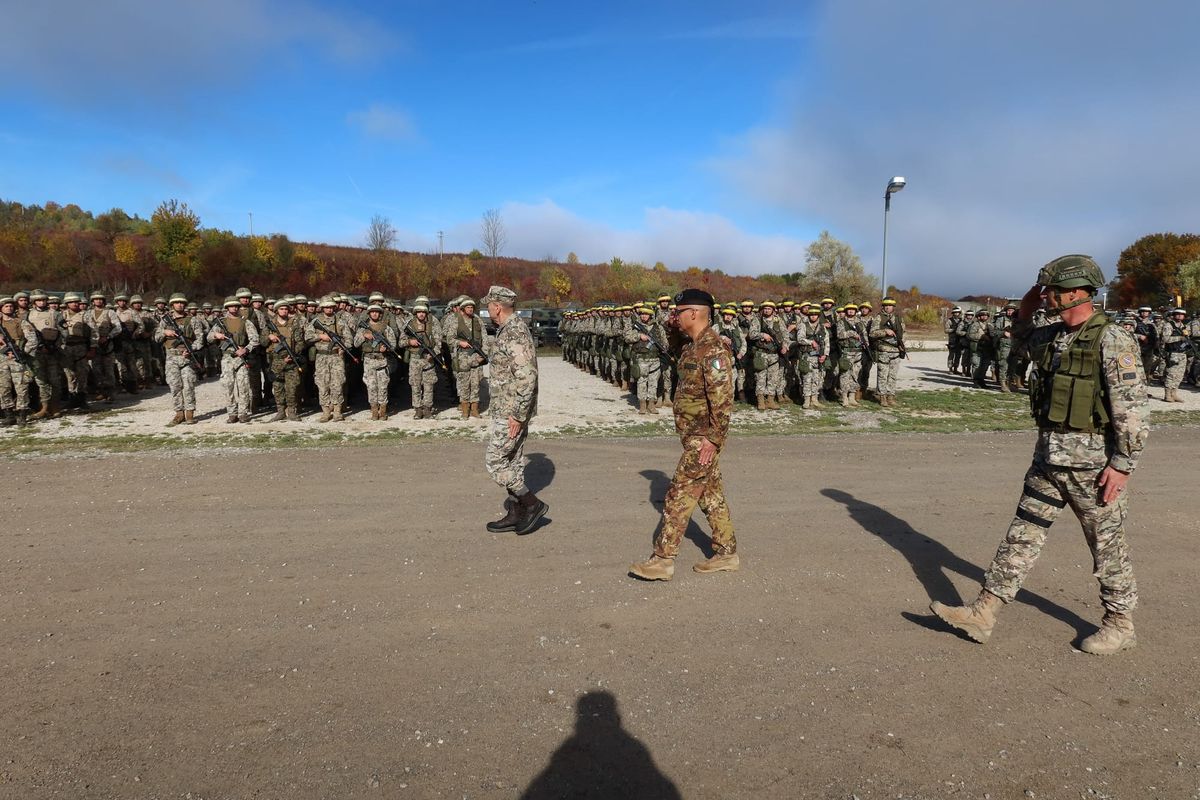
The Armed Forces of Bosnia and Herzegovina have completed their largest military exercise of 2026, receiving exceptionally high preliminary assessments from NATO evaluators across seven areas of operational capability.
The exercise, designated Immediate Response 26 (Trenutni odgovor 26), concluded on October 23 at the Manjača military training area near Banja Luka. Approximately 1,200 participants were involved, including personnel from designated Bosnian military units, exercise headquarters, NATO Allied Joint Force Command Naples (JFC Naples), and certified national evaluators.
According to Bosnia and Herzegovina's Ministry of Defense, the exercise was the country's most complex military training event of the year in terms of participating personnel, operational objectives and evaluation requirements.
NATO Evaluators Assess Seven Operational Areas
The exercise was designed to test the readiness and interoperability of Bosnian military units assigned to multinational operations and cooperation with NATO member states.
The assessment followed NATO's Operational Capabilities Concept Evaluation and Feedback framework (OCC E&F), examining seven areas: preparation, planning, operational execution, sustainability, command, control and communications, force protection, and information flow.
Participating units conducted simulated military operations under field conditions, while evaluators examined personnel readiness, equipment, operational procedures and the ability to coordinate with allied forces.
According to the initial report from the NATO evaluation team at JFC Naples, the participating units received exceptionally high preliminary assessments in all seven evaluation areas.
The results remain provisional, however, and require final confirmation by the responsible NATO evaluation authorities.
Armored Vehicles, Helicopters and Multinational Evaluators
The exercise ran from October 19 to 23, with approximately 881 personnel from designated military units and an additional 330 personnel assigned to exercise management and evaluation structures, according to earlier Ministry of Defense figures.
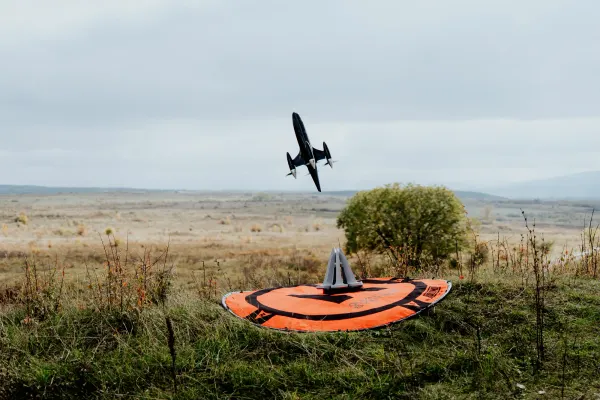
Equipment used during the exercise included armored personnel carriers, military medical vehicles and helicopters from the Armed Forces' Air Force and Air Defense Brigade.
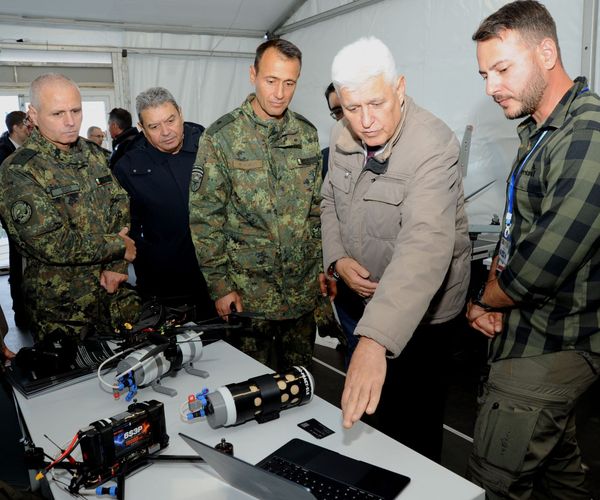
Bosnian Defense Minister Zukan Helez attended the exercise's visitors' day on October 22, when he highlighted the importance of NATO assessments in evaluating the country's military interoperability. He said the final evaluation process would take approximately 30 days.
Brigadier General Jasmin Čajić, the exercise director, reported that the activities had been conducted without security incidents. The evaluation process involved international and domestic teams, including Colonel Roberto Marciano, identified by the Bosnian Armed Forces as the senior NATO monitor.
Lieutenant General Gojko Knežević, Chief of the Joint Staff of the Armed Forces of Bosnia and Herzegovina, said the exercise appeared to have achieved its objectives but emphasized that the final assessment from national and international evaluators was still pending.
The results will help determine the readiness of Bosnia and Herzegovina's designated military units to operate alongside NATO forces and international partners.