CEE & SEE Defense Weekly Briefing: August 2–8, 2026
This week: what NATO's Baltic Drone Wall actually is behind the buzzword, Estonia's €2.34B SAFE loan, Zelensky's expected first visit to Belgrade, and Poland's deepening ties with Israeli defense industry.


Four stories defined Central, Eastern, and Southeastern European defense this week: the real anatomy behind the "Baltic Drone Wall" label, Estonia's largest single SAFE-backed procurement commitment yet, a possible first for Ukrainian-Serbian diplomacy, and Poland's accelerating pivot toward Israeli suppliers.
The Baltic Drone Wall is five programs wearing one name
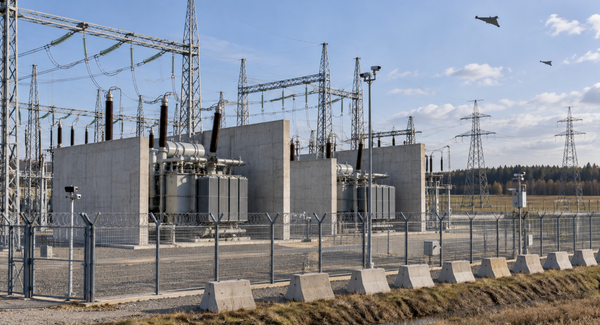
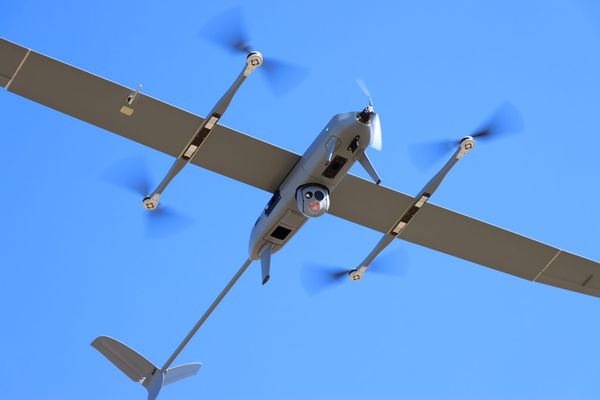
A stray drone that hit an empty Latvian fuel depot in May ended up toppling the government in Riga within eight days. That incident is now the anchor point for understanding why "Baltic Drone Wall" gets applied loosely to at least five separate efforts: NATO's Operation Eastern Sentry, the EU's EDDI and Eastern Flank Watch programs, the physical Baltic Defence Line, and a narrower Baltic-only counter-drone procurement push. None share a budget, a timeline, or even the same member list.
Why it matters: for companies chasing contracts, the actual counter-drone segment across Poland, Lithuania, Latvia, and Estonia runs at roughly one billion euros, a fraction of the 12.2 billion euros in broader SAFE-backed rearmament the three Baltic states are separately pursuing. Knowing which envelope a pitch belongs in is the difference between a real opportunity and a wasted one. Read the full breakdown
Estonia commits €2.34B in SAFE financing to air defense and Ukraine
Tallinn signed its full SAFE loan allocation with the European Commission on August 5, directing the funds toward air defense, military vehicles, ammunition, and unmanned systems, with a portion earmarked for drones destined for Ukraine. The government has not yet published a line-by-line breakdown of suppliers or quantities.
Why it matters: the loan follows Estonia's April cancellation of a roughly 500 million euro CV90 order in favor of air defense and counter-drone capability, a reallocation that already shaped its first IRIS-T SLM battery delivery in June. EU sourcing rules cap non-European content at 35 percent, which will steer the coming contracts toward European, Ukrainian, and Baltic-based suppliers. Read the full analysis
Zelensky reportedly set for his first visit to Belgrade
Ukrainian President Volodymyr Zelensky is expected to travel to Serbia in the coming days, according to German press reporting, which would mark his first trip to Belgrade since taking office and since Russia's 2022 invasion. Neither government had confirmed the visit at time of publication.
Why it matters: it would follow President Vučić's own trip to Kyiv weeks earlier and would mark the highest-level exchange yet between the two governments, even as Serbia continues to withhold support for EU sanctions on Russia. Watch for any announcements on trade or reconstruction cooperation. Read the full story
Poland deepens its Israeli defense procurement pipeline
Warsaw is expanding purchases from Israeli industry, adding coastal surveillance radars and Trophy active protection systems to its existing Spike missile acquisitions, with officials reportedly weighing an Israeli-inspired layered air defense architecture.
Why it matters: it is another data point in Poland's pattern of diversifying suppliers beyond its traditional American and European partners as its modernization program accelerates, alongside its parallel Patriot, Abrams, and K2 programs. Read the full story
Frequently asked questions
What was the biggest CEE and SEE defense story this week?
NATO's Baltic Drone Wall analysis was the week's flagship piece, mapping out how five overlapping programs, worth vastly different amounts of funding, ended up sharing one informal name after a government-toppling drone incident in Latvia.