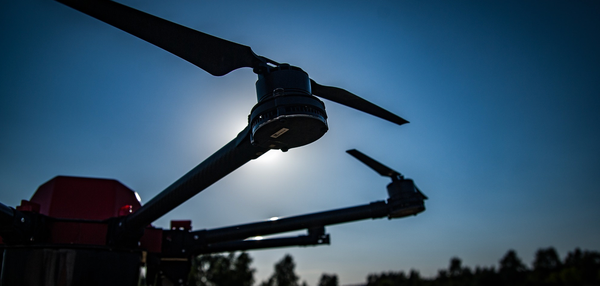
Croatia’s Orqa Introduces MRM2-10AI Tactical Drone for Electronic Warfare Environments
Croatian drone manufacturer Orqa has unveiled the MRM2-10AI, a tactical UAV designed for operations in electronically contested environments. The system combines hybrid communications, onboard computing, and autonomous capabilities to maintain effectiveness under jamming and GNSS disruption.


At Eurosatory 2026 in Paris, Croatian drone manufacturer Orqa presented the MRM2-10AI, a tactical unmanned aerial system developed to operate in environments where radio frequency interference, electronic attack, and satellite navigation disruption are increasingly common challenges.
The platform incorporates a hybrid communications architecture that combines the company's IRONghost radio control technology with integrated fiber optic connectivity. According to the manufacturer, operators can switch between communication methods without modifying the aircraft configuration, while an automatic failover function enables the drone to revert to radio control if the fiber optic link is interrupted.
A newly developed autopilot board supports a range of autonomous functions, including vision-based terminal guidance designed for operations in GNSS-denied environments. The system also supports computer vision applications, battlefield data processing, and collaborative operations involving multiple drones.
Orqa stated that the MRM2-10AI features an open software architecture that allows integration of customer-developed or third-party artificial intelligence applications. The platform is also compatible with ATAK, enabling integration with existing battlefield management and situational awareness networks.
The drone will be offered in multiple configurations, including variants equipped with thermal imaging payloads and enhanced onboard processing capabilities. The launch reflects growing demand among NATO and European armed forces for unmanned systems capable of maintaining operational effectiveness in heavily contested electromagnetic environments.
The announcement also highlights broader efforts by European manufacturers to strengthen supply chain independence and expand domestic production of tactical unmanned systems as defense procurement priorities increasingly focus on resilience against electronic warfare threats.