Czechia Proposes New Powers to Counter Drones Over Critical Infrastructure
Czechia is considering legislation allowing trained critical infrastructure personnel to neutralize unauthorized drones near protected airports and energy facilities.

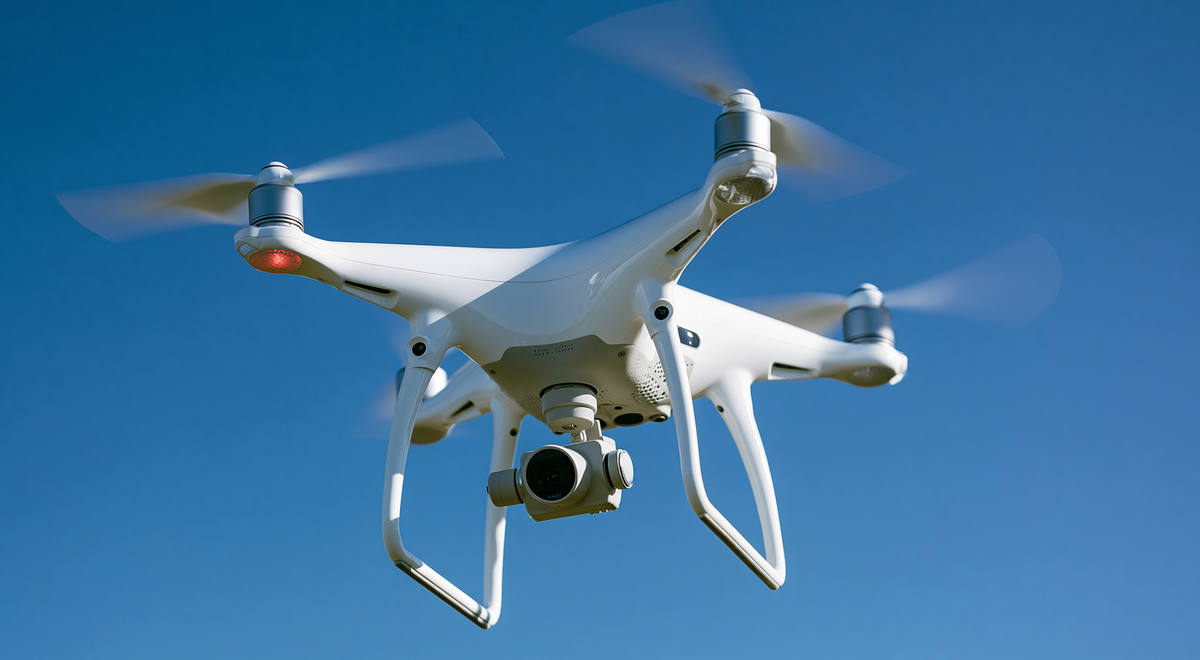
The Czech government is set to consider legislation that would allow trained personnel at critical infrastructure facilities to intervene against unauthorized drones, potentially including their destruction when other measures are insufficient.
The proposal, prepared by the Interior and Transport ministries, is scheduled for cabinet consideration on November 9. It would introduce a legal framework for protecting sensitive locations such as international airports, energy infrastructure and nuclear power plants.
The government initiative reflects growing concern across Europe about the ability of existing security services to respond quickly to unmanned aircraft entering restricted areas.
Critical Infrastructure Operators Could Receive New Powers
Under the proposed framework, eligible infrastructure operators would be able to request specially protected airspace around their facilities.
The Czech Civil Aviation Authority would be responsible for establishing these zones in coordination with other relevant authorities.
Authorized employees would need specific training and equipment before taking action against an unauthorized drone.
Where circumstances permit, personnel would first be required to warn the drone operator and request that the aircraft leave the protected airspace. Intervention would become possible if the warning was ignored or an immediate danger existed.
Destruction would remain a last-resort option rather than an automatic response to every airspace violation.
Intelligence Services and Emergency Responders Included
The legislation would also extend counter-drone intervention powers to intelligence services, the Prison Service and the General Inspectorate of Security Forces.
Firefighters could receive similar authority during rescue operations when a drone directly endangered emergency personnel or aircraft.
Existing powers held by police and military police would also be clarified or simplified.
Czech authorities argue that relying exclusively on police and military responders creates operational limitations because of the number of strategically important locations requiring protection.
The proposal would give selected facility operators an additional means of responding without waiting for a specialized government unit to arrive.
Importantly, the proposed law would establish an authority to intervene, not an obligation for every infrastructure operator to purchase expensive counter-drone equipment.
Europe Reconsiders Who Can Stop Unauthorized Drones
Czechia is not alone in examining a larger role for civilian infrastructure operators.
In September, AdriaDefense reported that Austria was considering similar powers for companies responsible for strategically important facilities.
Both proposals reflect the challenge of protecting airports, energy infrastructure and other sensitive installations from relatively inexpensive unmanned aircraft.
The Czech legislation would be particularly relevant to counter-UAS manufacturers, infrastructure security providers and operators evaluating detection and interception technologies.
However, the draft must still complete the legislative process. No new intervention powers for private infrastructure operators have entered into force as a result of the proposal.
The immediate next step is the government's November 9 consideration of the bill.