Delayed Wages at Slovak Defense Supplier Raise Questions Over Industry Labor Pressures
Employees at Slovak defense manufacturer Way Industries have reported delays in wage payments despite the company's involvement in a major military procurement contract. The case highlights growing labor and financing pressures within parts of Slovakia's rapidly expanding defense sector.

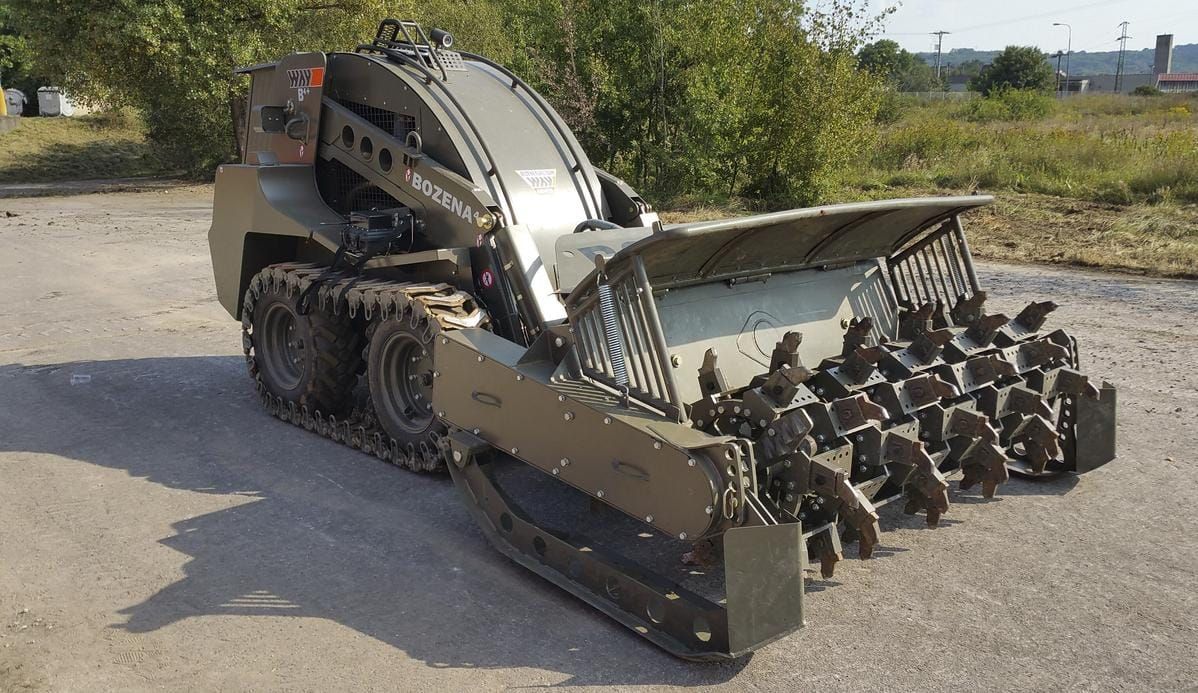
Workers at Slovak defense manufacturer Way Industries have reported delayed salary payments, raising concerns about financial and workforce stability at a company involved in a significant military procurement program.
According to local media reports, some employees said they had not received wages on time and were facing difficulties meeting everyday expenses. The situation has attracted attention due to Way Industries' role in supplying equipment under a defense contract reportedly valued at approximately €145 million.
The company operates in Slovakia's land systems and military vehicle sector and forms part of the country's broader defense-industrial base, which has experienced rapid growth in recent years amid increased European demand for military equipment and ammunition.
The reported wage delays come at a time when Slovakia's defense industry is benefiting from expanding procurement programs and higher production volumes. Government-backed modernization efforts and growing demand from European customers have generated substantial order books across several domestic manufacturers.
However, the Way Industries case illustrates that strong demand does not necessarily eliminate operational challenges. Defense manufacturers across Europe continue to face pressure related to workforce availability, supply chains, production scaling, and financing requirements as they seek to expand capacity to meet military orders.
Neither the reported wage issues nor their potential impact on ongoing defense programs appear to have altered Slovakia's broader industrial expansion plans. The country remains focused on strengthening domestic defense production capabilities while increasing participation in European defense initiatives and multinational procurement programs.
The development is likely to draw attention from both labor representatives and defense officials, particularly as European governments increasingly rely on industrial partners to deliver equipment under accelerated rearmament and modernization programs.