Donaustahl Targets Bundeswehr Drone Market With China-Free Technology
Germany's Donaustahl is developing China-free military drone technology for the Bundeswehr, with fully localized components targeted for early 2027.

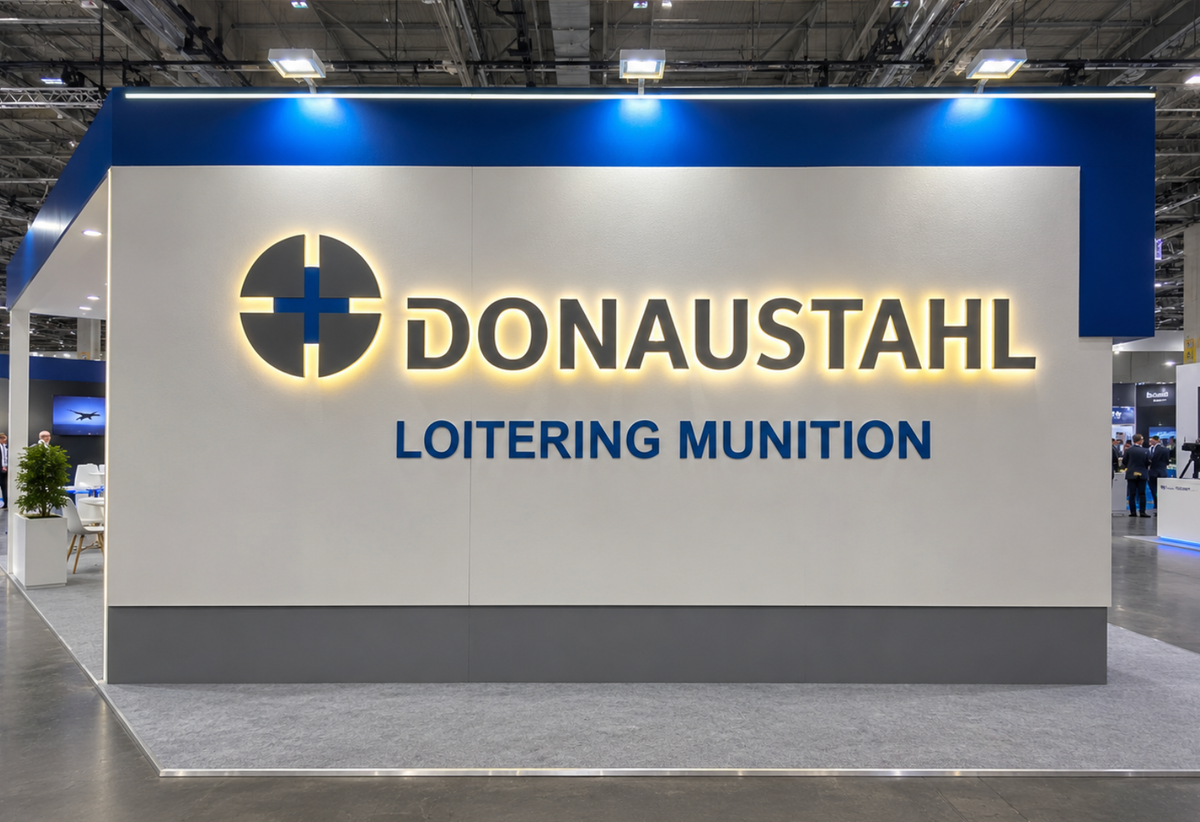
German defense technology manufacturer Donaustahl is positioning its domestically developed drone systems as an alternative to Chinese-made unmanned aircraft, following the Bundeswehr's decision to remove Chinese commercial drones from military facilities over security concerns.
In an interview published by German defense publication Defence Network on November 13, 2026, Donaustahl founder and CEO Stefan Thumann outlined the company's efforts to establish a German-controlled supply chain for military drones, avionics and propulsion systems.
Thumann said the company has spent the past two years developing a manufacturing network focused on German production and has already completed several projects with the Bundeswehr during 2026.
The remarks come as Germany reassesses the security risks associated with foreign-manufactured commercial drone technology.
Donaustahl Plans to Eliminate Remaining Chinese Components in 2027
A central part of Donaustahl's strategy is reducing dependence on Chinese electronics and components.
According to Thumann, the company has already replaced the last Chinese on-screen display chip used in an earlier version of its Combat Stack avionics architecture with a software-based solution.
However, its drones are not yet entirely free of Chinese components.
Donaustahl still relies on Chinese-manufactured motors for some systems and plans to replace them with domestically sourced alternatives as production increases during the first quarter of 2027.
The company expects that transition to eliminate the remaining Chinese components and supply-chain dependencies from the relevant drone architecture.
The development would address one of the principal challenges facing European unmanned aircraft manufacturers, many of which continue to depend on imported flight controllers, propulsion components and other electronics.
Thumann acknowledged that German-made systems cannot necessarily match the lowest prices offered by Chinese commercial drones. He argues that greater control over critical components provides benefits in supply security and information protection.
Hardware Encryption and Modular Production
Donaustahl is also developing a manufacturing architecture intended to make military drones easier to assemble and maintain.
Its Combat Stack integrates avionics and electronic control systems designed for modular production, with extensive use of plug-in connectors rather than conventional soldered assemblies.
Thumann said the company's drones can be assembled with minimal tools, making the design suitable for both automated manufacturing facilities and field-level maintenance.
The company also emphasizes hardware-based encryption and restricted physical access to sensitive onboard electronics.
These features are intended to reduce exposure to unauthorized data access and vulnerabilities associated with externally supplied components.
The security advantages remain manufacturer claims, and Donaustahl has not publicly provided independent testing results demonstrating that the systems are immune to data compromise.
Its product portfolio includes loitering munition platforms, military drone electronics and related defense technologies.
Bundeswehr Moves Away From Chinese Commercial Drones
The company's announcement follows a significant change in Germany's military procurement environment.
As AdriaDefense reported on November 11, the Bundeswehr is withdrawing Chinese-made commercial drones from military facilities and intends to replace affected systems with German or European alternatives.
The decision follows concerns about possible information-security risks associated with certain Chinese technologies.
Donaustahl could benefit from the resulting demand for domestic unmanned systems, particularly for military training and operational applications.
Thumann said the company's products are already being used in Bundeswehr exercises and that its existing production capacity could accommodate additional short-term requests.
However, no new Bundeswehr procurement contract was announced in the interview.
Procurement Delays Remain a Challenge
Despite growing demand for European drone technology, Thumann criticized the pace of German military procurement.
He pointed to the EULE procurement process, which had originally been expected in 2024 but only reached the tender stage in September 2026.
According to Thumann, lengthy administrative procedures remain poorly aligned with the speed of technological development observed in Ukraine.
The company also supports the concept of supplying modular drone kits that military units could assemble themselves, potentially reducing logistical complexity and some procurement costs.
Donaustahl's relationship with Ukraine has also attracted attention beyond industrial developments.
In August, AdriaDefense examined reported Russian intelligence threats against Thumann, highlighting the security risks faced by European defense entrepreneurs supplying Ukrainian forces.
With the Bundeswehr seeking alternatives to Chinese commercial drones, Donaustahl's approach could become increasingly relevant to Germany's domestic unmanned systems market.
Its ability to scale German-made components, secure procurement contracts and demonstrate competitive performance will determine whether that opportunity translates into sustained industrial growth.