Latvia Accelerates Eastern Border Counter-Drone Plans as Procurement Demand Expands
Latvia is preparing to strengthen counter-drone defenses along its eastern border following renewed security concerns linked to unmanned aerial activity near NATO territory.

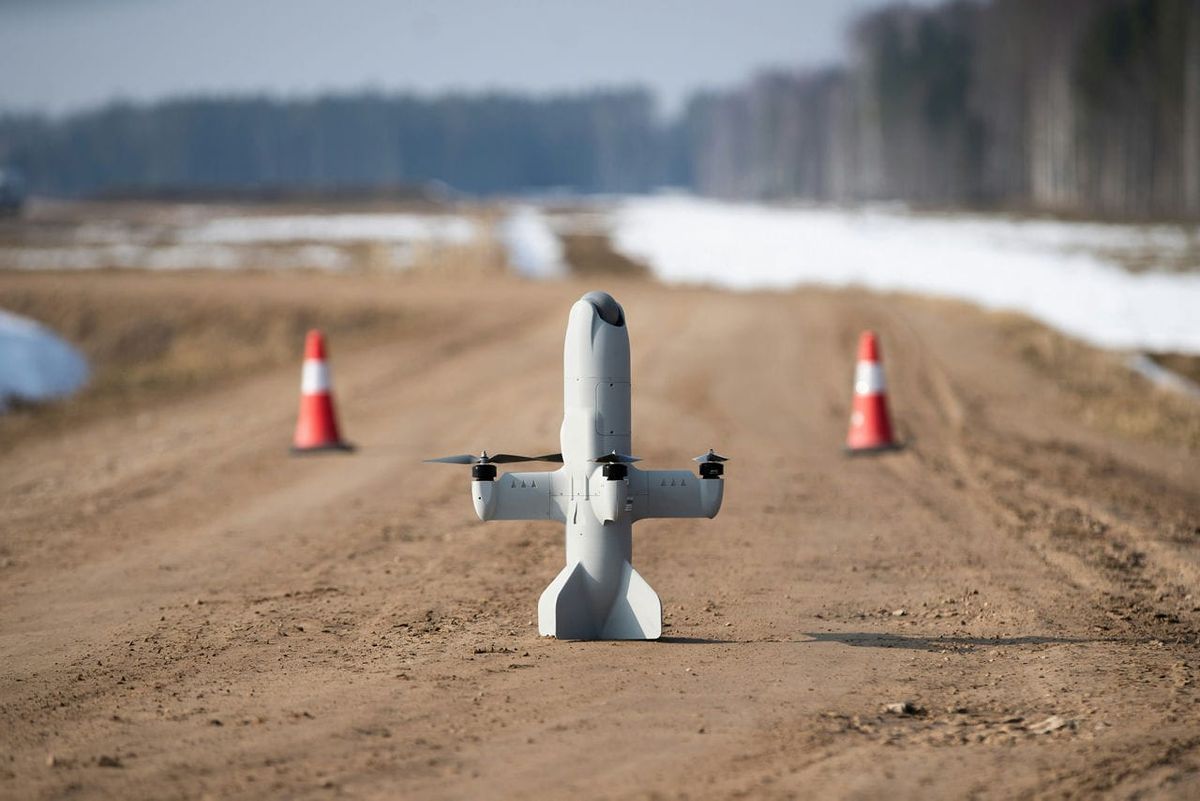
Latvia is expected to accelerate investments in counter-drone and border surveillance systems as national security officials call for stronger protection measures along the country’s eastern frontier.
According to statements from the chairman of Latvia’s National Security Committee, existing anti-drone capabilities require urgent reinforcement due to increasing regional security risks and the growing use of unmanned systems near NATO borders.
The issue has gained additional attention following multiple incidents across Eastern Europe involving unauthorized drone activity, electronic warfare disruptions, and airspace monitoring challenges linked to the war in Ukraine. Baltic states and other NATO eastern flank members have continued expanding investments in layered air defense and border monitoring infrastructure since 2022.
Latvian officials indicated that future measures could include expanded radar coverage, electronic warfare systems, signal jamming equipment, drone detection sensors, mobile counter-UAS platforms, and integrated command-and-control networks.
The planned modernization effort may create procurement opportunities for European and allied defense manufacturers active in the counter-UAS sector. Companies specializing in short-range air defense, passive surveillance systems, electro-optical sensors, and electronic warfare technologies are expected to benefit from rising demand across the Baltic region.
The Latvian government has already increased defense spending in recent years, with a strong focus on NATO interoperability, border security, and rapid-response capabilities. Riga has also expanded military infrastructure development and regional cooperation programs with neighboring Baltic and Nordic partners.
The growing emphasis on anti-drone defense reflects a wider trend across Central and Eastern Europe, where governments are adapting procurement strategies to address low-cost aerial threats, loitering munitions, and hybrid security risks.
Industry demand is likely to extend beyond major defense primes to include smaller European manufacturers developing portable counter-UAS systems, AI-supported detection software, radar technologies, and mobile interception solutions.
Regional procurement activity is also expected to support additional testing and deployment programs involving integrated air defense architecture along NATO’s eastern flank.
For defense manufacturers, Latvia’s accelerated requirements could represent a near-term market opportunity in one of Europe’s fastest-growing border security and counter-drone segments.