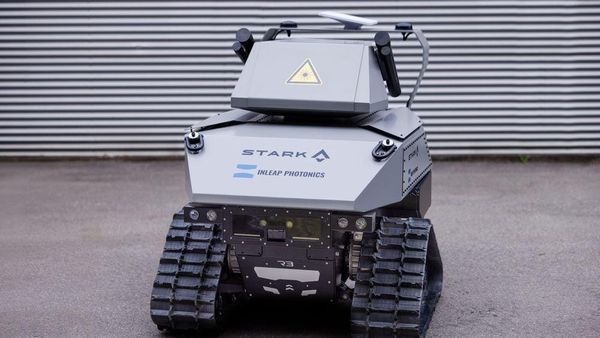
Lithuania Fast-Tracks Drone Interceptors and New Radars
Lithuania will fast-track interceptor drones and short-range and passive radars as Vilnius builds a lower-cost defense layer against small aerial threats.

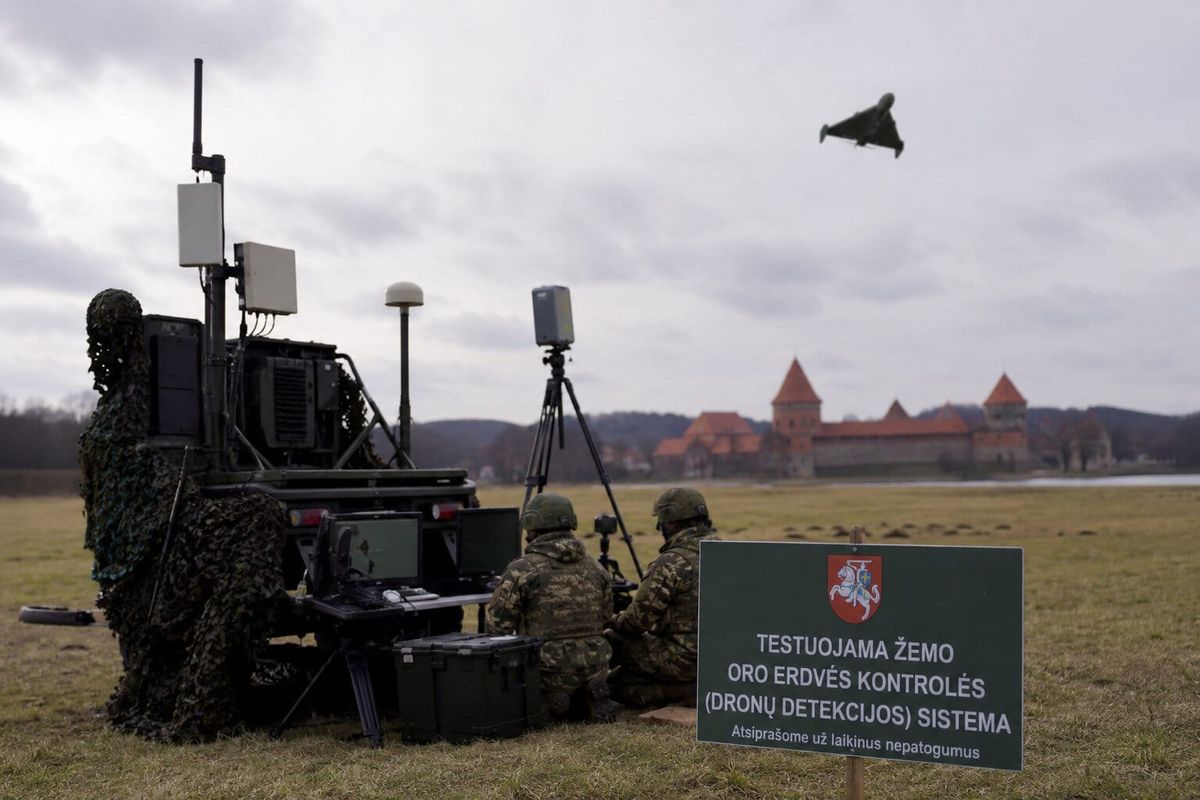
Lithuania will fast-track the acquisition of interceptor drones, short-range radars and passive radars as it strengthens defenses against small unmanned aircraft on NATO's northeastern flank. The Lithuanian government has authorized the Defense Resources Agency to procure the equipment without applying the standard defense and security public procurement requirements, the Ministry of National Defense announced on September 2.
The procurement will include trial batches of interceptor drones from multiple manufacturers rather than immediately selecting a single system for large-scale deployment. Lithuania plans to compare the technologies under operational conditions and assess their effectiveness and compatibility with systems already used by the Lithuanian Armed Forces.
Lithuania seeks lower-cost options against small drones
The procurement addresses a growing problem for European air defense networks: small, low-flying and relatively slow unmanned aircraft can be difficult for conventional surveillance systems to detect.
Using traditional surface-to-air missiles against such targets can also impose an unfavorable cost exchange. Lithuania therefore wants interceptor drones to form another layer of its air defense architecture, providing an alternative when a target does not justify the use of more expensive and complex air defense weapons.
The short-range and passive radars are intended to improve the Lithuanian military's ability to detect small aerial targets earlier, assess the threat and select an appropriate means of neutralization. The procurement also covers services needed to integrate the equipment into existing military systems and train personnel.
Defense Minister Robertas Kaunas indicated that Lithuania is deliberately prioritizing systems already tested in Ukraine. Vilnius plans to evaluate products from several manufacturers using different technological approaches instead of relying on price as the primary selection criterion.
Lithuania's Ministry of National Defense cited an adaptation cycle of approximately 2 to 8 weeks for drone and counter-drone technology based on experience from the war in Ukraine. That rapid cycle creates a procurement challenge because systems effective against current threats can lose part of their advantage as opposing forces modify tactics, frequencies, software and hardware.
Merops trial forms part of Lithuania's counter-drone buildup
The September 2 decision follows Lithuania's move in April to acquire a trial batch of the Merops AS-3 Surveyorcounter-unmanned aerial system from U.S. company Perennial Autonomy.
The Lithuanian government approved that planned acquisition on April 22, including training and system deployment work. Merops combines sensors, software and an interceptor drone to detect, track and neutralize unmanned aircraft and aerial balloons. Lithuania said at the time that the system had already been tested under combat conditions in Ukraine.
The trial was designed to evaluate the system under real operating conditions and determine its compatibility with Lithuania's existing air defense architecture and NATO systems. The new September procurement broadens that approach by allowing Lithuania to test interceptor drones from different manufacturers alongside additional radar capabilities.
The strategy indicates that Vilnius is building a counter-drone ecosystem rather than treating one interceptor as a complete solution.
Lithuania is also examining other short-range air defense options. In August, Vilnius discussed potential South Korean counter-drone and short-range air defense systems, including 30 mm to 40 mm anti-aircraft solutions, with delivery speed and possible industrial cooperation among the considerations.
Previous AdriaDefense coverage of Lithuania's South Korean air defense options: Lithuania Eyes South Korean Air Defense and Anti-Drone Systems
Baltic drone incidents accelerate air defense investment
Lithuania's procurement comes as NATO members along the Baltic and Black Sea regions adapt their air defenses to repeated drone incidents connected to the Russia-Ukraine war.
The operational problem extends beyond Lithuania. Romania and the Baltic states have faced drone incursions and other aerial incidents that require governments to distinguish between relatively inexpensive unmanned aircraft and threats that justify deploying fighters or conventional surface-to-air missiles.
Previous AdriaDefense coverage: Russian Drone Spillover Tests NATO Eastern Flank Defenses
Lithuania has already committed significant resources to conventional short-range air defense. In December 2025, the country signed a €320 million contract for Saab Bolide missiles for its RBS 70 systems, with deliveries scheduled between 2028 and 2032.
Previous AdriaDefense coverage: Lithuania Signs €320m Saab Bolide Missile Deal for RBS 70]
Poland, Lithuania, Latvia and Norway are also pursuing a multinational procurement of several thousand Piorun missiles under a framework exceeding PLN 8 billion net, adding another very-short-range air defense layer for the region.
The interceptor drone procurement fills a different requirement. Instead of using missile-based air defenses against every small unmanned target, Lithuania is seeking a scalable layer specifically optimized for drones and supported by sensors capable of detecting them.
That approach is increasingly visible elsewhere on NATO's eastern flank. Romania has integrated lower-cost drone interception capabilities, while Latvia is examining additional options for countering slow-moving unmanned aircraft.
NATO Drone Intercepts Expose Eastern Flank Air Defense Gap
Lithuania is building a layered counter-UAS architecture
Lithuania's September 2 decision does not identify the manufacturers, number of interceptor drones or radar models that will ultimately enter service. The ministry also has not disclosed the expected value of the accelerated procurement.
The use of trial batches suggests Vilnius intends to maintain flexibility while counter-UAS technology continues to evolve rapidly.
The resulting architecture could combine conventional short-range missile systems such as RBS 70 and Piorun with interceptor drones, passive and active sensors, electronic warfare and other counter-UAS capabilities. Lithuania has already stated that approximately one quarter of its 2026 acquisition budget is being directed toward air surveillance and air defense.
For NATO's northeastern flank, the procurement reflects a broader shift from relying primarily on air policing and conventional missile defenses toward a more layered structure capable of handling inexpensive unmanned threats at sustainable cost.
Questions about Lithuania's drone interceptor procurement
What counter-drone systems is Lithuania buying?
Lithuania plans to acquire trial batches of interceptor drones from multiple manufacturers together with short-range and passive radars. The government has not disclosed the manufacturers or quantities covered by the September 2 decision.
Why is Lithuania buying interceptor drones?
Interceptor drones provide a specialized option for neutralizing small unmanned aircraft without necessarily using more expensive conventional air defense missiles. Lithuania also wants additional sensors capable of detecting small and low-flying aerial targets.
Is Lithuania already buying the Merops counter-drone system?
Lithuania approved plans in April 2026 to acquire a trial batch of the Merops AS-3 Surveyor system from U.S. company Perennial Autonomy. The package includes training and integration work, and Lithuania intends to evaluate its effectiveness and compatibility with existing systems.
How does the procurement fit into Lithuania's air defense strategy?
The interceptor drones and radars will supplement rather than replace conventional air defense. Lithuania is developing a layered architecture that can use different sensors and effectors depending on the type and value of the incoming aerial threat.