Lithuanian Initiative Turns Old Smartphones Into Drone Sensors
A Lithuanian civic technology project is building a distributed acoustic network from unused Android smartphones. The system is intended to provide an additional warning layer against low-flying drones, including Shahed-type platforms.

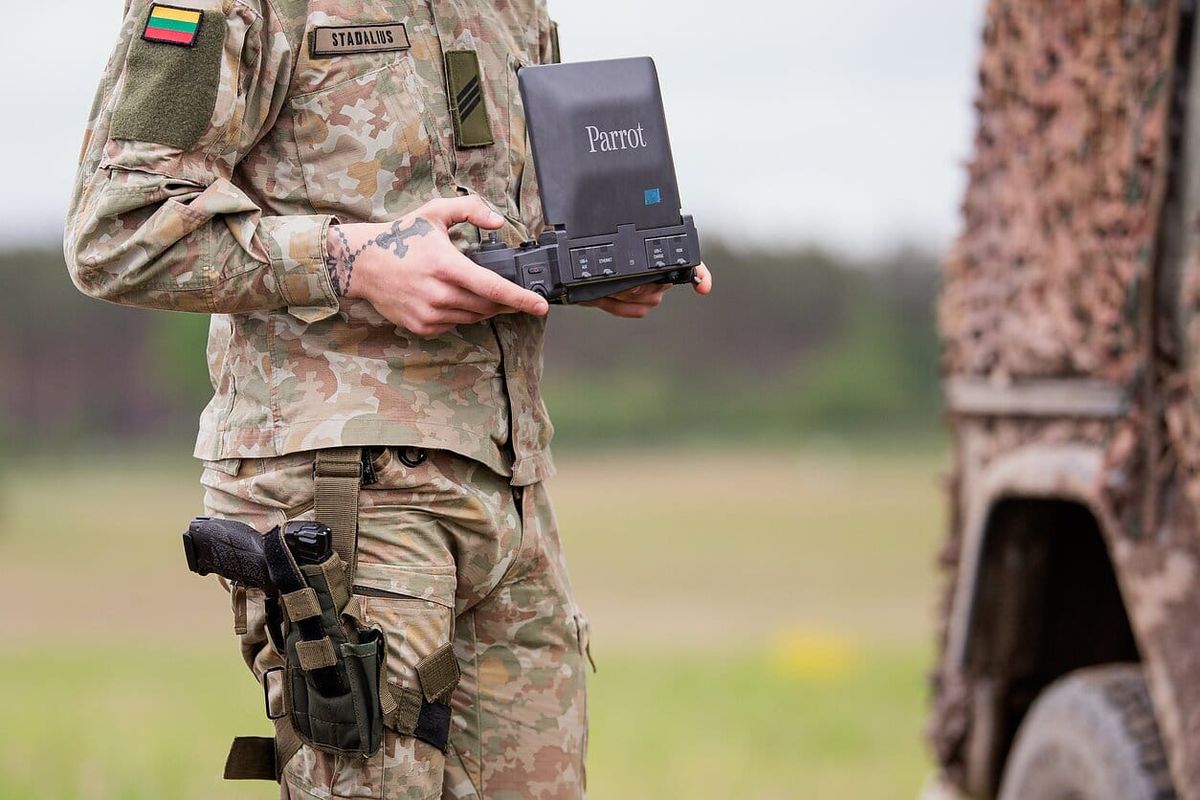
A Lithuanian initiative is encouraging residents to convert unused Android smartphones into acoustic sensors capable of detecting the sound signatures of low-flying drones.
The project, known as Drone Radar, connects participating phones to a wider monitoring network. Devices are placed near windows, connected to a power supply and operated through a dedicated application that continuously analyzes surrounding sound.
The software searches for low-frequency acoustic patterns associated with drone engines, particularly those used by Shahed-type one-way attack drones. When several devices in the same area detect a similar signal, the network can estimate the possible location and movement of the aircraft.
Project creator Audrius Zujus said the network is intended to supplement state-operated surveillance and warning systems rather than replace them. Data generated by civilian sensors could provide authorities with an additional source of information when assessing potential aerial threats.
The initiative includes a monitoring platform with an interactive map and a separate sensor application for verified volunteers. Its developers aim to connect 10,000 active participants and eventually expand the network across the Baltic states and Poland.
Around 20 specialists are currently involved in the program. The project also includes cooperation with technology and security organizations, including the Lithuanian Artificial Intelligence Association, the Baltic Institute of Technology and members of the Lithuanian Riflemen’s Union.
Future development could allow the network to process audio from privately operated surveillance cameras. The project team is also discussing potential cooperation with mobile network operators, which could enable sensors to be installed on telecommunications infrastructure.
Lithuania has already deployed acoustic sensors in areas near its border, while the Defense Ministry is considering a broader network. Acting Defense Minister Robertas Kaunas indicated that acoustic equipment could complement existing airspace surveillance, although formal state procurement procedures may delay deployment.
Acoustic detection is particularly relevant against small drones operating at low altitude. Such aircraft may be difficult to track continuously with conventional radar, while their engines produce recognizable sound patterns that can be processed by distributed sensors.
The concept has been used extensively in Ukraine, where acoustic networks support the detection of Russian one-way attack drones. Lithuania’s project applies a related approach through commercially available hardware and civilian participation.
The initiative reflects growing Baltic interest in lower-cost counter-drone technologies that can be deployed alongside military radars, electronic warfare systems and interceptor platforms.
For NATO’s eastern members, distributed acoustic networks could strengthen local warning coverage without requiring every sensor to be specialized military equipment. Their operational value, however, would depend on network density, data reliability, secure information sharing and integration with official command and warning systems.