Lockheed Martin and Rheinmetall Advance Plans for European ATACMS Missile Production
Lockheed Martin and Rheinmetall have signed an agreement to establish ATACMS missile production in Germany. The initiative would create the first manufacturing capability for the system outside the United States and expand Europe's long range precision strike industrial base.

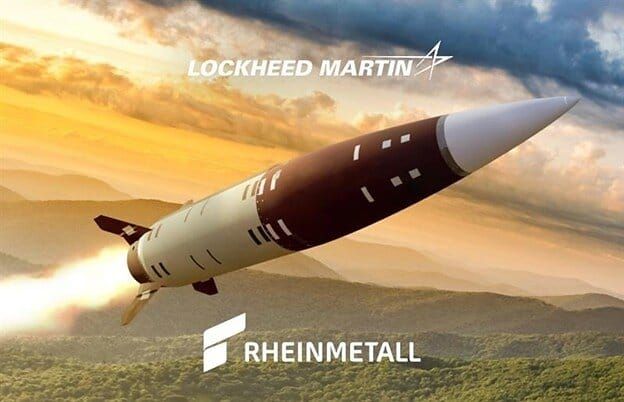
Lockheed Martin and Rheinmetall have taken the next step toward establishing a European production capability for the Army Tactical Missile System (ATACMS), signing a memorandum of understanding to develop a joint manufacturing program in Germany.
The agreement, announced during the NATO Industry Forum alongside the NATO Summit in Ankara, is supported by the U.S. and German governments. According to the companies, the initiative is intended to create a joint venture responsible for manufacturing, integrating, and distributing ATACMS missiles for NATO members and allied nations.
Production is planned at Rheinmetall's artillery facility in Unterluess, Germany. If finalized, the project would mark the first time the U.S.-designed surface-to-surface missile is manufactured outside the United States.
The partners said the program is designed to strengthen transatlantic defense industrial cooperation while increasing production capacity for precision strike weapons in Europe. The move also supports broader efforts by NATO allies to expand munitions manufacturing and improve supply resilience following increased demand driven by the war in Ukraine and other regional security challenges.
ATACMS is a combat-proven tactical ballistic missile launched from the M270 Multiple Launch Rocket System and the M142 High Mobility Artillery Rocket System. The missile provides long range precision strike capability against high value targets and remains in service with several NATO operators.
The planned production initiative reflects a wider trend of transferring selected defense manufacturing activities to Europe as allied governments seek to expand regional industrial capacity, shorten supply chains, and accelerate the delivery of critical munitions.